


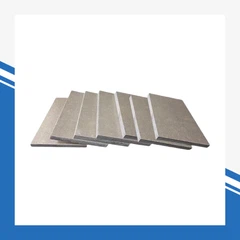


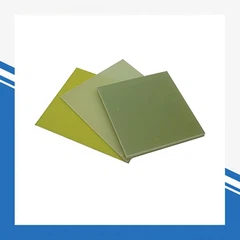




Normal Thickness:5
Tolerance:±1.4

Electrical laminate wood
Your Professional Insulation Laminated Supplier
Hangzhou Weshare Import & Export Co.,Ltd. is a leading Chinese manufacturer and exporter of transformer components, electrical insulation materials and consulting company. Weshare founded in 2005 by one specialized sales in transformer accessories. Most of our products are used in oil and dry transformers, electrical motors, generators and electronic products.Our mission is to ensure appropriate product quality while satisfying the needs of our customers is our prime objective and represents the core principle of our business activities.
-
![Electrical Laminated Wood]()
-
![Compressed and Laminated Wood]()
-
![Electrical Laminated Wood Board]()
-
![Densified Laminated Wood]()
-
![Insulation Laminated Wood]()
-
![Insulation Laminated Wood for Transformer]()
-
![Laminated Wood for Transformer]()
-
![Electrical Laminated Wood for Oil Transformer Insulation]() Electrical Laminated Wood for Oil Transformer InsulationNormal Thickness:45read more
Tolerance:±3.0 -
![Electrical Insulating Densified Wood for Transformer]()


Why Choose Us
Quality Assurance
Certified by UL, SGS, and ISO9001, Weshare upholds stringent quality standards.
Extensive Experience
Weshare, since 2005, excels in transformer accessories and electrical engineering.
Export markets
With a strong focus on export markets, we have successfully captured significant market share in East Asia, North Europe, the Middle East, South America, Egypt, and East Africa. Our dedication to ensuring appropriate product quality while meeting customer needs is the cornerstone of our business philosophy.
Product Application
Our company boasts a wide array of products used in oil and dry transformers, electrical motors, generators, and electronic devices.
Advantages of Insulation Laminated
Improved Strength and Durability
One of the key advantages of laminated materials is their improved strength and durability. The lamination process involves bonding multiple layers of materials together, resulting in a product that is stronger than its individual components. For example, laminating wood with plastic creates a composite material that combines the lightness and versatility of plastic with the robustness and durability of wood.
Enhanced Versatility
Another advantage of laminated materials is their enhanced versatility. The ability to combine different materials opens up a wide range of possibilities in terms of functionality and performance. Laminated materials can be designed to have specific characteristics tailored to meet the requirements of various applications. For instance, laminated glass, which consists of multiple layers of glass with an interlayer of polyvinyl butyral (PVB), offers superior strength and safety compared to regular glass. It is commonly used in automotive windshields and architectural applications where impact resistance is essential.
Improved Safety and Security
Laminated materials offer improved safety and security features. The lamination process can incorporate layers that enhance resistance to impact, fire, and intrusion. For example, laminated safety glass used in buildings and vehicles remains intact even when shattered, reducing the risk of injury from sharp shards. Similarly, laminated security glass, often used in high-security areas, provides increased resistance to forced entry.
Improved Insulation
Laminated materials can offer improved insulation properties, making them valuable in applications where thermal or acoustic insulation is vital. By combining layers with different thermal conductivities or sound absorption capabilities, laminated products can provide superior insulation compared to single-layer materials.
Surface Quality
|
Item |
Allowed Range |
|
Swelling |
Not Allowed |
|
Cracking |
|
|
Dead Knot |
|
|
Foreign-body Adhering |
|
|
Insect Hole |
|
|
Rot |
|
|
Contamination |
|
|
Bruising |
A few allowed, not effect in usage |
|
Impression |
|
|
Color-odds and Splash |
|
|
Patches per sq.m.on surface |
≤3 |

Products Specification
Veneer Maximum Specification: 4000x3000x120
Veneer Maximum Specification: (length x width x thickness)
Veneer Usual Specification:
3000x1500x(10-120)
2400x2000x(10-120)
Veneer Usual Specification: (length x width x thickness)
X-Shape Pressure Ring Maximum Diameter: 3000
Under laminate Insulation Laminated materials
Foam underlay
Foam underlay is a lightweight option for insulation under laminate flooring. It is available in different thicknesses, such as 5mm and 7mm, with the thicker options providing better insulation. Foam is easy to install but may not be the best choice for high-traffic areas due to its potential to compress over time.
Fibreboard underlay
Fibreboard underlay is a denser, more robust option that provides excellent support for uneven subfloors. It offers better soundproofing and thermal efficiency, especially in its 7mm form, making it suitable for homes with higher foot traffic or colder climates. However, the stiffness of the material can make installation more challenging.
Rubber underlay
Rubber underlay is known for its superior soundproofing and moisture resistance, making it ideal for rooms like kitchens or bathrooms. It is available in 5mm and 7mm thicknesses, with thicker options providing extra durability. However, it is more expensive and heavier to install than other materials.
Cork underlay
Cork underlay is a natural, eco-friendly option with excellent thermal insulation and soundproofing. Cork is naturally resistant to mould and mildew, making it an excellent choice for areas prone to moisture, such as basements. Its elastic properties also offer comfort underfoot and help reduce noise transmission. However, it may not be as durable in high-traffic areas and tends to be more expensive than foam or fibreboard.
Polyethylene underlay
Polyethylene underlay is a plastic-based material commonly used for its moisture-resistant properties. It is lightweight, easy to install, and offers decent soundproofing and thermal insulation. This material is particularly useful in areas with high humidity, such as basements or bathrooms, as it creates a vapour barrier that prevents moisture from reaching the laminate flooring. However, it may provide a different level of soundproofing or comfort underfoot than other materials.
The Role Of Insulation Laminated


Levelling the subfloor: Insulation for laminate flooring helps even out subfloor imperfections, common in older UK homes, preventing instability and creaks. By smoothing these surfaces, underlay insulation protects against future damage and extends the floor's lifespan.
Provides soundproofing: Insulation underlay for laminate flooring helps reduce noise transfer, creating a quieter living space—especially valuable in multi-storey homes and apartments.
Improves efficiency efficiency: The primary role of insulation is to improve thermal efficiency. Adding insulation under laminate flooring reduces heat loss, keeping rooms warmer for longer, especially in colder months.
Lowering heating costs: This can lower heating costs and boost energy efficiency, which is especially valuable in the UK. Choosing quality thermal insulation under laminate flooring keeps floors comfortable, even in cooler climates.
Protects against moisture: In moisture-prone areas like basements or kitchens, insulation underlay can prevent dampness from seeping through the subfloor, protecting the laminate and extending its lifespan. This is particularly useful in the UK’s variable humidity.
Provides comfort: Choosing the right laminate underlay adds cushioning for a more comfortable walking surface, especially in high-traffic areas. Thicker underlay improves thermal and sound insulation, providing a softer, more comfortable feel underfoot.
Increases the durability of your floor: Insulation under laminate reduces wear and tear on the laminate itself by providing additional support and stability. This support helps protect the laminate from pressure-related damage, such as cracks or splits, resulting from heavy furniture or foot traffic.
Applications of Insulation Laminated
Automotive Industry: Laminated glass for windshields provides improved safety by remaining intact upon impact, preventing shattering and reducing the risk of injury. Laminated materials are also used for vehicle interiors to enhance aesthetics, durability, and functionality.
Architecture and Construction: Laminated materials find extensive use in construction for applications such as safety glass, insulation panels, and decorative finishes. Laminated glass offers increased safety by resisting shattering, while laminated insulation panels improve energy efficiency and reduce noise transmission.
Packaging and Print
Laminated materials are commonly used in the packaging industry to enhance product protection, visual appeal, and shelf life. Laminated prints, such as magazine covers or promotional materials, offer improved durability and resistance to fading.
Electronics
Laminated materials are utilized in electronics to enhance functionality and durability. Printed circuit boards often consist of multiple layers of conductive and insulating materials, providing better signal integrity and protection against environmental factors.
Healthcare
Laminated materials find applications in the healthcare sector, such as medical device components, protective clothing, and wound dressings. These materials can provide enhanced functionality, safety, and hygiene in various medical settings.
FAQ
As one of the leading insulation laminated suppliers in China, we warmly welcome you to wholesale high-grade insulation laminated made in China here from our factory. All our products are with high quality and competitive price.
metal laminates, thermoplastic laminates, rigid laminate subtypes