




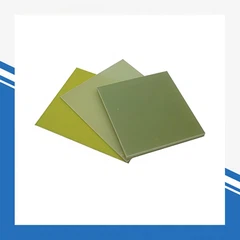



Epoxy Glass Cloth Laminated Sheet
Your Professional Epoxy Glass Cloth Laminated Sheet Supplier
Hangzhou Weshare Import & Export Co.,Ltd. is a leading Chinese manufacturer and exporter of transformer components, electrical insulation materials and consulting company. Weshare founded in 2005 by one specialized sales in transformer accessories. Most of our products are used in oil and dry transformers, electrical motors, generators and electronic products.Our mission is to ensure appropriate product quality while satisfying the needs of our customers is our prime objective and represents the core principle of our business activities.
-
![Fr4 Sheet Insulation]()
-
![G11 Epoxy Glass Laminate]() G11 Epoxy Glass LaminateWe are a professional manufacturer for B2B, please contact us to get free samples !read more
G11 Epoxy Glass LaminateWe are a professional manufacturer for B2B, please contact us to get free samples !read more -
![GPO3 Glass Polyester Laminate]() GPO3 Glass Polyester LaminateGPO3 Glass Polyester Laminate Nominal size: 1000×2000mm; 1010×2020mm; 1250×2500mmread more
GPO3 Glass Polyester LaminateGPO3 Glass Polyester Laminate Nominal size: 1000×2000mm; 1010×2020mm; 1250×2500mmread more
Nominal thickness: 0.8~60mm
Note: Special specifications can be negotiated between the supplier... -
![G10 Epoxy Sheet]() G10 Epoxy SheetDefinition: G10 Epoxy Sheet (G10 FR-4) is a rigid insulating material made of electronic grade alkali-free glass fiber cloth impregnated with epoxy resin and cured by high temperature and high...read more
G10 Epoxy SheetDefinition: G10 Epoxy Sheet (G10 FR-4) is a rigid insulating material made of electronic grade alkali-free glass fiber cloth impregnated with epoxy resin and cured by high temperature and high...read more -
![Glass Polyester Laminated Sheet]() Glass Polyester Laminated SheetHeat resistance level: long-term temperature resistance of 155℃ (F grade)read more
Glass Polyester Laminated SheetHeat resistance level: long-term temperature resistance of 155℃ (F grade)read more
Dielectric strength: ≥30kV/mm (1 minute withstand voltage test)
Density: 1.7~1.9g/cm³
Flexural... -
![FR4 Fibreglass Sheet]() FR4 Fibreglass SheetTemperature resistance level: long-term 130℃ (TG150 type can withstand 150℃)read more
FR4 Fibreglass SheetTemperature resistance level: long-term 130℃ (TG150 type can withstand 150℃)read more
Dielectric strength: ≥40kV/mm (1 minute withstand voltage test)
Thickness range: 0.2mm~3.2mm (tolerance... -
![Epoxy Glass Cloth Laminate]()
-
![Glass Polyester Laminate]()
-
![FR4 Glass Epoxy Sheet Insulation]() FR4 Glass Epoxy Sheet InsulationSuitable as the mechanical, electric and electronic insulation structural components which are used under homoeothermy and middle temperatures with a certain mechanical performance and electric...read more
FR4 Glass Epoxy Sheet InsulationSuitable as the mechanical, electric and electronic insulation structural components which are used under homoeothermy and middle temperatures with a certain mechanical performance and electric...read more -
![Fr4 Laminated Fiberglass Insulation]() Fr4 Laminated Fiberglass InsulationG10: Flame retardant grade UL94V2, the electrical performance is still very good in dry and wet states, making it a good choice for high-end electrical insulation parts.read more
Fr4 Laminated Fiberglass InsulationG10: Flame retardant grade UL94V2, the electrical performance is still very good in dry and wet states, making it a good choice for high-end electrical insulation parts.read more -
![Fr4 Laminated Fiberglass Sheets]() Fr4 Laminated Fiberglass SheetsFr4 Laminated Fiberglass Sheets is a rigid insulating material made of electronic grade alkali-free glass fiber cloth impregnated with epoxy resin and cured by high temperature and high pressure...read more
Fr4 Laminated Fiberglass SheetsFr4 Laminated Fiberglass Sheets is a rigid insulating material made of electronic grade alkali-free glass fiber cloth impregnated with epoxy resin and cured by high temperature and high pressure...read more -
![Insulation FR4 Sheet]()


Why Choose Us
Quality Assurance
Certified by UL, SGS, and ISO9001, Weshare upholds stringent quality standards.
Extensive Experience
Weshare, since 2005, excels in transformer accessories and electrical engineering.
Export markets
With a strong focus on export markets, we have successfully captured significant market share in East Asia, North Europe, the Middle East, South America, Egypt, and East Africa. Our dedication to ensuring appropriate product quality while meeting customer needs is the cornerstone of our business philosophy.
Product Application
Our company boasts a wide array of products used in oil and dry transformers, electrical motors, generators, and electronic devices.
Product Description
|
Name |
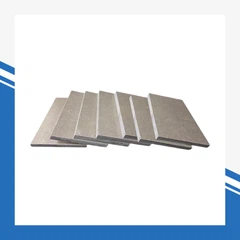
FR4 Epoxy Fiberglass Laminate Sheet |
|
Base Material |
Epoxy Resin + Fiber Glass |
|
Color |
Green\Yellow\Red\Black\White,etc Color can be customized according to customer requirements |
|
Thickness |
0.1mm – 300mm More than 300mm can be produced according to product requirements |
|
Dimensions |
Regular size are 1020x1220mm,1020x2040mm,1220x2440mm; Special size, we can produce and cut according to customer's requirements. |
|
Density |
1.97g/cm3 – 2.2 g/cm3 |
|
OEM |
Accepted |
Advantages of Epoxy Glass Cloth Laminated Sheet

Electrical Insulation Properties
Epoxy glass fabric laminated sheets offer exceptional electrical insulation properties. They have a high dielectric strength, which means they can withstand high voltages without breakdown. This property ensures the safety and reliability of electrical and electronic systems.

Thermal Stability
With their ability to withstand high temperatures, epoxy glass fabric laminated sheets provide reliable thermal insulation. They can operate in environments with elevated temperatures without any significant degradation in their electrical or mechanical properties.

Mechanical Strength
These laminated sheets possess excellent mechanical strength, allowing them to withstand mechanical stress and vibrations. This makes them highly durable and suitable for applications that require robust materials.
Specification
|
Properties |
Unit |
Value |
|
Flexural strength perpendicular to laminations-under normal room temperature |
Mpa |
≥340 |
|
Impact strength parallel to lamination |
KJ/m2 |
≥35 |
|
Dielectric strength perprndicular to laminatioins(in oil 90±2ºC),1.0mm in thickness |
MV/m |
≥14.2 |
|
Breakdown voltage parellel to laminations (in oil 90±2ºC) |
KV |
≥40 |
|
Water absorption rate 1.6mm in thickness |
mg |
≤19 |
|
Insulation resistrence Impregnated in water |
Ω |
≥5.0x10⁸ |
|
Density |
g/cm3 |
1.70-1.90 |
Types of Epoxy Glass Cloth Laminated Sheet
G10 Epoxy Laminate Sheet
The G10 epoxy glass cloth laminate sheet is one of the most durable and versatile structural materials available. Built from a unique mix of glass fabric and epoxy resin, it produces a material that's tough, lightweight, and extremely resistant to moisture and chemicals. Hence, it is widely used in the production of machine and industrial component housings, as well as in the marine and electrical sectors.
Cotton Cloth-and-Epoxy Laminates
As a member of the paper-and-cloth family, XET-1 epoxy glass cloth laminate sheets are known for their balance between strength and flexibility. While cotton cloth provides some level of flexibility, the laminate retains a shape that allows it to be used in intricate detailing and shaping components.
FR-4 and G-10 Epoxy Laminates
The FR-4 and G-10 epoxy cloth and resin laminate sheets possess multiple similarities, while FR-4 is rated for flame resistance by Underwriters Laboratories (UL). Both of them are hardwearing and moisture-retardant and are commonly used in electrical appliances, circuit boards, and mechanical structures in a variety of industries.
Phenolic Laminates Featuring GPO-3 and GPO-1
GPO-3 and GPO-1 phenolic laminate sheets are uniquely constructed with glass fibers and phenolic resin, making them ideal for electrical insulation. Compared to GPO-1, which uses E-glass for its structure, GPO-3 incorporates high-performance glass fabrics for greater strength and insulation qualities.
Industrial Laminates with GPO-1
GPO-1 phenolic laminate sheets have remarkable durability and insulation properties. These industrial-grade sheets are ideal for use in electrical and mechanical applications, such as insulated supports and base plates in electrical equipment. Their outstanding chemical and moisture resistance makes them a long-lasting choice in extreme working conditions.
Applications of Epoxy Glass Cloth Laminated Sheet

Electrical Insulation
One of the primary applications of epoxy glass fabric laminated sheets is electrical insulation. They are widely used as insulation barriers in electrical machinery, switchgears, and transformers. These sheets provide reliable insulation, preventing the flow of electric current and protecting the equipment from short circuits.
Printed Circuit Boards
Epoxy glass fabric laminated sheets find extensive use in the manufacturing of printed circuit boards (PCBs). They serve as the substrate material on which electronic components are mounted. The excellent electrical insulation properties of these sheets help in preventing short circuits and ensuring the smooth functioning of electronic devices.


Transformers and Electrical Equipment
Epoxy glass fabric laminated sheets are also used in the construction of transformers and other electrical equipment. They provide insulation between different windings and ensure the efficient transfer of electricity. The thermal stability of these sheets allows them to withstand the high temperatures generated in transformers during operation.
Aerospace Industry
In the aerospace industry, epoxy glass fabric laminated sheets are utilized for various applications. They are used in the construction of aircraft panels, control systems, and insulation for electrical components. The lightweight nature of these sheets, combined with their excellent electrical properties, makes them an ideal choice for aerospace applications.

Production process of Epoxy Glass Cloth Laminated Sheet
Preparation of Materials
The lamination process begins with meticulous preparation of the raw materials. Glass fiber fabrics are cut to the required dimensions and carefully inspected for any defects or irregularities. The epoxy resin is mixed with appropriate hardeners and catalysts to achieve the desired curing characteristics. This step is crucial as it directly influences the final properties of the laminate. The mixing ratios and conditions must be precisely controlled to ensure consistent quality. Additionally, release agents are applied to the molds or forming surfaces to facilitate easy removal of the finished product.
Layup and Resin Impregnation
Once the materials are prepared, the layup process commences. Layers of glass fiber fabric are carefully arranged in the mold or on a flat surface, following a predetermined stacking sequence. This sequence can be optimized to achieve specific directional properties in the final product. As each layer is placed, epoxy resin is applied, ensuring thorough impregnation of the fibers. This step requires skill and precision to eliminate air pockets and ensure uniform distribution of resin throughout the laminate. Various techniques such as hand layup, spray-up, or resin infusion may be employed depending on the scale of production and desired quality.
Curing and Post-Processing
After the layup is complete, the assembly is subjected to a curing process. This involves applying heat and pressure to initiate and accelerate the chemical reactions within the epoxy resin. The curing parameters, including temperature, pressure, and duration, are carefully controlled to achieve optimal cross-linking of the polymer chains. This step is critical in determining the final mechanical and thermal properties of the epoxy glass fiber sheet. Following curing, the laminate undergoes post-processing steps such as trimming, sanding, or machining to achieve the desired final dimensions and surface finish. Quality control inspections are conducted throughout the process to ensure adherence to specifications and identify any defects.
FAQ
As one of the leading epoxy glass cloth laminated sheet suppliers in China, we warmly welcome you to wholesale high-grade epoxy glass cloth laminated sheet made in China here from our factory. All our products are with high quality and competitive price.