

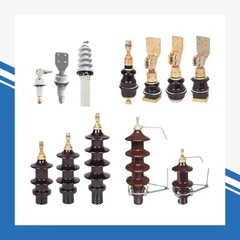
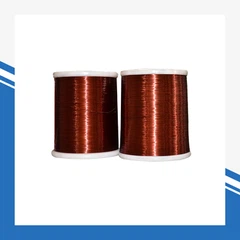

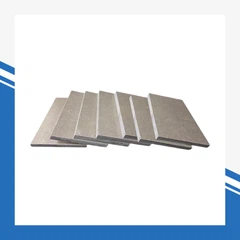
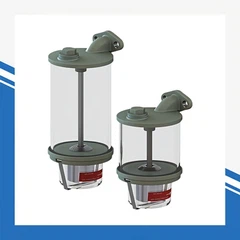




Transformer Bushing Insulator
Your Professional Transformer Bushing Insulator Supplier
Hangzhou Weshare Import & Export Co.,Ltd. is a leading Chinese manufacturer and exporter of transformer components, electrical insulation materials and consulting company. Weshare founded in 2005 by one specialized sales in transformer accessories. Most of our products are used in oil and dry transformers, electrical motors, generators and electronic products.Our mission is to ensure appropriate product quality while satisfying the needs of our customers is our prime objective and represents the core principle of our business activities.
-
![Transformer Bushing]()
-
![Transformer Porcelain Insulator]()
-
![Oil Transformers Bushing Insulator]()
-
![Glazed Porcelain Insulator]()
-
![Porcelain Shackle Insulators]()
-
![Electrical Porcelain Shackle Insulator]()
-
![Pin Type Porcelain Insulator]()
-
![Brown Insulated Porcelain insulator]()
-
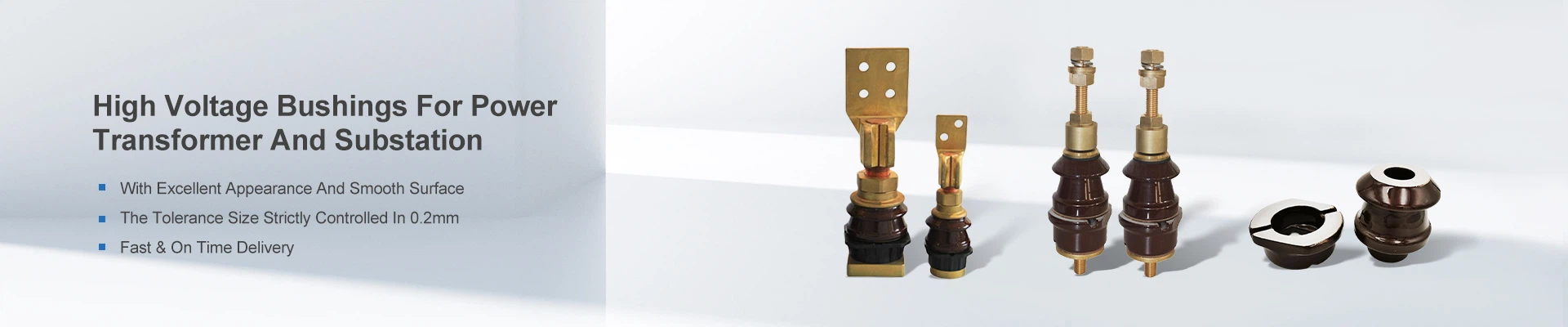
![High Voltage Bushing of Transformer]() High Voltage Bushing of TransformerThe conventional models we provide: 1KV/250A, 1kv/620A, 1kv/1000A, 1kv/2000A, 1kv/3150A, 1kv/4000A 10NF250, 20NF250, 30NF250, XP70, etc.read more
High Voltage Bushing of TransformerThe conventional models we provide: 1KV/250A, 1kv/620A, 1kv/1000A, 1kv/2000A, 1kv/3150A, 1kv/4000A 10NF250, 20NF250, 30NF250, XP70, etc.read more -
![Insulation Porcelain Bushing]()
-
![Porcelain Bushing]()
-
![Pin Insulator]()


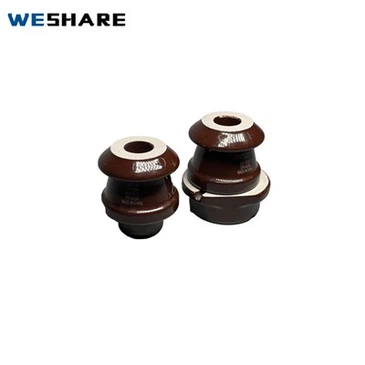


Why Choose Us
Quality Assurance
Certified by UL, SGS, and ISO9001, Weshare upholds stringent quality standards.
Extensive Experience
Weshare, since 2005, excels in transformer accessories and electrical engineering.
Export markets
With a strong focus on export markets, we have successfully captured significant market share in East Asia, North Europe, the Middle East, South America, Egypt, and East Africa. Our dedication to ensuring appropriate product quality while meeting customer needs is the cornerstone of our business philosophy.
Product Application
Our company boasts a wide array of products used in oil and dry transformers, electrical motors, generators, and electronic devices.
Product Description
|
Rated voltage |
From 12 kV up to 52 kV |
|
Maximum rated current |
From 250 A up to 3150 A |
|
Nominal creepage distance |
From 290 mm up to 1655 mm |
|
Antipollution level |
From P1 up to P4 |
|
Standard reference |
EN 50180, EN 50243 (formerly DIN 42531/-2/-3/-4 & 42541) |
|
Rod design |
Rigid stem / Split conductor / Drawlead |
|
Rod material |
Brass & Copper |
|
Insulating body material |
Porcelain |
|
Special surface treatment |
Tinplating / Silverplating |
|
Miscellaneous |
Multiple copper rod customizations, multiple connection styles |
Advantages of Transformer Bushing Insulator
Explosion-Free Operation: Solid-construction, non-oil designs eliminate the risk of explosive shattering or failure associated with traditional oil-filled or porcelain bushings.
No Oil Leakage: Bushings that use resin impregnation (RIP) or other dry technologies eliminate oil leakage, reducing fire hazards and environmental risks.
Enhanced Reliability: Advanced insulation and robust construction, especially with silicone composite materials, improve durability and prevent premature failure from moisture, thermal stress, and external factors.
Optimized Electrical Performance
Internal features like fine-graded capacitive insulation distribute electrical fields more effectively, reducing partial discharge and extending the bushing's lifespan.
Superior Thermal Management
The outer silicone rubber layer in composite bushings helps to dissipate heat, ensuring consistent operation under high loads and minimizing overheating.
Increased Creepage Distance
Composite designs can offer a greater creepage distance within a similar or smaller footprint, improving performance in polluted environments and reducing flashover risk.
Improved Mechanical Strength
Composite and solid-construction bushings are designed to withstand high mechanical and thermal stresses, ensuring reliability in demanding applications.
Function Of Transformer Bushing Insulator
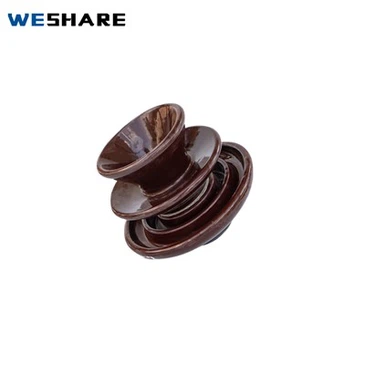
Insulation
Bushings serve as insulation for the electrical components of transformers. They isolate high-voltage windings (e.g., the high-voltage side) from ground or low-voltage windings, preventing electrical shock and arc faults and ensuring the safety and reliability of electrical power transmission.
Conduction
Bushings typically have conductive components used to connect transformer windings to external electrical systems. They transfer current from the transformer winding to other electrical equipment, such as switchgear or power lines, through wires or connectors at the top of the bushing.

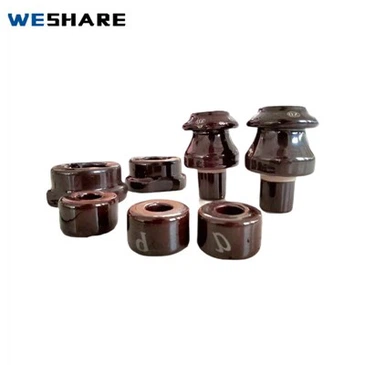
Monitoring and Maintenance
Bushings often include equipment for monitoring and maintaining the transformer's condition. These devices help detect the transformer's operational status and identify potential faults or insulation issues in advance.
Protection and Sealing
Bushings also serve to protect the electrical components inside the transformer from contamination and damage by the external environment. They typically offer dust-proof and sealing capabilities, ensuring that the transformer's internal insulating oil or dry insulation system remains uncontaminated.

Transformer Bushing Insulator Material And Classifications
Material: Porcelain is a traditional and widely used material for transformer bushings. It offers good electrical insulation properties and is resistant to environmental factors.
Classifications: Porcelain bushings are often classified based on their design and application, such as solid-core porcelain bushings, oil-impregnated porcelain bushings, and condenser-type bushings.
Material: Composite materials, often based on polymers or silicone rubber, are used to make bushings. These materials provide advantages such as lighter weight, resistance to pollution, and flexibility.
Classifications: Composite bushings may include categories like cycloaliphatic epoxy resin bushings or silicone rubber bushings. They are often classified based on their construction and insulating properties.
Material: Bushings designed to be immersed in transformer oil are typically made of materials like porcelain or composite, with the oil providing additional insulation and cooling.
Classifications: Oil-filled bushings can be further classified based on their design and construction, such as cap-and-rod type, radial-fin type, or other configurations.
Material: Dry-type bushings are often made with a solid insulating material, such as epoxy resin, and are not immersed in oil.
Classifications: Depending on the design and application, dry-type bushings can be categorized into various types, including capacitance-graded, capacitance-graded with a condenser core, or other configurations.
Material: These bushings are designed with a condenser core to improve the capacitance grading and voltage distribution.
Classifications: Capacitor bushings are classified based on factors like the presence of a condenser core, which enhances their performance.
Difference Between Bushings And Insulators
Bushings
Function: Bushings serve as a combination of electrical insulators and mechanical supports for conductors passing through barriers, such as transformer tanks. They prevent electrical breakdown, support the conductors, and seal the transformer from environmental contaminants.
Design: Bushings can be oil-filled or dry-type and are designed to provide insulation and support for the conductors while ensuring a sealed environment. They often have seals and gaskets to prevent oil leakage and maintain the integrity of the insulating oil.
Applications: Bushings are commonly used in transformers, circuit breakers, and other high-voltage equipment where electrical conductors need to pass through insulating barriers.
Insulators
Function: The primary function of insulators is to provide electrical insulation and prevent the flow of electric current between two conductive parts with different potentials. They are used to support and separate electrical conductors, preventing unintended electrical contact or short circuits.
Design: Insulators are typically made of materials with high electrical resistance, such as ceramics, glass, or polymer composites. These materials are chosen for their ability to resist the flow of electricity.
Applications: Insulators are used in various parts of electrical systems, including overhead power lines, insulator strings on transmission towers, and insulating supports for electrical components.
Packing & Delivery
FAQ
As one of the leading transformer bushing insulator suppliers in China, we warmly welcome you to wholesale high-grade transformer bushing insulator made in China here from our factory. All our products are with high quality and competitive price.
steering wheel insulation sleeve, , thin insulation paper