


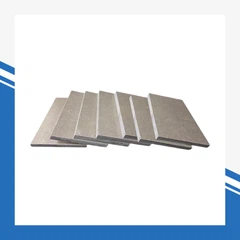


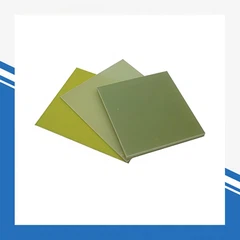



model:3840
Density:1.30-1.40 g/cm³

Insulation Molded Rod
Your Professional Insulation Molded Rod Supplier
Hangzhou Weshare Import & Export Co.,Ltd. is a leading Chinese manufacturer and exporter of transformer components, electrical insulation materials and consulting company. Weshare founded in 2005 by one specialized sales in transformer accessories. Most of our products are used in oil and dry transformers, electrical motors, generators and electronic products.Our mission is to ensure appropriate product quality while satisfying the needs of our customers is our prime objective and represents the core principle of our business activities.


Why Choose Us
Quality Assurance
Certified by UL, SGS, and ISO9001, Weshare upholds stringent quality standards.
Extensive Experience
Weshare, since 2005, excels in transformer accessories and electrical engineering.
Export markets
With a strong focus on export markets, we have successfully captured significant market share in East Asia, North Europe, the Middle East, South America, Egypt, and East Africa. Our dedication to ensuring appropriate product quality while meeting customer needs is the cornerstone of our business philosophy.
Product Application
Our company boasts a wide array of products used in oil and dry transformers, electrical motors, generators, and electronic devices.

Advantages of Insulation Molded Rod
High Dielectric Strength
Molded insulation rods, particularly those made from Bakelite (a type of phenolic resin), boast high dielectric strength, enabling them to resist the flow of electricity even at high voltages. This is critical in applications like transformers, switchboards, and circuit breakers, where preventing short circuits and electrical failures is paramount.
Safety
By containing electrical flow and preventing current leakage, insulation rods enhance safety for both personnel working with electrical systems and the overall operation of equipment.
Withstands Extreme Conditions
Molded insulation rods maintain their dielectric strength and structural integrity even under high temperatures and voltage surges, making them suitable for demanding environments like power generation and motor systems.
High-Temperature Endurance
Many insulation molded rods, especially those made from phenolic resins, can withstand significant temperatures without deforming or losing their insulation properties. Bakelite rods, for instance, can endure temperatures up to 250°C without deformation.
Prevents Insulation Breakdown
In high-heat industrial settings like motors and transformers, heat-resistant molded insulation rods help prevent insulation breakdown, minimizing the risk of electrical fires or system malfunctions.
Product Paramenters
|
Chinese Name |
3725 |
3840 |
3850 |
3851 |
850 |
|
|
IEC |
PFCC41 |
EPGC41 |
BMIGC41 |
- |
SIGC41 |
|
|
NEMA |
- |
- |
- |
- |
- |
|
|
Base Material |
Cotto n Cloth |
Glass Fiber Cloth |
||||
|
Resin |
Phenolic |
Epoxy |
Polyamide Imide |
Diphenyl Ether |
Organosil icone |
|
|
Color |
Coffee |
Yellow |
Dark Brow n |
Dark Brown |
White |
|
|
Properties |
Unit |
Value |
||||
|
Density |
g/m3 |
1.2-1.3 |
1.7-1.8 |
1.7-1.8 |
1.7-1.8 |
1.6-1.75 |
|
Vertical Bending Strength (normal) |
MPa |
≥125 |
≥220 |
≥220 |
≥220 |
≥220 |
|
Axial Compressive Strength |
MPa |
≥90 |
≥175 |
≥175 |
≥175 |
>175 |
|
Parallel Breakdown Voltage (90 °C transformer oil) |
Kv |
≥10 |
≥40 |
≥40 |
≥40 |
>≥10 |
|
Insulation Resista nee after Soaki ng |
MQ |
≥5 |
≥1000 |
≥1000 |
≥1000 |
≥1000 |
|
Dielectric Loss Factor (50Hz) |
- |
≤0.03 |
≤0.03 |
≤0.03 |
≤0.03 |
≤0.03 |
|
Water Absorpti on |
mg/cm2 |
≤5 |
≤3 |
≤3 |
≤3 |
≤3 |
|
Temperature Index |
- |
120 |
155 |
180 |
180 |
180 |
Material Composition of Insulation Molded Rod

Polymer-Based Insulating Rods
Polymer-based insulating rods are widely utilized due to their superior electrical insulation properties and adaptability. These rods are typically manufactured using thermosetting or thermoplastic polymers, which offer excellent resistance to electrical breakdown and environmental factors.

Ceramic Insulating Rods
Ceramic insulating rods offer exceptional heat resistance and electrical insulation properties, making them ideal for high-temperature applications. These rods are composed of materials such as alumina, steatite, or porcelain, which exhibit low electrical conductivity and high dielectric strength.

Composite Insulating Rods
Composite insulating rods combine the advantages of multiple materials to achieve enhanced performance characteristics. These rods typically consist of a reinforcing fiber, such as fiberglass or carbon fiber, embedded in a polymer matrix. The resulting composite material offers superior mechanical strength, lightweight properties, and excellent electrical insulation.
Structural Classifications of Insulation Molded Rod
Solid Core Insulating Rods
Solid core insulating rods are characterized by their uniform composition throughout the entire cross-section. These rods are typically made from a single material, such as epoxy resin or silicone rubber, and offer consistent electrical and mechanical properties. Solid core rods are valued for their simplicity and reliability in applications where high insulation strength is required.
Hollow Core Insulating Rods
Hollow core insulating rods feature a central cavity running through their length, offering a unique combination of lightweight design and insulation properties. These rods are often manufactured using advanced extrusion or pultrusion processes, allowing for precise control of the wall thickness and cavity dimensions. The hollow structure provides several advantages, including reduced weight, improved heat dissipation, and the potential for additional functionality.
Multi-Layer Insulating Rods
Multi-layer insulating rods incorporate multiple materials or layers to achieve specific performance characteristics. These rods are designed with a core material surrounded by one or more insulating layers, each contributing to the overall insulation and mechanical properties. The layered structure allows for the optimization of different aspects, such as electrical resistance, mechanical strength, and environmental protection.
Precautions When Using Insulation Molded Rod
Always operate in open outdoor areas and ensure there are no flammable or explosive items nearby.
Wear insulating shoes and gloves to prevent electric shock accidents.
Properly dispose of insulating rods and avoid discarding them in the air or water to protect the environment.
Familiarize yourself with the structure, principles, and operating methods of insulating rods.
Avoid using the rods in windy conditions to ensure effective operation.
Clean the work area promptly after operations to prevent any safety hazards caused by leftover items or tools.
Regularly inspect the appearance of the rod, ensuring a smooth surface without scratches or cracks. The hollow tube should have a plugging head at the fracture, and the joints should be firmly connected without loosening or falling off.
Check the date of the power frequency withstand voltage test for the insulating rod, and conduct regular tests in accordance with the electrical industry safety work regulations. Do not use the rod beyond the specified test period, and strictly follow the principle of testing before usage.

Application of Insulation Molded Rod
01/
Shipbuilding
In order to achieve lightweighting of automobiles, effectively reduce costs and fuel consumption rates, major automobile companies generally adopt optimization design methods to design cars, making the materials used for large car coverings thinner and thinner.
02/
Steel smelting
In order to achieve lightweighting of automobiles, effectively reduce costs and fuel consumption rates, major automobile companies generally adopt optimization design methods to design cars, making the materials used for large car coverings thinner and thinner.
03/
Aerospace
Lightweight structural supports, antennas, and control surfaces in aircraft and spacecraft components.
04/
Automotive
Thermal insulation and structural support in various vehicle components, including body panels, spoilers, bumper reinforcements, and aerodynamic components.
05/
Sports Equipment
High-performance equipment like fishing rods, golf clubs, hockey sticks, archery bows, and tent poles.
06/
Oil and Gas
Upstream structures used in exploration and production, midstream companies as they move oil and gas to refineries, and downstream clients for insulation work that reduces downtime, ensures safety and energy efficiency.
FAQ
As one of the leading insulation molded rod suppliers in China, we warmly welcome you to wholesale high-grade insulation molded rod made in China here from our factory. All our products are with high quality and competitive price.