


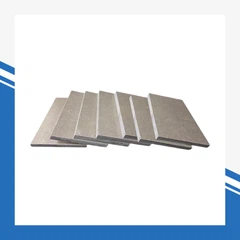





Thickness:0.17mm
stretch strength:90N/10mm

Insulation Paper
-
![NHN Insulation Paper]()
-
![NHN Insulation Paper for motor]() NHN Insulation Paper for motorProfessional manufacturer of insulation paperread more
NHN Insulation Paper for motorProfessional manufacturer of insulation paperread more
Thickness:0.15mm
stretch strength:120N/10mm Width -
![Insulating Paper for motor]() Insulating Paper for motorWe are a professional manufacturer of insulation materials, support ODM/OEM, please contact us to get free samples!read more
Insulating Paper for motorWe are a professional manufacturer of insulation materials, support ODM/OEM, please contact us to get free samples!read more -
![DMD Insulation Paper For Transformer]() DMD Insulation Paper For TransformerDMD Insulation Paper is a flexible composite insulation materialread more
DMD Insulation Paper For TransformerDMD Insulation Paper is a flexible composite insulation materialread more
Breakdown voltage: 6-18kv
stretch strength:130 N/10mm -
![Flexible Insulation Paper PMP]() Flexible Insulation Paper PMPPMP Insulation Paper is a three-layer flexible composite insulation materiaread more
Flexible Insulation Paper PMPPMP Insulation Paper is a three-layer flexible composite insulation materiaread more
Nominal thickness:0.05mm -
![Insulation Fish Paper For Motor]() Insulation Fish Paper For MotorThickness range: 0.1mm to 1.5mmread more
Insulation Fish Paper For MotorThickness range: 0.1mm to 1.5mmread more
Fish Paper is a material made of high-density insulating fiber paper -
![Insulation Oil Duct Strip For Motor]() Insulation Oil Duct Strip For MotorInsulation Oil Duct Strip For Motor is an insulating component used to support the internal oil channel structure of the transformerread more
Insulation Oil Duct Strip For MotorInsulation Oil Duct Strip For Motor is an insulating component used to support the internal oil channel structure of the transformerread more -
![Insulating Aramid Paper]()
-
![Aramid Paper For Cable]() Aramid Paper For CableAramid paper is mainly made of aramid fiber (Aramid fiber) processed into a paper-like structure through a specific process. The most famous brand is DuPont's Nomex®.read more
Aramid Paper For CableAramid paper is mainly made of aramid fiber (Aramid fiber) processed into a paper-like structure through a specific process. The most famous brand is DuPont's Nomex®.read more -
![Insulated Aramid Paper]() Insulated Aramid PaperLow dielectric loss: Improves device energy efficiencyread more
Insulated Aramid PaperLow dielectric loss: Improves device energy efficiencyread more
can adapt to high temperature environments and ensure long-term stable operation of the equipment -
![Aramid Paper For Motor]() Aramid Paper For MotorType:aramid paperread more
Aramid Paper For MotorType:aramid paperread more
We offer a full range of insulation materials for oil immersed transformers. -
![Aramid Paper For Transformer]()


Why Transformer Insulation Matters?
Transformer insulation paper is not just a material — it is a critical part of the insulation system that:
● Ensures high dielectric strength between windings and core
● Maintains thermal stability under load/temperature cycling
● Works with oil to prevent partial discharge and breakdown
● Affects transformer service life & reliability

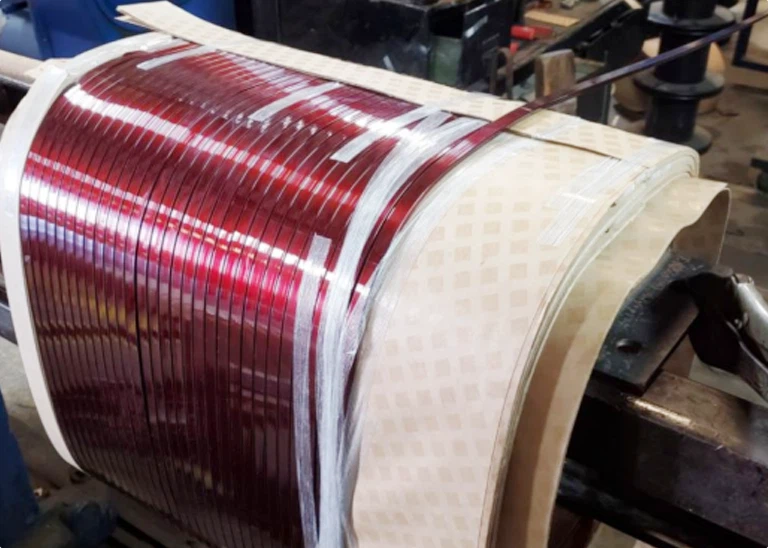
Insulation Paper Product Range
AHA Insulation paper

AMA Insulation paper

DDP Insulation paper

DMD insulation paper

Electrical insulating paper

Epoxy prepreg DMD

Insulating crepe paper

Insulation crepe paper tube

Insulation fish paper

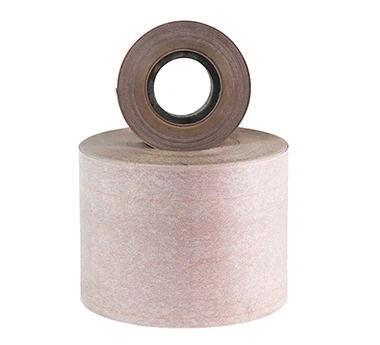
NHN insulation paper

NMN insulation paper

Oil duct strips
Performance Ranges & Selection Logic
Transformer insulation paper performance varies by material type, thickness and application area.
Instead of one fixed value, engineers evaluate insulation paper based on performance ranges and system matching.
Key performance dimensions include:
Dielectric Strength
Depends on paper grade, thickness and oil impregnation condition
Thermal Endurance Class
Available for Class A / E / B / F applications depending on material selection
Oil Compatibility
Designed for stable oil absorption and low gas generation in oil-immersed systems
Moisture Control
Controlled moisture absorption to maintain dielectric stability during operation
Dimensional Consistency
Thickness tolerance and surface uniformity ensured by process control
Our engineers recommend suitable grades based on transformer design drawings and operating conditions.

Insulation System Integration
Insulation Paper in the Transformer Insulation System
Transformer insulation system consists of:
Insulation Paper
Pressboard / Composite materials
Slot liners / Wedges
End-turn insulation
Barrier insulation
Choosing the right combination ensures:
Optimal dielectric field distribution
Low partial discharge risk
Long operating life

Why Transformer OEMs & EPC Projects Choose Our Insulation Paper?
● Wide range of thickness & material types ● High dielectric & thermal performance ● Excellent oil absorption & compatibility
● IEC / ASTM / International standards support ● Customizable based on drawings & specs ● Stable batch supply for project delivery
● Engineering support & documentation

Our Quality Control & Production Flow
● Incoming Raw Material Inspection ● Thickness & Dielectric Tests
● Oil Compatibility & Absorption Test ● Thermal Aging & Dimensional Stability ● Batch Final Inspection & Traceabilit
About Weshare
Who are we?
Weshare is a professional manufacturing vendor with 20 vears of experience. Weshare is a leading Chinese manufacturer and exporter of transformer components, electrical insulation materials and consulting company.
Why should you buy from us not from other suppliers?
- We have vertical setup,so we can ensure price, quality and leadtime.
- We are manufacturing vendor and we invest 12% profit into R&D.
- We can make Time and Action Calendar 1 day after PO.
- We can give out CAP with 12 hours.
- We supply wide range of transformer components and insulation materials.
- We have a team with 20 years of experience to serve our customers.


Electrical Insulation Paper

Insulation Crepe Paper
Composite Insulation Paper

Insulation Pressboard
Our Partner
The products are exported to East of Asia, North of Europe ,The Mid East, South of American, Egypt and East of Africa,and are matched by more than
600 domestic transformer and transformer manufacturers, and are well received by users at home and abroad








Product

Electrical insulation paper
Electrical insulation paper is an electrical insulation material made by adding an insulating coating to paper pulp. It has good insulation properties, mechanical strength, and temperature resistance. Paper insulation material is a thin sheet-like insulating material made of plant fibers, mineral fibers, synthetic fibers, and mixtures as raw materials, and the fibers are deposited on a paper machine through a medium
Electrical insulation paper advantages
Protection from shocks::
Electrical insulation paper protects you from shocks and other electrical conductivity
Reduced risk of short circuits:
Electrical insulation paper helps ensure equipment functions safely and reliably by reducing the risk of short circuits and leakage
Resistant to extreme temperatures:
Some electrical insulation paper can withstand temperatures up to 3,000°F (1,600°C)
Chemical resistant:
Some electrical insulation paper can resist hostile environments and corrosive substances
Process of electrical insulation paper

01
Pulp preparation
First, the raw wood is processed to peel off impurities such as bark, branches, and leaves, and then the wood is cut into small pieces and put into the processing machine. After a series of processes such as beating and screening, the pulp is obtained.

02
Pulp conditioning
Send the pulp into a large vat for stirring, and control the humidity, PH value, screening, and other parameters of the pulp to make the pulp quality more stable.

03
Mechanical sizing
The pulp is made into paper form through mechanical devices such as gauze and rollers, and glue is added during the production process to make the surface of the insulating paper have better flatness and mechanical strength.

04
Drying processing
Send paper with high humidity into a high-temperature drying chamber for dehydration and drying processing to control the moisture content of the paper within a reasonable range and avoid deformation and damage of the paper due to excessive moisture.

05
Reeling and packaging
The insulating paper will be rolled, cut and other processes, then packaged and stored for use.
Application

Insulation Crepe Paper
Electrical Grade Insulation Crepe is a type of insulating paper, which is reprocessed from cable paper made of sulfate pulp. It has very good electrical properties in oil, showing a high average breakdown voltage and a small tangent value of the dielectric loss angle. Crepe paper is mainly used for wrapping the outgoing wires of transformers.

Electrical Insulating Crepe Paper Tube
The crepe paper tube is crafted from imported Miki crepe paper, and primarily serving as flexible crepe paper bushings for high-voltage and low-voltage taps within the body of oil-immersed transformers, as well as for the external insulation of screw connections. It exhibits remarkable flexibility, ensuring it does not break even when bent in any direction.

Composite Insulation Paper
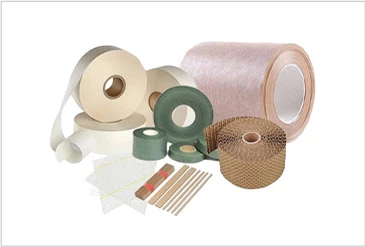
The main products include 6520 green composite insulating paper, 6630DMD insulating paper, 6641DMD insulating paper, 6640NMN insulating paper,6650NHN insulation paper and other flexible insulation papers

DDP Application

Insulation Pressboard
nsulation pressboard is produced from pure unbleached cellulose taken from long-fibered coniferous wood and manufactured by Weshare. Due to the high chemical purity, mechanical strength, and optimum oil impregnability, the pressboard is primarily used in oil-filled power transformers and distribution transformers and is suited as an insulation material for electric machines and capacitors.

Insulation paper insulation aging form
During the use of insulating paper, under the long-term influence of external environmental factors, a series of chemical and physical changes will occur, resulting in a gradual decrease in mechanical and electrical properties. This process is called insulation aging of insulating paper. The main forms of insulation aging of insulating paper are: Electrical aging, thermal aging, mechanical aging, moisture-induced aging, etc.
Electrical aging
Electrical aging is an inevitable form of aging for all high-voltage equipment. The insulating paper used in transformers is bound to be affected by electrical aging. In the oil-paper structure, the pores between the fibers of the insulating paper are impregnated with oil, but during the manufacturing process, the internal There will be more or less air gap defects at micro scale or even macro scale. When the external electric field reaches the initial discharge voltage of the air gap, partial discharge will occur, destroying the structure of the insulating paper and gradually reducing its insulation performance.
Heat aging
High-voltage equipment will generate a certain amount of heat during operation. At such higher temperatures, the insulating paper will undergo chemical reactions such as thermal cracking and oxidative cracking, resulting in a decrease in its mechanical and electrical properties.
Mechanical aging
The mechanical stress on insulating paper comes from mechanical forces, temperature changes, electric field forces, etc. When the insulating paper is subjected to mechanical stress, its mechanical properties will be irreversibly reduced until cracks or air gaps occur, leading to partial discharge. This phenomenon is called mechanical aging. During the production and operation of transformers, insulating paper will be subjected to various stresses at the same time, so the mechanical aging of insulating paper is an aspect of insulation aging that cannot be ignored.
Moisture promotes aging
The influence of moisture on insulating paper is that it can directly participate in the degradation reaction of cellulose, accelerating the degradation and aging of insulating paper. When the cellulose molecular chain degrades, it also produces a part of water, which in turn accelerates the degradation of cellulose, thus producing more Too much moisture will create a vicious cycle and accelerate the degradation of cellulose; at the same time, moisture will increase the conductivity of the insulating paper, increase the dielectric loss, and the breakdown strength of the insulating paper will drop sharply. This accelerates the insulation aging of the insulation paper.
The presence of moisture in the oil-paper insulation structure of the transformer is caused by poor vacuum drying during the manufacturing process, moisture absorption by the insulation paper during assembly, or moisture caused by improper maintenance during transportation and storage. Therefore, the presence of moisture will pose a threat to the operation of the transformer and may cause accidents in severe cases.
Properties of paper fiber materials.
Insulating paper fiber material is the most important insulating component material in oil-immersed transformers. Paper fiber is the basic solid tissue component of plants. The atoms that make up material molecules have positively charged nuclei and negatively charged electrons orbiting the nuclei. They are similar to metals. The difference between conductors is that there are almost no free electrons in insulating materials. The very small conductivity current in insulators mainly comes from ionic conductance. Cellulose is composed of carbon, hydrogen and oxygen. Due to the presence of hydroxyl radicals in the molecular structure of cellulose, there is the potential to form water, making the paper fiber water-containing. In addition, these hydroxyl radicals can be considered as centers surrounded by various polar molecules (such as acids and water). They are combined with hydrogen bonds, making the fiber susceptible to damage: at the same time, the fiber often contains a certain proportion (about 7% (left and right) impurities, these impurities include a certain amount of moisture. Due to the colloidal nature of the fiber, this moisture cannot be completely removed. This also affects the performance of paper fiber
FAQ
Q: 1.What is the use of insulation paper?
A: Electrical insulation paper is used to insulate transformers and motors because pure cellulose has outstanding electrical properties. During development, manufacturers of insulation paper need to test their products in order to ensure a consistent level of quality.
Q: 2.What is electrical grade paper?
A: Electrical-grade paper, or fish paper is treated with insulating oils or resins to enhance its dielectric properties and thermal resistance. It is often used as an insulator in power transformers, providing effective electrical shielding between the windings.
Q: 3.What is insulated wiring used for?
A: Wire insulation is a crucial outer layer applied to wires and cables to protect the wires from external conditions. The insulation or jacket simultaneously prevents current from leaking from the wires into the surrounding area.
Q: 4.What is the purpose of an electrical insulation test?
A: Insulation resistance testing is essential to prevent shocks, short circuits, and other dangerous outcomes that risk workers' safety and equipment longevity. Insulation is applied to products in various industries, from industrial plants to standard multifamily property homes
Q: 5.What happens when electrical insulation fails?
A: Insulation failure can cause dangerous voltages, fires, high-fault currents and explosions, damage to equipment and property, personal injury, and fatal accidents.
Q: 6.What is used to check the insulation of an electrical system?
A: During an insulation resistance test, a megohmmeter, also known as an insulation tester, is used to apply a high voltage to the system under test. The megohmmeter measures the current flowing through the insulation and calculates the resistance based on Ohm's law.
Q: 7.What is the standard for electrical insulation test?
A: The rule states that insulation resistance should be approximately one megohm for each 1000 volts of operating voltage, with a one megohm minimum. (By following this rule, a motor rated at 2400 volts should have a minimum insulation resistance of 2.4 megohms). Each plant, however, should establish their own standards.
Q: 8.What to buy from us?
A: A full range of transformer accessories.
Q: 9.Can you make our design for the package?
A: Yes, please send us the design you need ,we will value the price and make the exact same package basing on your design.
Q: 10.What's the universal lead-time for order delivery?
A: 20-30days or basing on your qty.
Q: 11.What can you get from us?
A: Excellent products (unique design, advance printing machine,strict quality control ) Factory direct sale (favorable and competitive price) Great service(OEM,ODM, after-sales services, fast delivery) Professional business consultation.
As one of the leading insulation paper suppliers in China, we warmly welcome you to wholesale high-grade insulation paper made in China here from our factory. All our products are with high quality and competitive price.
sensor insulation sleeve, flexible insulation sleeve