








Oil Seal
Your Professional Oil Seal Supplier
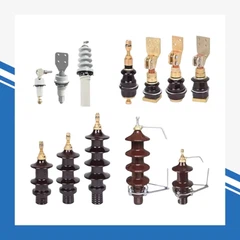
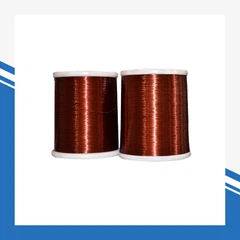
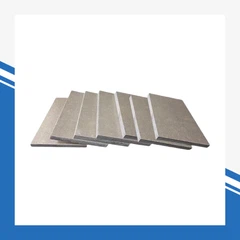
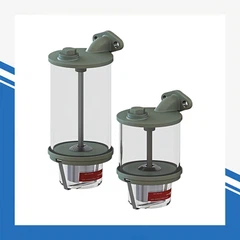
Hangzhou Weshare Import & Export Co.,Ltd. is a leading Chinese manufacturer and exporter of transformer components, electrical insulation materials and consulting company. Weshare founded in 2005 by one specialized sales in transformer accessories. Most of our products are used in oil and dry transformers, electrical motors, generators and electronic products.Our mission is to ensure appropriate product quality while satisfying the needs of our customers is our prime objective and represents the core principle of our business activities.

Why Choose Us
Quality Assurance
Certified by UL, SGS, and ISO9001, Weshare upholds stringent quality standards.
Extensive Experience
Weshare, since 2005, excels in transformer accessories and electrical engineering.
Export markets
With a strong focus on export markets, we have successfully captured significant market share in East Asia, North Europe, the Middle East, South America, Egypt, and East Africa. Our dedication to ensuring appropriate product quality while meeting customer needs is the cornerstone of our business philosophy.
Product Application
Our company boasts a wide array of products used in oil and dry transformers, electrical motors, generators, and electronic devices.

Low levels of friction. The lubrication within the seal ensures that the seal lip does not come into contact with the rotary shaft, eliminating the risk of burning or wear.
Compact size and lightweight. Oil seals possess a small and lightweight design, which belies their strong endurance capabilities.
Reliable, rugged performance. Even under harsh conditions or extreme temperatures, these durable components will maintain their seal.
Simple construction. Easy to handle and assemble, oil seals only take a matter of minutes to replace as technicians do not have to take a machine apart.
Versatility. Standard lip seals are best for applications within dry environments, or those lacking lubrication. Oil seals can act as an alternative with increased functionality.
Paramenters
|
Description |
Size |
Type |
Apply for |
|
|
Valve stem seal |
7 * 12 * 13 |
TC |
Lai Dong |
L375 |
Nitrile Buna-N 70. NBR is compatible with numerous environmental conditions and is also relatively cost-efficient, which makes it one of the most popular and best-suited materials for the industry. Nitrile works well in the -30° to 250° F range and when exposed to anything from water and hydraulic fluids to gas, silicone, vegetable, or animal oils.
Fluoropolymer. FKMs, or Viton®, are perfect for high-temperature applications up to approximately 400° F. Additionally, they feature low compression characteristics. Seals of this material are highly resistant to solvents, gas, and petroleum or transmission oils, so they are a good fit for applications around these materials.
Silicone. Vinyl-methyl-silicones (VMQs) maintain performance in temperatures from -140° to 392° F. In addition, silicone is resistant to adverse weather conditions, light, and ozone. The healthcare and food industry sectors, as well as pneumatic and hydraulic systems, often use silicone.
Polyacrylate. Polyacrylate is a good combination of quality and cost benefits. It is highly resistant to oxidation and heated oil, withstanding temperatures from -25° F to 300° F. This material has applications in vehicle transmissions, shaft seals, O-rings, and more.

Ypes Of Oil Seals
Single Lip Seals
Advantages: Simple design, cost-effective, and easy to install.
Double Lip Seals
Advantages: Extra sealing lip provides additional defense against dirt and debris.
Dual Spring Seals
Advantages: Two garter springs provide enhanced sealing force, making them suitable for more demanding conditions.
PTFE Seals
Advantages: Exceptional chemical resistance, low friction, and high-temperature tolerance.
Installation and Maintenance Tips
Proper Installation
Tools: Use appropriate tools to avoid damaging the seal during installation.
Guidelines: Follow manufacturer guidelines for best results.
Regular Inspection
Monitoring: Periodically check for signs of wear, leakage, or damage.
Replacement: Replace seals as necessary to prevent machinery breakdowns.
Lubrication
Sealing Lip: Properly lubricate the sealing lip during installation and operation to reduce wear and improve performance.
Cleanliness
Environment: Maintain a clean environment during installation and operation to prevent contaminants from damaging the seal.
Customization of Oil Seals
Consultation and design: The customization journey starts with a detailed discussion to understand your needs and application requirements. We gather all relevant application information including speed, temperature, media and pressure. Based on the consultation, our engineering team creates detailed design specifications. We use advanced software to develop precise prints, ensuring that every aspect of the oil seal meets your exact requirements.
Prototyping and Testing Set Up: With the design specifications, we produce a prototype of the custom oil seal. This initial version is created using high-quality materials and state-of-the-art manufacturing techniques. The prototype undergoes rigorous testing to ensure it fits perfectly within the intended application. This includes checking for proper dimensions and compatibility with other components. We conduct extensive performance tests to evaluate the seal’s efficiency in preventing leaks and contamination under various conditions. The prototype is subjected to stress tests, simulating real-world operating conditions to verify its durability and resilience and to ensure its longevity.
Production and Quality Control: We move to full-scale production once the prototype has been approved. Our manufacturing facilities are equipped with cutting-edge technology to produce high-quality oil seals efficiently. Throughout the production process, stringent quality control measures are in place. Each oil seal is inspected for compliance with design specifications and performance standards. Before delivery, every batch of custom oil seals undergoes a final inspection to ensure they meet our high standards of quality and reliability. The finished products are carefully packaged and delivered promptly to ensure they reach you in perfect condition and are ready for immediate use.

Sealing Element: Typically made of elastomeric material, this part makes direct contact with the shaft to provide the sealing function.
Metal Case: Provides structural stability and maintains the shape of the seal.
Garter Spring: Ensures that the sealing lip maintains consistent contact with the shaft, enhancing the seal's effectiveness.
Applications of Oil Seal
Automotive Industry
We provide custom-made oil seals for engines, transmissions, and differentials.
Industrial Machinery
We can create custom oil seals for pumps, compressors, and gearboxes.
Aerospace
In the aerospace industry, it maintains integrity under extreme pressure and temperature conditions in aircraft systems.
Marine Equipment
We provide Marine Oil Seals to protect components from harsh marine environments and prevent water ingress.
Agricultural Machinery
Custom oil seals enhance durability and performance in tractors, harvesters, and other equipment.
Construction Equipment
Custom-made oil seals help ensure reliability and longevity in heavy-duty machinery such as excavators and loaders.
Medical Devices
Our custom oil seals offer precise and sterile sealing solutions for various medical equipment.
Food and Beverage Processing
We can provide oil seals made from FDA materials that meet stringent hygiene standards while providing effective sealing in processing machinery.
FAQ
As one of the leading oil seal suppliers in China, we warmly welcome you to wholesale high-grade oil seal made in China here from our factory. All our products are with high quality and competitive price.