









Description
Transformer Oil Duct Spacer Sticks
Rigid Pressboard Strips That Shape the Winding's Cooling Path
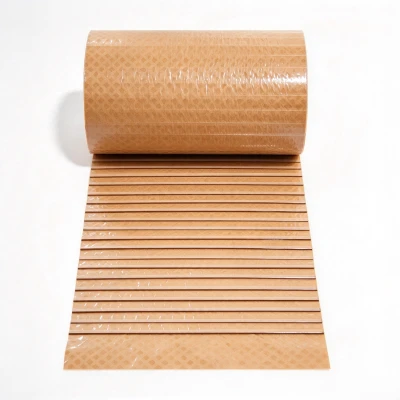
Transformer oil duct spacer sticks are narrow, rigid insulation strips installed inside oil-immersed transformer windings. They hold adjacent winding layers, discs, and pressboard barriers at a fixed distance apart, creating continuous oil ducts - the channels through which insulating oil flows to carry heat out of the winding.
Each strip performs three jobs at the same time:
It defines the cooling path - the strip thickness sets the oil duct height, and the strip spacing sets the oil flow pattern.
It maintains electrical clearance - it keeps conductors and winding layers at the dielectric distance the design requires.
It braces the winding - it stabilises the winding structure against the mechanical forces that appear under short-circuit.
Because these strips fix the geometry of the cooling path, their dimensional accuracy matters as much as their material. A thickness that drifts, or a burr left on a cut edge, changes duct height, disturbs oil flow, and can damage paper insulation during winding. That is why oil duct spacer sticks are specified with tight tolerances and inspected batch by batch - not treated as generic spacers.
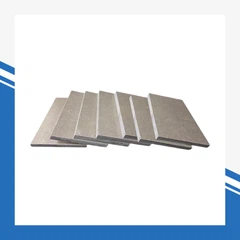
Our oil duct spacer sticks are machined from electrical-grade transformer pressboard, supplied straight, dry, and dimensionally controlled - in standard sizes or cut to your winding drawings.
What Are Transformer Oil Duct Spacer Sticks?
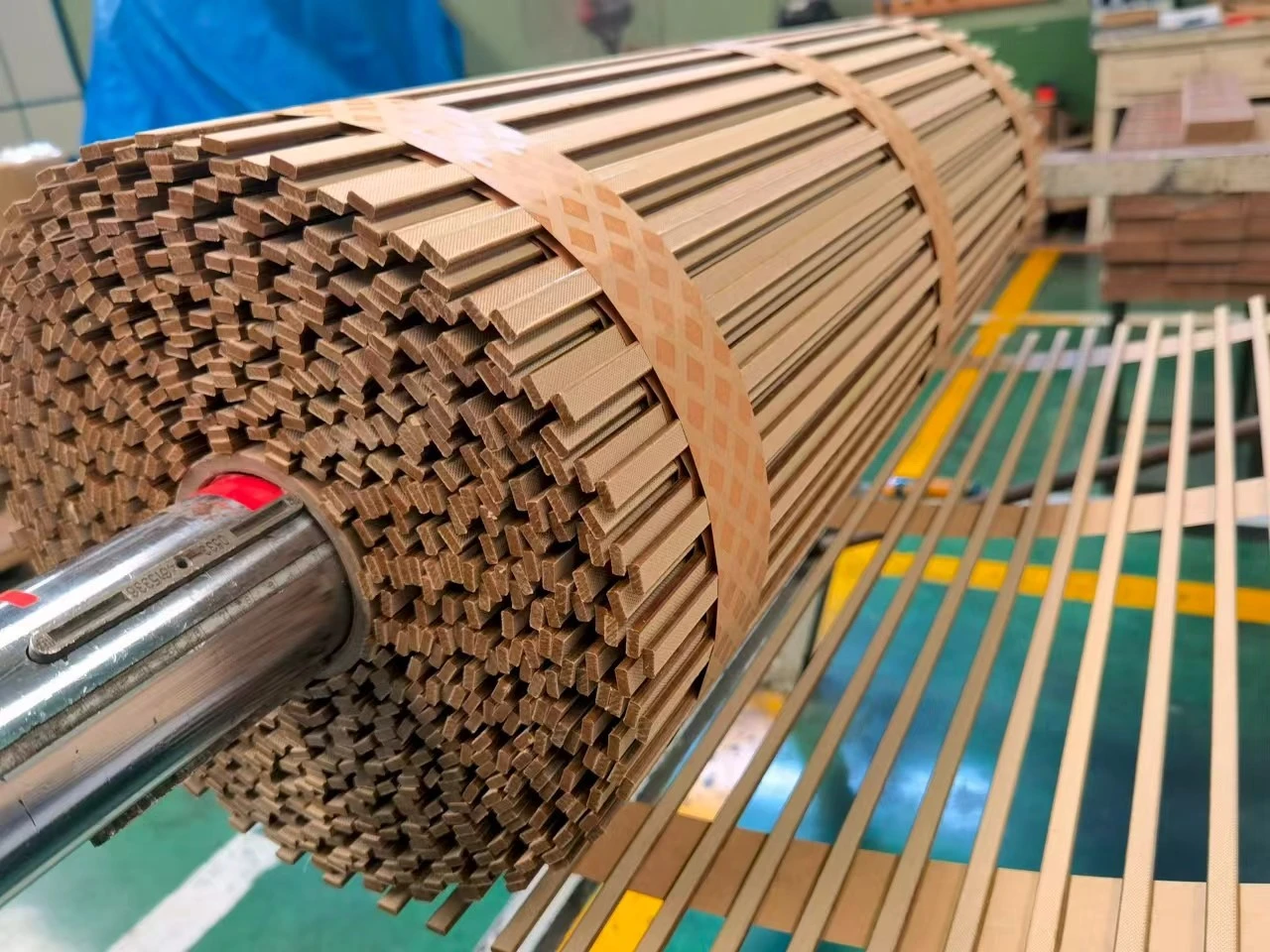
Also called oil duct strips, duct spacers, pressboard spacer sticks, or winding spacer strips, they are long, rectangular-section strips cut from high-density cellulose pressboard. They are not spacer blocks, not oil duct grids, and not barriers - they are the thin, continuous sticks that run along the winding to hold layers apart.
During winding, they are placed between:
adjacent layers of a layer or helical winding,
the winding and pressboard cylinders or angle rings,
winding end blocks and insulation barriers, and
disc-type winding turns where controlled spacing and oil access are required.
The strip cross-section fixes the duct height. The strip length and pitch fix the oil flow path. Together, they set the transformer's internal cooling performance.
Why Oil Duct Spacer Sticks Matter
Cooling - controlled oil ducts
The strips create the axial oil channels through which coolant circulates. Uniform duct height and consistent strip pitch keep oil velocity even along the winding, preventing local hot spots where insulation ages fastest.
Insulation - dielectric spacing
By fixing the gap between winding layers and between the winding and barriers, the strips preserve the oil gap that carries the dielectric stress of the insulation system.
Mechanical support - short-circuit withstand
Under fault conditions, large electromagnetic forces act on the winding. Dimensionally stable strips transmit and distribute those forces, helping prevent coil deformation, layer movement, and conductor displacement.
Assembly accuracy - repeatable winding
Straight strips with clean, square-cut ends and consistent dimensions allow fitters to build the winding to drawing, cut rework, and keep duct height uniform from the first turn to the last.
Material Options
The strip body is almost always cellulose pressboard. The grade is chosen to match the winding's mechanical and thermal duty.
| Material | Description | Typical use |
|---|---|---|
| Standard transformer pressboard | High-density unbleached sulphate (kraft) cellulose board | General oil duct spacing in distribution and power transformers |
| Pre-compressed pressboard | Pressboard densified under high pressure for higher rigidity and lower shrink | Power transformers, transformers with high short-circuit forces |
| Thermally upgraded pressboard | Chemically treated to resist thermal ageing | Transformers with higher continuous winding temperatures |
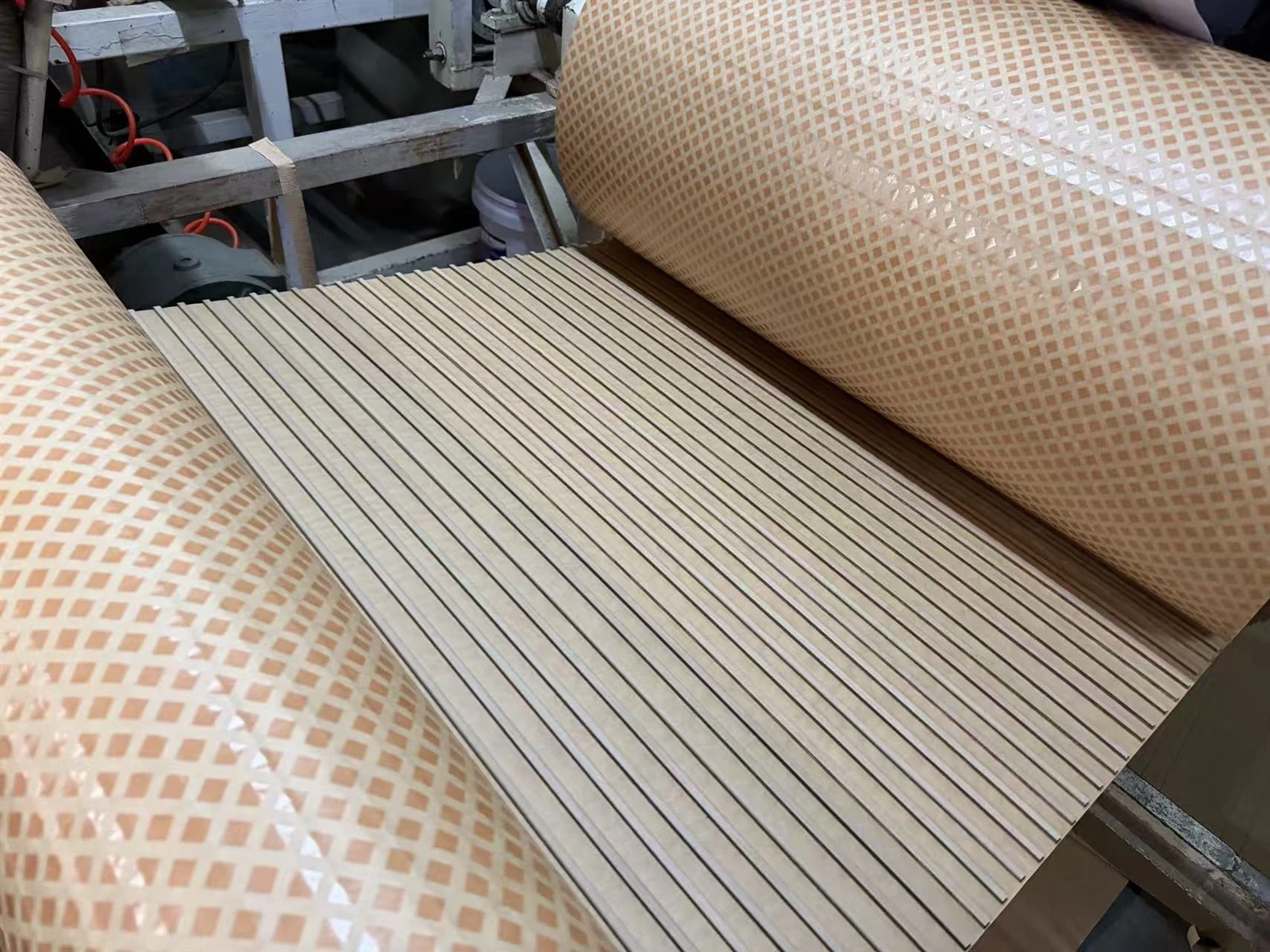
| DDP-laminated pressboard | Pressboard core with diamond-dotted epoxy coating for bonding | Where strips are bonded to paper/board during assembly |
| Bonded paper laminate | Multiple kraft/crepe plies bonded into a rigid strip | Specific winding designs and shaped profiles |
All pressboard grades used conform to the requirements of IEC 60641 (pressboard and presspaper for electrical purposes) and are compatible with mineral insulating oil per IEC 60296.
Typical Specifications
Values below are typical for pressboard oil duct spacer sticks and are grade-dependent. Every dimension can be customised to your winding drawing.
| Parameter | Typical range / options |
|---|---|
| Material | Electrical-grade transformer pressboard (standard / pre-compressed / thermally upgraded / DDP) |
| Thickness | 0.5 – 10 mm (common: 2, 3, 4, 5, 6 mm) |
| Width | 5 – 50 mm (common: 8 – 40 mm) |
| Length | Cut to drawing; typically 200 – 2000 mm |
| Thickness tolerance | ±0.1 mm (grade and thickness dependent) |
| Width tolerance | ±0.3 mm |
| Thermal class | Class A, 105 °C continuous (IEC 60085) |
| Density | Grade-dependent (standard ≈ 0.9–1.1 g/cm³; pre-compressed ≈ 1.2–1.3 g/cm³) |
| Tensile strength | High in machine direction (pre-compressed grades can reach ≈ 100 MPa MD) |
| Moisture content (as supplied) | Dry, typically ≤ 0.5 %, for oil-immersed service |
| Edge finish | Square / chamfered / rounded / notched / grooved |
| Profile | Rectangular, T-section, stepped, slotted (comb) |
| Processing | Straight-cut, CNC-machined, pre-cut kits, pre-assembled oil duct units |
Product display
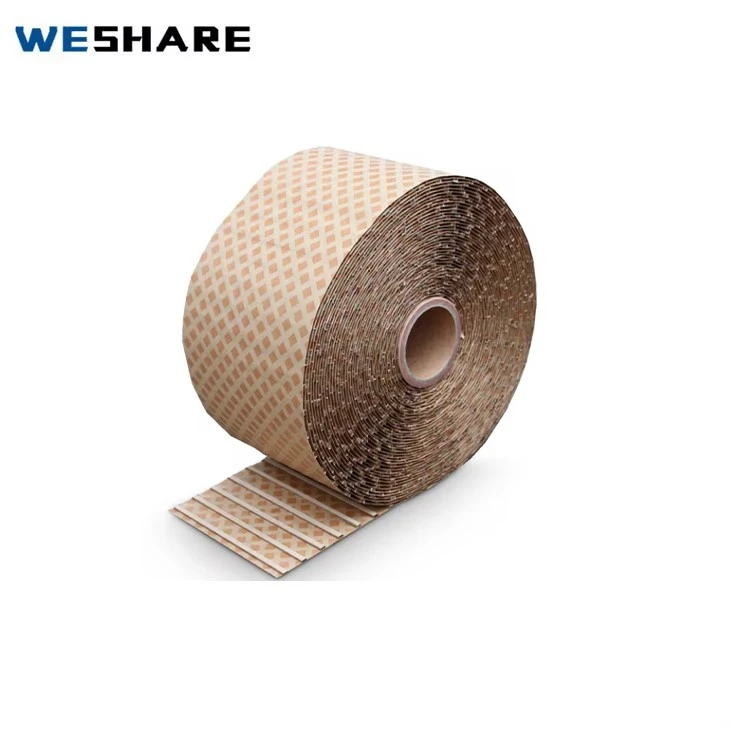
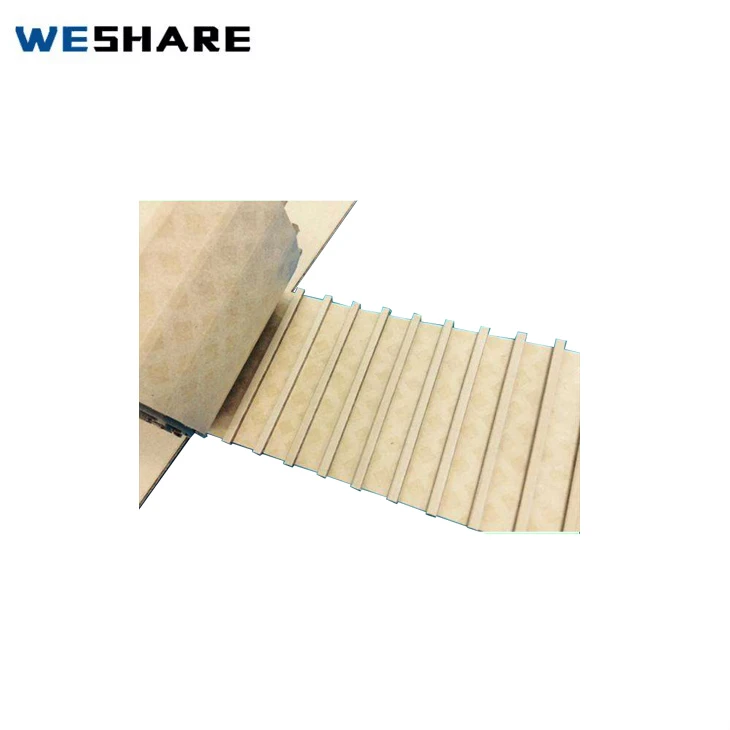
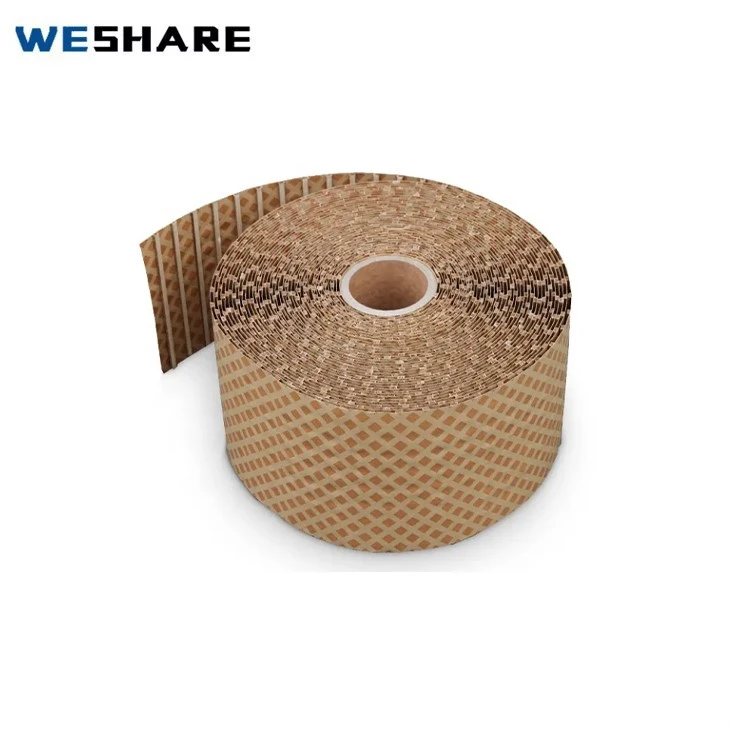

Profiles and Edge Finishes
Rectangular - standard duct strip for layer windings and barrier spacing.
Chamfered / rounded edges - reduce stress concentration and the risk of cutting adjacent paper insulation.
Notched / stepped - for locating strips into cylinders, rings, or end blocks.
Slotted / comb profile - allows radial oil access across a strip in specific winding designs.
T-section - where a wider bearing surface against the winding is required.
Applications
Power transformers - layer, helical, and disc windings
Distribution transformers - layer windings and barrier spacing
Furnace and rectifier transformers
Traction and mobile transformers
Reactors and oil-immersed inductive components
Winding workshops, insulation component processors, and transformer OEMs
Application


Made to Your Winding Drawing
Oil duct spacer sticks are a drawing-driven part. Send us the winding data and we cut to it:
Section - thickness × width
Length - fixed length or strip coil per your fit-up
Quantity per winding and pitch - strip spacing along the winding
Edge and profile - square, chamfered, notched, grooved, T-section
Material grade - standard / pre-compressed / thermally upgraded / DDP
End use - transformer type, voltage class, and oil system
We can supply straight-cut strips, CNC-machined specials, pre-cut kits bundled per winding, and pre-assembled oil duct units where strips are bonded to paper or board.
certificate

Customer

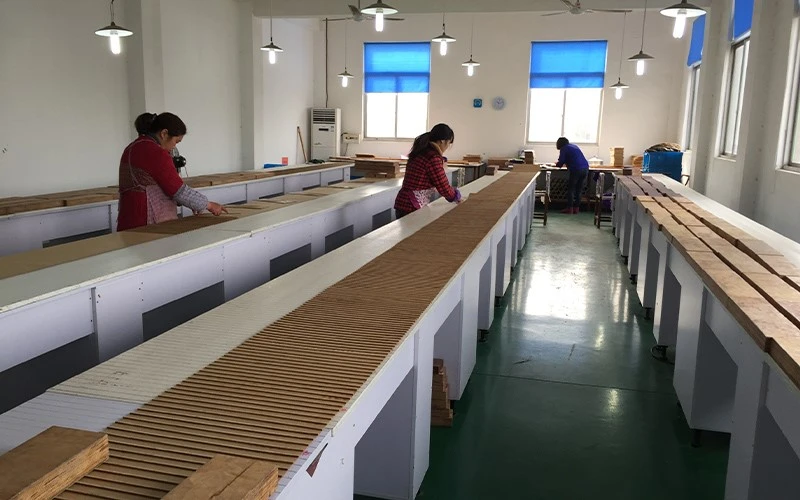
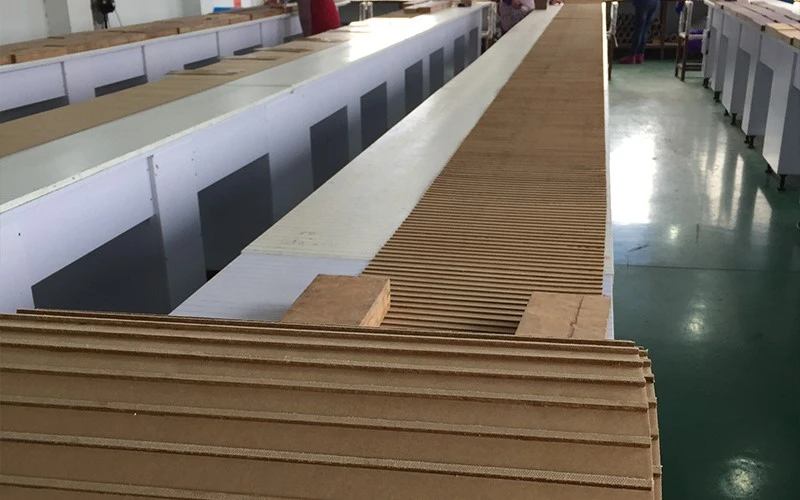
factory display
FAQ
What is the difference between an oil duct spacer stick and a spacer block?
A spacer stick is a long, continuous strip that runs along the winding to hold layers apart and form axial ducts. A spacer block is a short, discrete piece used at local support points. Both are pressboard parts, but they do different jobs.
Standard or pre-compressed pressboard?
Choose standard pressboard for general distribution-transformer windings. Choose pre-compressed pressboard where high short-circuit forces, high rigidity, or low dimensional shrink under thermal cycling are required.
What tolerances can you hold?
Thickness and width are held to tight tolerances, and cut lengths are made to your drawing. Tolerances are confirmed per specification before ordering.
Can you cut to our winding drawings?
Yes. Send section, length, quantity, pitch, profile, and material grade, and we supply strips or pre-cut kits cut to that data.
What documents can you provide?
Material datasheets, dimensional inspection records, and material conformity information such as IEC 60641 and oil-compatibility data. Additional reports are available on request.
Do you supply samples?
Yes. Samples can be provided for material evaluation and production trials; availability and lead time depend on the specification.
Hot Tags: transformer oil duct spacer sticks, China transformer oil duct spacer sticks suppliers