






What Are Thermal Insulation Materials and Why They Matter
Thermal insulation materials are substances that resist the transfer of heat, protecting precision equipment, household appliances, and even human comfort.They are essential in homes, manufacturing, electronics, and countless other industries.
On a cold winter day, a warm house stays comfortable because insulation in the walls stops heat from escaping and cold from entering.That is the everyday magic of thermal insulation.
What makes a material a good insulator is its ability to slow down the movement of thermal energy.Heat transfers in three main ways:
Conduction – through solid materials
Convection – through liquids or gases
Radiation – through electromagnetic waves
Insulators block or reduce heat flow across all three types.Materials with low thermal conductivity are especially valued because they significantly slow heat transfer.

How Thermal Insulation Works
The effectiveness of insulators comes from their structure at the atomic and molecular level.Atoms in insulators are tightly arranged and do not vibrate easily, meaning less energy is transferred.
But their real advantage comes from these key traits:
Trapped air pocketsTiny internal spaces (in foams or minerals) trap air, which is a natural poor conductor of heat.
Low densityLighter materials transfer heat much less efficiently.
Special chemical structureSpecific molecular bonds block the movement of thermal energy.
Reflective surfacesShiny or metal-coated surfaces reflect radiant heat instead of absorbing it.
These features are used alone or combined to create insulators for everything from home heating to protecting electronic components.
Mica: Standout Among Insulation Materials
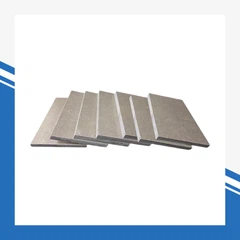
In thermal barrier solutions, mica stands out for its performance and versatility.Mica is a family of natural minerals famous for forming thin, strong, flexible sheets.These layers cleave easily but remain stable, making mica ideal for demanding applications.
Exceptional Heat Resistance
Mica remains stable at temperatures above 1000°C, performing reliably where many synthetic materials melt or decompose.This extreme resistance comes from mica's stable layered silicate crystal structure, which holds even under harsh conditions.
Dual Protection: Thermal + Electrical Insulation
One of mica's unique advantages is that it blocks both heat and electricity.It excels in applications requiring both thermal and electrical insulation - such as heating elements, circuit protection, and electrical equipment.Its natural structure makes it safe, durable, and highly reliable.
Excellent Chemical Durability
Mica resists heat, electricity, and harsh chemicals.It retains its insulating properties even after years in reactive environments, making it dependable where other materials corrode or fail.
Real-World Applications of Mica
Though few people see raw mica, it is widely used and essential to modern life.
Major Industrial Uses
Furnace linings – Mica sheets protect industrial equipment from extreme heat.
Electrical panels – Power plants and substations use mica to prevent short circuits and overheating.
Automotive parts – Mica heat shields protect engines and exhaust systems.
Aerospace – Mica shields critical electronics and structures from extreme temperatures.
Daily Consumer Uses
Kitchen appliances – Toasters, ovens, and microwaves use mica for safe heat containment.
Hair styling tools – Heaters in curling irons and straighteners often use mica.
Electronics – Mica manages heat in chips and circuits, extending device life.
A study by the International Mica Association showed that mica-based insulators can reduce unwanted heat flow by up to 95%, far outperforming untreated materials.
Mica vs. Other Insulation Materials
Mica is not the only option - but it often outperforms alternatives.
Mica vs. Fiberglass
Fiberglass is cheap and effective at moderate temperatures,but it loses structural integrity at extreme heat.Mica remains stable and reliable even in high-temperature industrial environments.
Mica vs. Ceramics
Ceramics resist high heat but are brittle and hard to shape into complex parts.Mica is flexible, can be made into ultra-thin sheets, and fits precise, demanding designs.
Mica vs. Synthetic Polymers
Plastic-based insulators are low-cost and easy to produce,but degrade quickly under harsh conditions.Mica has a slightly higher initial cost but lasts far longer, reducing replacement and maintenance expenses long-term.
Why Mica Has Such Powerful Insulating Properties
Mica's performance comes from its atomic structure:it consists of thin, stacked layers of silicate crystals.These layers can be split cleanly without losing strength, creating lightweight, flexible sheets with excellent thermal and electrical resistance.
Thermally, mica typically has a conductivity of 0.5 to 1.0 W/m·K -far lower than metals like copper or aluminum, and much more practical than air alone in most applications.
This combination of heat resistance, flexibility, and stability makes mica a top-tier material.
The Future of Mica and Advanced Insulation
As technology advances, so does thermal management.Scientists are enhancing mica's natural properties through nanotechnology and safer, more sustainable extraction methods.
Demand is growing in energy, manufacturing, and electronics.Industry experts project double-digit annual growth for mica-based insulation technologies in the coming years.
Guide to Choosing the Right Insulation
When selecting insulation, consider these key factors:
Temperature rangeFor sustained high heat, mica is the top choice.
Electrical insulationMica provides unique dual thermal + electrical protection.
LifespanMica outlasts most alternatives, reducing replacement costs.
Environmental impactAs a natural mineral, mica is recyclable and eco-friendly.
Conclusion: Why Mica Leads Modern Insulation
Mica remains a leader in both thermal and electrical insulation.Its ability to withstand extreme heat, block electricity, and survive harsh environments makes it irreplaceable in everything from industrial machinery to home appliances.
For engineers designing durable equipment or homeowners seeking long-term energy efficiency, mica delivers a reliable, high-performance solution.
If you want a material that offers excellent performance, long-term cost savings, and strong environmental benefits, mica is the smart choice.Work with an insulation specialist to select the right mica product for your needs - and unlock its multi-protection advantages for your next project.