




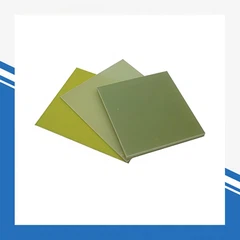


Overview of Mica Sheets
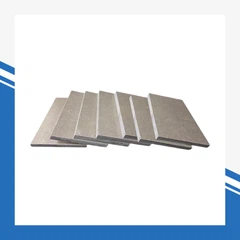
Mica sheets are key insulating materials that play an irreplaceable role in multiple industries including electrical engineering, electronics, metallurgy, and more. On the market, muscovite mica sheets and phlogopite mica sheets are the two most common types. Both are derived from natural mica minerals, but their performance differs due to variations in mineral composition and crystal structure.
Understanding these differences is critical when selecting suitable materials for high-temperature environments. This article compares the core characteristics, precautions, and properties of these two mica types to help industry professionals make more accurate material choices, while also highlighting the product advantages of our Mica.
Comparison: Phlogopite Mica Sheets vs. Muscovite Mica Sheets
| Item | Phlogopite Mica Sheets | Muscovite Mica Sheets |
|---|---|---|
| Mineral Composition | Potassium magnesium aluminosilicate (Mg‑rich) | Potassium aluminosilicate (Al‑rich, low Mg) |
| Temperature Resistance | Continuous service up to 900°C; short‑term peak 1000°C | Continuous service up to 500°C; degrades at high temperatures |
| Electrical Insulation | Excellent stability at high temperatures; low dielectric loss | Outstanding insulation at room temperature; high dielectric strength |
| Chemical Resistance | Strong resistance to strong alkalis and moisture | Sensitive to strong acids and alkalis; prone to corrosion |
| Physical Properties | Good toughness; moderate impact resistance | High rigidity; easy to cut and process; high transparency |
| Typical Applications | Industrial furnaces, boilers, high‑temperature motor insulation | Transformers, capacitors, electronic component insulation |
| Cost Level | Relatively high (limited natural reserves) | Lower (abundant resources; low processing difficulty) |
Important Precautions
Do Not Exceed Temperature Limits
Although phlogopite mica sheets withstand temperatures up to 900°C, prolonged exposure above 950°C may cause structural aging.For muscovite mica sheets, long‑term exposure above 500°C causes loss of crystal water, leading to a sharp drop in insulation performance and even brittle fracture. Strict compliance with temperature limits is essential.
Evaluate Environmental Adaptability in Advance
In industrial environments with high moisture or alkaline mist (e.g., chemical workshops, wastewater treatment facilities), phlogopite mica sheets are preferred.In dry, non‑corrosive electronic workshops, muscovite mica sheets offer better cost‑effectiveness.
Processing and Installation Standards
Muscovite mica sheets have good rigidity but relatively high brittleness. Specialized cutting tools must be used to avoid edge cracking.They also require shock protection during transportation and installation to avoid severe impact.
Quality Traceability Control
When purchasing mica sheets, ensure high raw material purity. Excessive impurities significantly reduce insulation performance.Our Mica uses natural mica minerals with a purity of over 99% and provides quality inspection reports for each batch.

Material Selection Recommendations
Core Selection Logic
Use the operating temperature as the primary criterion:
Temperature ≥ 500°C: phlogopite mica sheets are mandatory
Temperature < 500°C: muscovite mica sheets may be chosen based on insulation precision and cost
Combined Performance Requirements
For applications requiring both high temperature resistance and high dielectric strength (e.g., insulation for new energy vehicle motors), Our Mica's muscovite composite sheets are recommended, achieving complementary performance through optimized processing.
Long‑Term Use Recommendations
For applications with cyclic high‑temperature changes (e.g., intermittent kilns), phlogopite mica sheets deliver better thermal stability and longer service life, so they are the preferred choice.
Compliance Verification
For use in electrical equipment, confirm products meet international standards such as IEC 60372 (Specifications for Mica Materials).All Our Mica products are CE and UL certified.
Product Properties
Phlogopite Mica Sheets
The core properties of phlogopite mica sheets come from their magnesium‑containing crystal structure.At high temperatures, magnesium stabilizes the crystal framework and reduces structural loosening caused by thermal vibration. As a result, phlogopite maintains excellent insulation (volume resistivity >10¹⁴ Ω·cm) even at 900°C.
Its natural brown or bronze color comes from trace iron doping, which does not affect insulation performance but results in lower light transmittance than muscovite.
Mechanical Properties: Tensile strength approx. 160–200 MPa; withstands moderate deformation without breaking, suitable for high‑temperature sealing with slight cushioning.
Moisture Resistance: Water absorption <0.5%; after 30 days in 90% humidity, insulation resistance decreases by less than 10%, showing excellent moisture resistance.
Muscovite Mica Sheets
Due to their high‑aluminum, low‑magnesium composition, muscovite mica sheets offer outstanding insulation at room temperature:
Dielectric strength: 15–20 kV/mm
Dielectric constant: stable at 5–7 (1 MHz), higher than phlogopite's 10–15 kV/mm and 6–8.
The tightly arranged aluminum‑oxygen layers provide high rigidity (hardness 2.5–3) and excellent light transmittance (up to 70%). It can be processed into ultra‑thin sheets (0.01–0.1 mm).
Chemical Stability: Good at medium to low temperatures (<300°C); oil and solvent resistance better than phlogopite.However, above 500°C, hydroxyl groups (–OH) in the crystal gradually detach, causing structural collapse and a drop in insulation performance of over 50% within 24 hours.

Advantages and Disadvantages
Phlogopite Mica Sheets
Advantages
Outstanding high‑temperature resistance; one of the few natural insulating materials stable at 900°C
Excellent alkali and moisture resistance, suitable for harsh industrial environments
Better toughness; higher installation fault tolerance than muscovite
Strong compatibility with high‑temperature adhesives; can be made into high‑temperature mica tapes for motor windings
Disadvantages
Higher cost: approx. 1.5–2 times that of muscovite
Slightly lower dielectric performance at room temperature than muscovite
Limited natural reserves; some high‑end products rely on imported ore
Muscovite Mica Sheets
Advantages
Industry‑leading insulation performance at room temperature with high dielectric strength and stability
Abundant resources and affordable price; suitable for mass applications
High rigidity and easy processing; can be made into precision thin sheets or special‑shaped parts
Good light transmittance; ideal for insulating applications requiring visibility (e.g., instrument windows)
Disadvantages
Limited temperature resistance; not suitable for long‑term use above 500°C
Relatively brittle; requires careful handling during transport and installation
Sensitive to corrosive environments; limited application scope
Frequently Asked Questions
1. What is the difference in service life between muscovite and phlogopite mica sheets?
Under rated temperature and non‑corrosive conditions:
Phlogopite mica sheets: 10–15 years
Muscovite mica sheets: approx. 8–12 years below 300°C, but only 3–5 years at 400–500°C.
Service life is also affected by humidity and vibration frequency. Consult the our Mica technical team for your specific application.
2. How to quickly distinguish the two by appearance?
Phlogopite mica sheets: mostly brown, bronze, or tan; soft luster on fracture surfaces
Muscovite mica sheets: mostly transparent, light brown, or silvery white; glassy luster and significantly higher transparency
Professional testing is recommended for final confirmation to avoid interference from impurities in natural mica.
3. What processing technology does Our Mica use for muscovite sheets?
Mica uses a "hydraulic separation purification + constant‑temperature pressing" process:
Multi‑stage hydraulic separation removes impurities such as quartz and feldspar from raw ore.
Molding is performed at a constant 200°C to ensure uniform density (≥2.7 g/cm³), reduce bubbles and delamination, and improve high‑temperature stability.
4. Can muscovite mica sheets replace phlogopite sheets for high‑temperature equipment insulation?
Not recommended.Muscovite deteriorates rapidly above 500°C, leading to insulation failure and potential safety hazards such as equipment short circuits and fire.
Even for temporary emergency use, temperature must be strictly controlled below 450°C, with a greatly shortened replacement cycle.