






Processed Mica Products: Applications & Advantages Across Industries
Processed mica products play a vital role in numerous industries due to their exceptional properties. They are most commonly used for electrical insulation, fire protection, and for enhancing the appearance and strength of various materials. The table below summarizes their applications across key sectors:
| Industry | Application Description |
|---|---|
| Electronics | Mica provides electrical insulation for circuit boards, preventing short circuits and ensuring stable operation. |
| Construction | Mica reinforces roofing materials and welding electrodes, extends service life, and improves water resistance. |
| Automotive | Mica helps automotive plastics maintain strength at high temperatures and enhances component durability. |
| Plastics | Mica improves electrical and UV resistance in plastics, boosting durability and performance. |
| Cosmetics | Mica is widely used for its luster, enhancing the visual appeal of beauty products. |
Processed mica products – including mica tape, mica paper, and flexible heating plates – deliver outstanding thermal insulation, electrical insulation, chemical stability, and flexibility. These characteristics enable reliable performance even in harsh environments, supporting their widespread use across electronics, automotive, construction, plastics, and cosmetics.
Key Summary
Processed mica products serve a wide range of industries, including electronics, construction, automotive, plastics, and cosmetics.
Outstanding electrical insulation prevents short circuits, supporting safe and efficient equipment performance.
In construction, mica provides fire resistance and thermal insulation, improving safety and energy efficiency.
In automotive applications, mica strengthens components and preserves performance under high temperatures.
In cosmetics, mica adds shine and smoothness for a more attractive, long-lasting finish.
Mica's heat resistance and flexibility make it a preferred material for many industrial applications.
The global mica market continues expanding, driven by demand in advanced technologies and eco-friendly products.
Mica products extend service life and enhance performance in items ranging from auto parts to beauty products.

Electrical & Electronic Applications
Processed mica products are indispensable in electrical and electronic systems, offering superior insulation and thermal stability for high-performance equipment.
Insulation Materials
Mica is renowned for its excellent insulating properties, high-temperature resistance, and non-conductive nature, making it ideal for electrical systems.
Mica Tape for Transformers
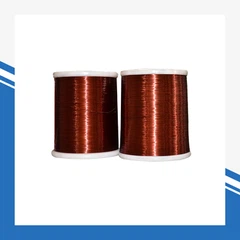
Mica tape is widely used to wrap wires and coils in transformers. It delivers superior electrical insulation and prevents overheating, outperforming PVC or fiberglass tape at elevated temperatures. Its thermal stability and strong insulation extend transformer service life, even where other materials fail.
Mica Paper for Circuit Boards
Mica paper, produced from muscovite flakes and resin, is a tough, flexible sheet used in circuit boards for electrical and thermal isolation.
| Property | Description |
|---|---|
| Electrical Insulation | High volume and surface resistivity, low dielectric loss, and high dielectric strength. |
| Heat Resistance | Stable insulating performance at high temperatures. |
| Mechanical Properties | High compressive strength and easy processing into thin or complex shapes. |
Heat-resistant, fire-retardant, and mechanically robust, mica paper is an ideal electrical insulation material.

Capacitors & Components
Mica is widely integrated into electronic components to improve performance and safety.
Dielectric Layers
Mica serves as the dielectric in capacitors, where thin mica sheets are laminated with metal foil to form stable, durable units. This structure delivers excellent insulation and stable performance at high frequencies, preserving capacitance despite temperature changes. Mica's heat resistance also extends the service life of transistors and other components.
Mica Resistors
Mica insulation protects internal resistor elements from high temperatures and high currents, ensuring safe, reliable performance in electronic devices.
| Mica Product | Application | Market Trend |
|---|---|---|
| Mica Powder | Cosmetics, paints | Key functional filler; strong growth from demand for lightweight materials. |
| Mica Flakes | Construction, automotive | Decorative and functional; steady market contribution. |
| Mica Sheets | Electrical insulation, high-temperature applications | Critical in specialized sectors; moderate demand growth. |
Mica remains essential in electrical and electronic insulation due to its unique combination of insulation, heat resistance, and strength.
Construction Materials
Mica products enhance building safety, strength, fire resistance, thermal insulation, and energy efficiency.
Fire Protection & Thermal Insulation
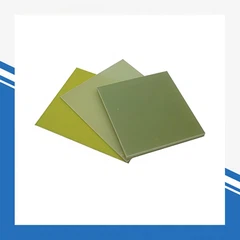
Mica plates are widely used in fire-safe applications due to their high-temperature resistance and non-flammable nature.
Mica Plates in Incinerators
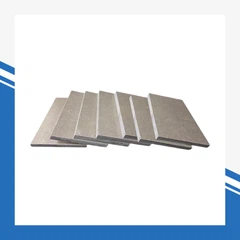
Mica plates provide fire and thermal insulation in incinerators, protecting structures from flames and heat while stabilizing interior temperatures. They are also used to cover steel beams and construct firewalls.
| Property | Description |
|---|---|
| Fire Resistance | Excellent fireproof performance for safety systems. |
| Thermal Insulation | Improves heat retention and energy efficiency. |
| Applications | Steel protection, firewalls, and barriers. |
Mica plates can achieve up to 4 hours of fire resistance for steel beams and are integrated into wallboards and gypsum boards to enhance fire safety and insulation. They help maintain comfortable interior temperatures year-round, reducing energy costs.
Thermal Insulation Boards
Mica boards are used in walls, ceilings, and floors to effectively control heat transfer, supporting energy conservation and fire safety.
Paints & Coatings
Mica is added to paints, wall coatings, and roofing materials to improve appearance and durability.
Wall Coatings
Mica enhances smoothness, fire resistance, and adhesion in wall coatings.
| Benefit | Description |
|---|---|
| Improved Adhesion | Mica powder helps joint compounds bond better to gypsum board. |
| Smoother Finish | Creates a more even surface. |
| Fire Resistance | Enhances fire performance of fillers. |
| Workability | Improves the handling of plaster materials. |
| Crack Reduction | Helps prevent cracking during drying. |
| Durability | Creates stronger, longer-lasting surfaces. |
Roofing Materials
Mica-reinforced roofing offers longer service life, better weather resistance, and improved solar reflectance, reducing building temperatures and protecting against rain and wind.
The global construction mica market was valued at approximately $541.89 million in 2023 and is projected to reach $751.48 million by 2032, reflecting growing demand for fireproofing and thermal insulation.
Automotive Industry Applications
Mica products support heat dissipation, noise reduction, and extended service life in vehicles, especially in engines and battery packs.
Heat Resistance
Mica's high-temperature stability and electrical insulation make it ideal for engine and thermal management systems.
Engine Heat Insulation
Mica sheets and components are installed around engines and exhaust systems to block heat transfer, protecting wiring and sensors. They also provide thermal management for EV and hybrid battery packs, maintaining safe operating temperatures.
| Application Area | Description |
|---|---|
| Engine Compartment | High-temperature insulation material. |
| Exhaust System | Heat resistance in extreme thermal environments. |
| Battery Packs | Structural stability under heat and vibration. |
Mica insulation is also used in ignition systems to improve performance and durability.
Battery Separators
Mica acts as a separator in battery packs, preventing direct contact between cells to avoid short circuits and enhance safety during overheating or vibration.
Vibration & Sound Dampening
Mica composites reduce noise and vibration for a quieter, more stable ride.
Steel Plate Damping
Mica added to automotive body panels dampens vibration and reduces rattling. Its layered structure absorbs sound waves, minimizing interior noise.
Sound-Absorbing Panels
Mica-based interior panels block road and engine noise. They are lightweight, formable, and highly durable.
| Property | Mica | Rubber Insulation |
|---|---|---|
| Thermal Insulation | Excellent | Moderate |
| Heat Resistance | Over 600°C | Limited |
| Moisture Resistance | High | Variable |
| Chemical Resistance | High | Low |
| Durability | High | Moderate |
| Fire Resistance | Yes | No |
Mica helps vehicles withstand high temperatures, reduce noise, and improve safety, comfort, and service life.
Plastics, Rubber & Composites
Mica reinforces plastics and rubber, improving strength, appearance, and durability for automotive, packaging, and consumer goods.
Fillers & Reinforcement
Reinforced Plastics
Mica powder enhances rigidity, thermal stability, and dimensional stability in plastics, reducing warpage and shrinkage during molding. It can increase composite strength by over 50% while improving ductility and pressure resistance.
Reinforced Rubber
Mica improves elasticity and tear resistance without chemical reaction with rubber components. It also acts as a lubricant for easier demolding. Mica-reinforced rubber is used in tires, seals, and hoses.
Surface Finishing
Gloss Enhancement
Mica creates a smooth, glossy finish on plastics and rubber, masking minor scratches and improving aesthetics in automotive and household products.
Scratch Resistance
Mica forms a protective surface film, improving scratch resistance in phone cases, instrument panels, and exterior parts.
Cosmetics & Personal Care Applications
Processed mica is widely used in beauty products for its natural shine, smooth texture, and safety profile.
Makeup Effects
Shimmering Eyeshadows
Mica powder provides glitter and luminosity in eyeshadows, highlighters, blushes, and lipsticks. Its fine particle size creates a smooth, radiant finish ideal for popular glossy and dewy makeup looks.
Mica is suitable for pressed powders due to its low friability and can be white or colored to achieve various cosmetic effects.
Lipsticks & Nail Polishes
Mica adds gloss and shine to lipsticks and nail polishes, improving texture, longevity, and stability under light and heat.
Skin Care
Creams & Lotions
Mica softens the appearance of fine lines, evens skin tone, and creates a natural radiance by reflecting light, giving skin a bright, healthy look.
Sunscreens
Mica acts as a natural UV filter, protecting against sun damage and aging. It is gentle and compatible with other sunscreen agents.
Safety & Regulations
Cosmetic-grade mica must meet strict safety standards worldwide.
| Aspect | Details |
|---|---|
| Safety Assessment | Mica pigments are safe when used in appropriate concentrations. |
| Inhalation Risk | Occupational dust exposure may pose respiratory hazards. |
| Skin Irritation | Generally well-tolerated, though sensitivity may occur in some individuals. |
| Regulatory Standards | Must be clean and free of asbestos or harmful substances. |
| Environmental Concerns | Sourced through environmentally responsible practices. |
Mica is regulated by the FDA (US), EU laws, and Health Canada to ensure consumer safety.
Market Trends
2024 market size: $670 million
Projected 2034 size: $1.12 billion
Compound annual growth rate: 5.2%Demand is driven by the preference for natural ingredients in beauty products.
Other Industrial Applications
Mica's heat resistance and flexibility support critical roles in oil drilling, cement production, paper manufacturing, packaging, and more.
Oil Drilling & Cementing
Drilling Mud Additive
Mica is used in drilling mud to seal fractures, form filter cakes, and prevent fluid loss, ensuring well stability and safety.
Cementing Additive
Mica fills gaps, strengthens cement, and prevents gas or oil leakage in well cementing, improving durability under high pressure.
Paper & Packaging
Paper Coatings
Mica enhances smoothness, water resistance, and oil resistance in coated papers, adding pearlescent effects for premium packaging and labels.
Barrier Packaging
Mica-based barriers block moisture, air, and light, extending shelf life for food and consumer goods. Mica components also withstand high temperatures in packaging machinery.
Additional Industrial Uses
| Application | Description |
|---|---|
| Semiconductor Manufacturing | Mica heating plates ensure uniform, safe heating. |
| Food Processing | Mica heating plates support efficient cooking. |
| Laboratory Equipment | Mica sheets provide thermal insulation and heating. |
| Plastics Manufacturing | Mica components offer electrical insulation. |
| Packaging Machinery | Heat-resistant mica parts ensure reliable operation. |
| Industrial Heating | Durable mica is ideal for heating elements. |
| Electrical Appliances | Thermal insulation for high-temperature devices. |
| Steam Boilers | Withstands high pressure and temperature. |
| Smelting Furnace Windows | Heat-resistant window material for visual inspection. |
| Welding Electrodes | Provides electrical insulation. |
| Chemical Industry | Used in paper and rubber production. |
Core Advantages of Processed Mica Products
| Advantage | Description |
|---|---|
| Physicochemical Stability | Retains strength and safety at high temperatures. |
| Flexibility | Manufactured into thin, bendable sheets. |
| Cost-Effectiveness | High performance at competitive cost. |
| Longevity | Durable even in harsh environments. |
Mica is essential for advanced batteries, solar panels, and eco-friendly coatings. As new applications emerge, mica will continue playing a key role in future technologies.
FAQ
What is mica used for in everyday items?
Mica appears in cosmetics, automotive parts, paints, and electronics, improving durability, appearance, and resistance to heat and electricity.
Is mica safe in cosmetics?
Yes, when properly purified and tested to be free of harmful substances.
Why does mica make products sparkle?
Its thin, flat layers reflect light, creating shimmering effects in cosmetics, paints, and plastics.
How does mica provide insulation?
It resists electrical and thermal conductivity, making it ideal for insulating wires, circuit boards, and engines.
Can mica be recycled?
Mica is a mineral and not biodegradable. Some industries reuse scrap, but large-scale recycling remains limited.
How is mica different from other minerals?
It combines flexibility, heat resistance, and non-conductivity, supporting extremely diverse applications.
Where is mica mainly produced?
Major sources include India, China, and Brazil, where it is mined and processed for global industrial use.