


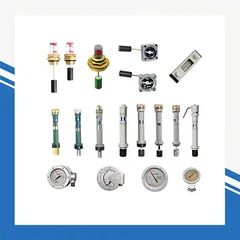


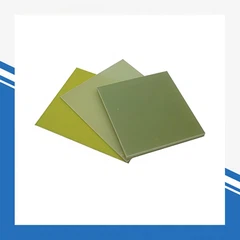


Mica Screws: High-Performance Insulation Fasteners for Resistor Applications
Mica screws are specialized fasteners engineered for high-performance electrical insulation in resistor applications. Mica stands out for its exceptional dielectric strength and superior stability at elevated temperatures. These properties make mica a preferred material in electrical insulation where reliability and safety are critical.
Mica offers high volume resistivity and surface resistivity with low dielectric loss.
It delivers stable insulation performance even in extreme environments.
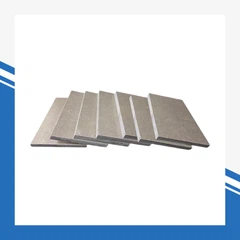
Mica screws, along with mica sheets and mica plates, are widely used in electrical and thermal resistance devices to ensure optimal protection and performance.
Key Summary
Mica screws provide outstanding insulation performance in high-performance applications, ensuring safety and reliability.
With high dielectric strength and thermal resistance, mica outperforms many alternative materials, making it ideal for extreme environments.
Proper selection and installation of mica screws improve the durability and efficiency of resistive devices.
Routine maintenance of mica-based components is essential for long-term performance and safety in industrial systems.
Using mica screws combined with mica sheets enhances insulation and mechanical stability, establishing them as preferred components in electrical applications.

Mica Screws & Insulation Properties
Composition of Mica Screws
Mica screws are manufactured from high-grade mica, a mineral known for its layered structure and exceptional stability. Producers typically use phlogopite or muscovite, both aluminum silicate and phyllosilicate minerals. These minerals form parallel sheets of silicate tetrahedra surrounding an octahedral layer, giving mica screws their unique mechanical and electrical properties.
| Property | Description |
|---|---|
| Chemical Classification | Mica belongs to aluminum silicates and phyllosilicates. |
| Common Grades | Phlogopite (heat-resistant up to 1000°C) and Muscovite (heat-resistant up to 750°C). |
| Structure | Composed of parallel silicate tetrahedral layers surrounding an octahedral layer. |
This structure ensures mica screws retain integrity and performance under extreme conditions and allows precision machining, making them suitable for high-voltage and high-temperature environments.
Insulation Characteristics
Mica excels as an insulation material due to its superior dielectric strength and thermal resistance. The physical properties of mica directly influence the performance of mica screws in demanding applications.Muscovite and phlogopite offer continuous service temperatures up to 500°C and 700°C respectively, with intermittent limits reaching 800°C and 1000°C.
| Property | Muscovite | Phlogopite |
|---|---|---|
| Continuous Operating Temp | Up to 500°C | Up to 700°C |
| Intermittent Service Temp | Up to 800°C | Up to 1000°C |
| Dielectric Strength @ Room Temp (kV/mm) | 25 kV/mm | 25 kV/mm |
| Dielectric Strength @ 400°C (kV/mm) | 13 kV/mm | 13 kV/mm |
| Dielectric Strength @ 600°C (kV/mm) | 10 kV/mm | 10 kV/mm |
| Tensile Strength (N/mm²) | 150 | 110 |
| Flexural Strength (N/mm²) | 230 | 170 |
| Thermal Conductivity (W/m·K) | 0.3 (perpendicular) | 3.0 (parallel) |
Mica screws feature a dielectric strength ranging from 40 to 150 kV/mm, far exceeding common insulation materials such as bakelite (6–15 kV/mm), paper, or asbestos board.
At 250°C, mica maintains a resistivity range of 10⁶ to 10¹² Ω·cm, meaning its insulation performance is minimally affected by heat, even where other materials fail.
Why Use Mica for Screws?
Engineers choose mica for screw components in resistor applications due to its unmatched combination of properties:
Mica withstands temperatures up to 1600°C without burning.
Dielectric strength of 50–150 kV/mm prevents electrical breakdown.
Excellent chemical stability ensures long-term durability.
High thermal conductivity dissipates heat and reduces thermal runaway risk.
When paired with mica sheets, mica screws further enhance insulation and mechanical stability, making them ideal for demanding electrical and thermal applications.

Applications in Resistive Devices
Resistors
Mica screws play a vital role in manufacturing high-performance, high-safety resistors. Mica's excellent dielectric and thermal resistance make it the primary insulation material.Mica screws, sheets, and plates provide reliable insulation between conductive components, preventing short circuits and extending service life.
| Resistor Type | Description |
|---|---|
| Stamped Grid | Used for low resistance and high current; mica washers insulate between grids. |
| Wirewound | Commonly uses mica screws for internal insulation. |
| Edge Wound | Incorporates mica screws for electrical insulation. |
Mica components are also widely used in stainless steel repair grids to ensure safe operation under harsh conditions.
Heating Elements
Heating elements in industrial and laboratory settings rely on mica screws for stable insulation. Mica operates reliably at temperatures up to 900°F (480°C), ideal for plastic processing, medical labs, and similar applications.
Mica screws maintain electrical isolation under continuous thermal stress.
Mica sheets and plates provide structural support and uniform heat distribution.
Combined assembly enables precise thermal resistance control.
Heating elements using mica screws offer reduced electrical failure risk and improved durability.
Industrial Equipment
Industrial machinery operating under extreme conditions depends on mica screws for robust insulation solutions.Mica screws are essential components in mica band heaters used in:
Extruders
Injection molds
Heating pipes
Pelletizers
Blow molding machines
Film blowing equipment
Mica's thermal conductivity efficiently dissipates heat, while its chemical stability ensures reliable performance in harsh industrial environments.Mica screws are also used in TO-220 packaging kits, mica washers, and related components, demonstrating mica's versatility as a high-performance insulator.
Advantages of Mica Screw Insulation
Thermal Stability
Mica provides exceptional thermal stability in resistive devices:
Withstands continuous temperatures up to 500°C and short-term exposure above 1000°C.
Does not burn or degrade at extreme temperatures.
Resists thermal shock and maintains insulation during rapid temperature changes.
These properties make mica the material of choice for applications requiring superior thermal management.
Electrical Isolation
Electrical isolation is critical in high-voltage systems. Mica's non-conductive nature creates a reliable barrier against electrical breakdown and short circuits.
| Property | Description |
|---|---|
| Dielectric Strength | Prevents electrical failure in high-demand systems. |
| Non-Conductivity | Ensures safe operation under high voltage. |
| Mechanical Stability | Resists compression and vibration while maintaining insulation. |
Durability & Safety
Mica offers long service life and enhanced safety:
Corrosion-resistant and moisture-proof for long-term insulation.
Non-flammable even at high temperatures.
High mechanical strength prevents structural failure.
Mica's stable performance reduces maintenance costs and extends equipment lifespan.

Selection & Installation Best Practices
Selecting Mica Screws
Choosing the right mica screws requires evaluating several key criteria:
| Criterion | Description |
|---|---|
| Load & Stress | Minimum acceptable load, proof load, yield strength, and tensile strength. |
| Strength | Performance varies by material grade and fastener dimensions. |
| Resistance Properties | Corrosion resistance and need for protective coatings. |
| Temperature | Operating temperature range to maintain dielectric performance. |
For high-humidity or chemically exposed environments, select screws with enhanced corrosion resistance.
Compatibility with Mica Sheets & Tapes
Compatibility between mica screws, sheets, and tapes ensures effective insulation:
Mica tape seals edges and joints.
Mica sheets provide structural support.
Mica rolls cover large surfaces uniformly.
Match mica sheet thickness and grade to screw size and insulation requirements to avoid gaps and ensure consistent performance.
Maintenance Practices
To maximize service life:
Clean the mounting area before installation.
Measure and cut mica sheets to fit precisely.
Secure mica sheets using high-strength adhesive.
Seal edges and joints with heat-resistant mica tape.
Regularly inspect for wear, cracks, or damage.
Replace degraded components promptly.
Proactive maintenance preserves resistive and dielectric performance and reduces downtime.
FAQ
What is a mica tube and how is it different from other insulation tubes?
A mica tube is a cylindrical insulator made from compressed mica paper or mica sheets. Compared to ceramic or fiberglass tubes, mica tubes offer superior dielectric strength and thermal resistance, making them suitable for high-temperature, high-voltage applications where other tubes fail.
Where are mica tubes most commonly used?
Mica tubes are widely used in electric heating equipment, industrial furnaces, and high-voltage resistors. They insulate heating elements and conductive rods and are also applied in laboratory equipment and specialized assemblies requiring stable performance under extreme conditions.
How do mica tubes improve safety in resistive devices?
Mica tubes act as a protective barrier against short circuits and thermal damage. They are fire-resistant and chemically inert, reducing failure risks and maintaining performance during rapid temperature changes.
Can mica tubes be customized?
Yes. Mica tubes can be manufactured in custom diameters, wall thicknesses, and lengths for precise fitting. They can also be combined with mica sheets or tapes for enhanced insulation in complex configurations.
What maintenance do mica tubes require?
Regularly clean mica tubes to remove dust and debris. Inspect for cracks or surface wear and replace damaged tubes immediately to maintain reliable insulation.