






Phlogopite Mica Sheets vs. Muscovite Mica Sheets – A Complete Comparison
Exploring the Key Differences Between Phlogopite and Muscovite Mica Sheets
| Property | Phlogopite Mica Sheets | Muscovite Mica Sheets |
|---|---|---|
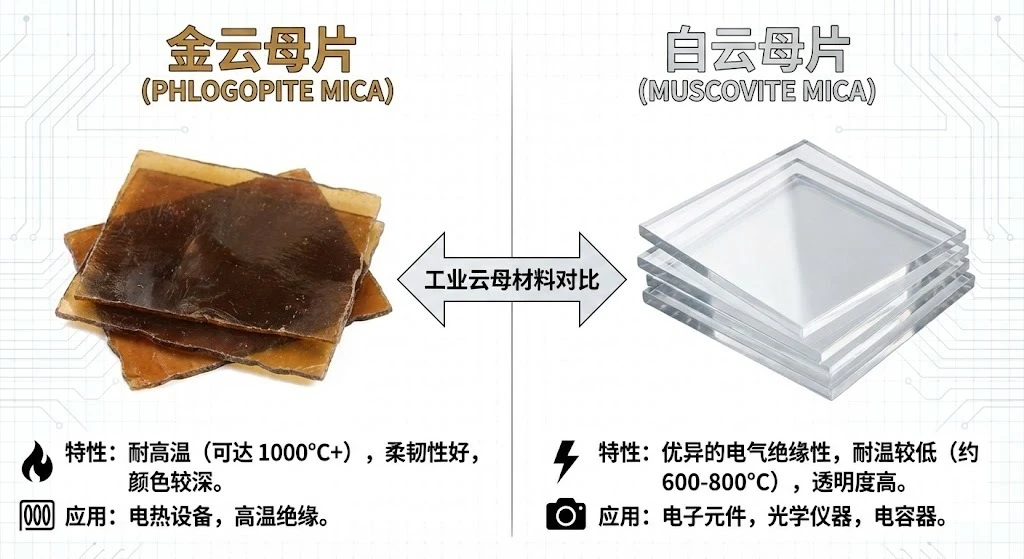
| Color | Golden brown to amber | Silver, white, or transparent |
| Heat Resistance | Up to 1000°C | Up to 800°C |
| Electrical Insulation | Good insulating properties | Excellent insulating properties |
| Mechanical Strength | More flexible and tougher | Stiff, less flexible |
| Typical Uses | High-temperature applications | Electrical equipment |
| Transparency | Less transparent | More transparent |
| Cost | Generally higher | Generally lower |
There are significant differences between phlogopite and muscovite mica sheets. Phlogopite mica sheets withstand higher temperatures and have a golden-brown color, while muscovite mica sheets offer superior electrical insulation and appear silver or transparent. Understanding these differences helps select the right material for insulation or industrial projects. Choosing the appropriate sheet for specific requirements ensures safety and optimal performance.
Key Summary
Phlogopite mica sheets withstand higher temperatures, up to 1000°C, making them ideal for high-temperature environments.
Muscovite mica sheets provide outstanding electrical insulation, making them the top choice for electrical insulation.
Phlogopite is golden-brown and flexible. Muscovite is silver/transparent and relatively stiff.
Choose phlogopite for heat resistance and flexibility. Choose muscovite for electrical applications and a clean, attractive appearance.
Always consider project requirements to select the right mica sheet for best results.
Overview of Mica Sheets
Basics of Phlogopite Mica Sheets
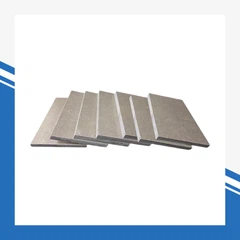
Phlogopite mica sheets have a golden-brown color and come from the phlogopite mineral species in the mica family. These sheets have a layered structure, making them easy to cut and shape. Phlogopite is used when a material can withstand high temperatures without degrading or changing significantly. Additionally, phlogopite mica sheets resist chemicals such as acids and alkalis, making them suitable for harsh environments. They are widely used in industries like metallurgy and foundry. Phlogopite sheets can bend without breaking and offer long-term durability, making them reliable across many fields.
Tip: Before starting a project, check the thickness and size of phlogopite sheets to ensure they perform well.
Basics of Muscovite Mica Sheets
Muscovite mica sheets have a bright, silvery-white or transparent appearance with a smooth texture, derived from the muscovite mineral. They are used to block electric current, with exceptional insulating properties that effectively stop current flow, making them widely used in electronics and electrical engineering. Muscovite mica sheets resist high temperatures, though not as effectively as phlogopite. They resist cracking and breaking, and their high stability makes them ideal for precision processing. Their transparent nature is especially beneficial when clear visibility through the sheet or an elegant surface finish is required.
Muscovite is a top choice for blocking electrical current.Muscovite works well for clean appearances and high performance under moderate heat.Evaluate both types before deciding. Each serves specialized purposes. Mica sheets are critical in many industries, and understanding them helps select the best option.
Property Comparison
Composition and Color
Phlogopite and muscovite mica sheets differ in chemical composition and appearance. Phlogopite contains magnesium, giving it a brown or amber color. Muscovite is richer in aluminum, appearing silver, white, or transparent. Color is often used in workshops to quickly distinguish the two minerals.
| Mica Type | Chemical Composition | Typical Color Range | Transparency | Hardness | Appearance |
|---|---|---|---|---|---|
| Phlogopite | KMg₃AlSi₃O₁₀(OH)₂ | Light to dark brown, amber | Lower than muscovite | Softer | Opaque to cloudy |
| Muscovite | KAl₂AlSi₃O₁₀(OH)₂ | Silvery white, colorless, green, red | More transparent | Harder | Glassy luster |
Note: Color and transparency help identify the correct mica sheet.
Heat Resistance
Heat resistance is critical for industrial applications. Always check the maximum temperature a mica sheet can withstand. Phlogopite mica sheets have better thermal resistance than muscovite. Phlogopite is commonly used in jobs involving extreme heat, such as foundries or high-temperature insulation.
| Mica Type | Maximum Heat Resistance (°C) |
|---|---|
| Muscovite | 600 – 800 |
| Phlogopite | 800 – 1000 |
Phlogopite offers the highest heat resistance and can be used at temperatures up to 1000°C. Muscovite suits most electrical work but is not recommended for excessive heat.
Electrical Insulation
Both phlogopite and muscovite effectively block electric current, making them widely used in electrical engineering due to their excellent barrier properties and stability. Phlogopite also provides insulation and is especially useful where both insulation and heat resistance are needed.
Muscovite is ideal for transformers, capacitors, and other electrical components.Phlogopite is the perfect choice when both insulation and thermal protection are required.Verifying quality before use is standard. High-quality mica sheets ensure safety and service life.
Mechanical Strength
Mechanical strength refers to how much force a mica sheet can withstand before breaking or bending. Key factors include tensile and compressive strength.
| Property | Muscovite (MN/m²) | Phlogopite (MPa/m²) |
|---|---|---|
| Tensile Strength | 175 | 1000 |
| Compressive Strength | 190 – 285 | N/A |
Phlogopite stretches or bends better before breaking, making it stronger than muscovite. Phlogopite is also more flexible and withstands repeated stress without cracking. Muscovite is stiffer and less flexible, making it suitable where a strong, stable sheet is needed.
Phlogopite is best for high-temperature and high-stress applications.Muscovite is ideal for electrical engineering requiring rigid, stable sheets.
Tip: Choosing mica sheets that match project requirements extends service life and improves performance.
Advantages and Disadvantages
Advantages of Phlogopite Mica Sheets
Phlogopite mica sheets offer multiple benefits. Their main advantage is high heat resistance, operating reliably up to 1000°C, and even higher when reinforced. This makes phlogopite ideal for insulation in household appliances and electric vehicle batteries. Its light weight and flexibility are also valuable; it cuts and shapes easily for installation in complex areas. In automotive and aerospace applications, phlogopite protects critical components from high heat. It bends better than muscovite, which is useful in applications where the sheet must flex without breaking. Phlogopite remains strong even under harsh conditions, ensuring long-term reliability.
Tip: Use phlogopite sheets in demanding conditions requiring both heat resistance and flexibility.
Disadvantages of Phlogopite Mica Sheets
While strong, phlogopite mica sheets have some drawbacks.
| Disadvantage | Description |
|---|---|
| Higher Cost | Phlogopite sheets are more expensive than other options. |
| Price Volatility | Prices may fluctuate due to mining regulations in certain countries. |
| Inconsistent Quality | Sheets from low-cost suppliers may lack durability. |
It is recommended to verify the source to ensure good quality. Price fluctuations can affect budgets, so plan carefully before bulk purchasing.
Advantages of Muscovite Mica Sheets
Muscovite mica sheets also offer significant advantages. It is the best electrical insulator among all mica types, making it ideal for electrical and electronic use. Muscovite also withstands high temperatures close to 900°C. It is flexible and can be made into thin, transparent sheets. Its transparency is especially useful where clear visibility is needed, such as in sight glasses or optical instruments.
| Property | Advantage |
|---|---|
| Dielectric Strength | Best for insulation, blocks current effectively. |
| Heat Resistance | Withstands high temperatures near 900°C for high-heat jobs. |
| Flexibility | Can be bent and made into thin, transparent sheets for easy use. |
Muscovite is widely used in medical electronics, household appliances, and optical instruments such as microscopes. Its transparent appearance and ability to split into thin sheets make it ideal for these uses.
Disadvantages of Muscovite Mica Sheets
Muscovite is less flexible and less heat-resistant than phlogopite. It can sometimes be more costly, so it is only preferred when its specific properties are required. For large-volume needs, muscovite may not be the most cost-effective choice. Phlogopite is better for high-temperature or high-flexibility applications.
Note: Always prioritize project requirements before choosing muscovite or phlogopite. Each type has its own strengths and weaknesses.
Applications
Industrial Uses
Mica sheets are widely used across many industries. Both phlogopite and muscovite provide high value. Phlogopite is often used in aerospace and automotive applications to protect components from heat damage in high-temperature environments. It serves as a fire barrier in vehicles to prevent thermal hazards. Phlogopite also benefits foundries and steel mills, assisting in furnace construction. Muscovite is best for electrical applications and is widely used in devices such as hair dryers, electric irons, and heaters. Its ability to split easily into thin sheets makes it ideal for electronic equipment.
| Mica Type | Common Applications |
|---|---|
| Phlogopite | Aerospace (heat shields), automotive (thermal barriers), generators, foundries |
| Muscovite | Electrical appliances, electronics, thin-sheet applications |
Choosing the right mica type for the job ensures optimal results.
Insulation Properties
Many projects require excellent insulation. Muscovite provides the best electrical insulation and is widely used where current isolation is essential. Phlogopite suits extreme high-temperature environments, withstanding heat up to 1000°C for thermal protection. Muscovite performs well in humid environments and remains stable under most weather conditions. Phlogopite is preferred when high heat resistance is a priority.
| Property | Muscovite | Phlogopite |
|---|---|---|
| Dielectric Strength | Excellent electrical insulation | Good, but not as good as muscovite |
| Heat Resistance | Suitable for many applications | Ideal for high-temperature insulation |
| Moisture Resistance | Excellent | Good |
Tip: Always confirm the type of insulation required before choosing muscovite or phlogopite.
Other Uses
Beyond factories, mica sheets have many other applications. Muscovite is useful in optical instruments such as microscopes and sight windows because it can be split into thin, transparent sheets. Phlogopite works well in chemical environments such as laboratories and chemical plants. Both types are suitable for arts and crafts. Their unique appearance and texture make them popular for various creative projects. The most suitable sheet is chosen based on specific needs - whether transparency, heat resistance, or chemical resistance is required.
New uses for mica sheets continue to be developed. Their unique properties enable use across many fields.
Selection Tips
Choosing Phlogopite Mica Sheets
Project requirements come first. Phlogopite is ideal for high-temperature jobs and is widely used in foundries, automotive heat shields, and industrial ovens. Before selecting, confirm the temperatures the sheet must withstand. Use phlogopite if the project involves temperatures above 800°C. Flexibility is also important; phlogopite bends easily, making it ideal for curved parts or components that require slight movement. Chemical stability is another key factor; phlogopite resists acids and alkalis, which is especially beneficial in chemical plants.
Checklist for choosing phlogopite:
The sheet must withstand temperatures up to 1000°C.
Flexibility or bending is required.
The sheet must resist strong corrosive chemicals.
It is for heavy-duty factory or automotive applications.
Tip: Ensure the sheet size and thickness fit the project for best results.
Choosing Muscovite Mica Sheets
Choose muscovite when blocking electric current is needed, as it is best for electrical applications. Muscovite is widely used in electronics, transformers, and household appliances. It performs well under moderate temperatures - up to 800°C. Choose muscovite if a clear or smooth appearance is desired. It splits easily into thin layers, which is advantageous for viewing through the sheet or for optical instruments. It is also ideal when a stiff, non-bending sheet is needed.
Checklist for muscovite:
The best electrical insulation sheet is needed.
The product is for electronic or electrical equipment.
A clear or smooth appearance is desired.
The project involves moderate heat, not extreme temperatures.
Note: Test a small piece before full-scale use to ensure satisfactory performance.
Comparison Table
| Property | Phlogopite Mica Sheets (Golden/Amber) | Muscovite Mica Sheets (White/Transparent) |
|---|---|---|
| Heat Resistance | ~700°C – 1000°C | ~500°C – 700°C |
| Electrical Insulation | Good (approx. 15–18 kV/mm) | Excellent (>20 kV/mm) |
| Mechanical Strength | Flexible, high compressive strength | Stiff, stable, less flexible |
| Color | Golden brown, amber, green | Silver, white, transparent, ruby |
| Typical Uses | Heavy industry, furnaces, fire protection, automotive, aerospace | Electrical insulation, household appliances, electronics, optical instruments |
Tip: Select the mica sheet that matches the job. Choose phlogopite for high temperatures or harsh environments; choose muscovite for superior electrical insulation and a clean appearance.
Phlogopite mica sheets withstand higher temperatures. They are widely used in foundries and automotive heat shields. Their flexibility allows use on curved surfaces. Muscovite mica sheets are the best choice for blocking electric current and are commonly used in electronics and household appliances. Their clear color is advantageous for a neat appearance or transparency.
Testing sheet conductivity is standard. Muscovite performs better in this regard, making it the preferred material for transformers and capacitors. Phlogopite offers outstanding heat resistance and stress resistance, ideal for fire safety and heavy machinery.
This table supports quick decision-making, saves time, and ensures smart choices for every project.
Note: Choosing the right mica sheet ensures safety and longer service life. Always review these properties carefully before purchasing.
It is easy to distinguish phlogopite and muscovite sheets. Phlogopite withstands higher temperatures than muscovite. Muscovite is superior at electrical insulation. The table below helps determine which is best for the job:
| Mica Type | Key Properties | Practical Applications |
|---|---|---|
| Phlogopite | Excellent heat resistance | High-temperature applications |
| Muscovite | Outstanding electrical performance | Electronic insulators, capacitors |
New machinery and tools make using mica safer and easier. Always consider practical needs during a project. Tips and tables are provided to help select the right mica sheet.
FAQ
What are the main differences between phlogopite and muscovite mica sheets?
The biggest differences are heat resistance and color. Phlogopite withstands higher temperatures and is golden-brown. Muscovite provides better electrical insulation and is silver or transparent.
Which mica sheet is used for high-temperature applications?
Phlogopite mica sheets are used for high-temperature jobs. They can withstand temperatures up to 1000°C. Muscovite works for moderate temperatures but has lower heat resistance.
Are both mica sheets suitable for electrical insulation?
Both block electric current, but muscovite performs better. Muscovite is used for premium electrical insulation. Phlogopite also works but is outperformed by muscovite in electronics.
How to tell phlogopite and muscovite sheets apart?
Check color and transparency. Phlogopite is golden-brown and less transparent. Muscovite is silvery-white or transparent and has a smoother texture.
Can mica sheets be used for crafts or art projects?
Yes, both minerals can be used in crafts. Muscovite has a clear, bright luster, while phlogopite has a warm amber tone. The choice depends on project requirements.