






Mica Sheet Insulation Materials: Key Standards & Compliance Guide
Industry Knowledge – Hangzhou Weshare Imp. & Exp. Co., Ltd.
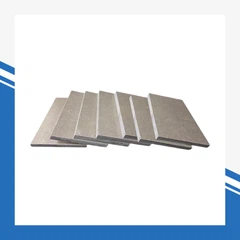
Mica sheet insulation is widely used across industries for its high mechanical strength, excellent electrical insulation, and superior thermal management performance. Critical global standards include UL 1446, UL 94, IEC 60371, IEC 60664, ANSI/NEMA, and IEC 61212. These standards verify fire safety, operational safety, and material quality. Key UL standards especially help manufacturers select safe, reliable mica sheets.
Mica is non‑flammable and long‑lasting, so strict adherence to testing specifications is essential.
Key Summary
Mica sheet insulation is vital for safety in electrical and mechanical systems. It is fire‑resistant and durable, making it a premium, safe choice.
Major UL and IEC standards (e.g., UL 1446, IEC 60371) define testing and application rules for mica sheets. Compliance protects people and ensures high product quality.
Engineers must always review local regulations before selecting mica sheets to meet legal and safety requirements worldwide.
Complete documentation and testing records are critical to prove compliance during inspections.
Avoid mistakes such as skipping tests or using outdated standards. Ongoing training ensures consistent rule compliance and safety.

Mica Sheet Insulation Standards
Purpose of Standards
Standards provide clear guidelines for the safe use of mica sheet insulation. They establish consistent testing and application rules to improve performance, extend service life, and protect workers and end users. Some standards evaluate high‑temperature resistance, while others verify performance under high electrical stress.
Both UL and IEC standards help manufacturers test mica sheets with a focus on safety, quality, and performance.
| Standard | Description |
|---|---|
| UL 1446 | Standard for Insulation Systems |
| IEC 60626 | Composite Flexible Materials for Electrical Insulation |
UL 1446 verifies long‑term thermal stability of insulation systems. IEC 60626 addresses flexible insulating materials. Both help engineers select the right mica sheets for each application and compare products across suppliers.
Industry Guides & Handbooks
Industry manuals provide practical support for installation, testing, and maintenance of mica sheet insulation.
A widely recognized reference:North American Standard Handbook for Commercial & Industrial Insulationpublished by the Midwest Insulation Contractors Association (MICA). Many companies use it as a primary guide for mica sheet insulation.
These guides reduce errors, ensure project safety, and support compliance with UL and other regulations.
Key UL Standards for Mica Sheet Insulation
UL 94 – Flammability
UL 94 measures material behavior in contact with flame. It evaluates whether mica sheet insulation burns or prevents fire spread using a small flame source.
Mica sheets typically pass easily due to low flammability, making them extremely safe for electrical and mechanical uses. UL 94 helps companies select materials that protect workers and equipment from fire hazards.
UL 746 – Polymeric Materials
UL 746 evaluates the safety of polymeric materials in electrical equipment, including mica sheets, under high temperatures, electrical stress, and chemical exposure.
UL 746A focuses on:
High‑voltage resistance and dry tracking performance
Flammability and carbon path formation
Testing using steel rod electrodes with controlled gap and AC voltage
These tests confirm whether mica sheets can perform reliably in harsh environments over time.
UL 1446 – Insulation Systems
UL 1446 is a master standard for integrated insulation systems. It verifies that all components - including mica sheets - work together safely and resist heat and chemicals over time.
| Category | Description |
|---|---|
| Electrical Insulating Materials (EIM) | Insulating materials tested and rated for temperature stability |
| Non‑Insulating Materials (NIM) | Structurally important but non‑insulating components |
| Testing Processes | Full Thermal Aging (FTA) and Chemical Compatibility Testing (CCT) |
UL 1446 ensures long‑term safety and reliability of insulation systems.
ANSI/NEMA Standards
ANSI and NEMA establish additional electrical insulation standards that ensure mica sheet quality, consistency, and performance. They define measurement, testing, and application methods and allow cross‑supplier comparison.
Compliance confirms that insulation performs reliably and durably.

Key IEC Standards for Mica Sheet Insulation
IEC 60371 – Mica Specifications
IEC 60371 specifies testing and measurement requirements for mica sheets, including mechanical strength, flexibility, and suitability for electrical use.
Key clauses:
Clause 8: Tensile strength and elongation at break
Clause 11: Specimen dimensions and stiffness terminology
Clause 13: Compression height tolerances
Clause 16: Dielectric strength requirements
Clause 19: Defect and conductive particle detection
These rules ensure consistent quality and simplify supplier comparison.
IEC 60664 – Insulation Coordination
IEC 60664 provides rules for insulation coordination, defining minimum clearance and creepage distances between electrical parts based on voltage, pollution level, and altitude.
Creepage distance - the shortest path along a mica surface between two conductive points - is critical for safety. Compliance prevents electrical arcing and accidents.
Note: Engineers designing high‑voltage systems must always reference IEC 60664.
IEC 60243 – Electrical Strength
IEC 60243 measures dielectric strength - the maximum voltage mica can withstand before breakdown. Mica has exceptionally high dielectric strength, making it ideal for heavy electrical stress.
| Material | Dielectric Strength (kV/mm) |
|---|---|
| Muscovite Mica | 50 – 150 |
| Phlogopite Mica | 40 – 120 |
| Nomex 410 | 20 – 30 |
| Kapton | 30 – 40 |
Both muscovite and phlogopite mica show excellent electrical strength for motors, transformers, and heavy machinery.
IEC 60674 – Flexible Materials
IEC 60674 covers flexible electrical insulation materials, including mica sheets used for wrapping conductors and components. It specifies thickness, mechanical strength, and electrical safety testing.
This standard ensures flexible mica remains durable even after bending and shaping.
UL vs. IEC Standards: Comparison
Similarities
Both ensure safety of mica sheet insulation
Both define testing and application rules
Both evaluate fire resistance, electrical strength, and durability
Both enable cross‑supplier product comparison
Differences
| Feature | UL Standards | IEC Standards |
|---|---|---|
| Origin | United States | International |
| Primary Region | North America | Global |
| Testing Methods | UL‑specific protocols | IEC‑specific protocols |
| Examples | UL 94, UL 1446 | IEC 60371, IEC 60664 |
Application
Companies selling in North America typically use UL standards. Those selling in Europe, Asia, and most other markets use IEC standards. Many use both to access global markets.
Ensuring Compliance
Manufacturer Steps
To meet UL and IEC standards, manufacturers should:
Follow safety standards to protect people
Meet strict quality requirements for mica sheets
Recycle or dispose of waste safely
Comply with local and global regulations
Compliance builds customer trust and avoids legal penalties.
Verification & Documentation
Manufacturers test samples in laboratories for fire resistance, mechanical strength, and electrical performance. Complete records must be kept for every test.
| Document Type | Purpose |
|---|---|
| Test Reports | Show safety and performance results |
| Certificates | Prove compliance with standards |
| Inspection Records | Track ongoing quality control |
Clear records support audits and customer inquiries.
Common Pitfalls
Companies often make costly mistakes:
Skipping batch testing
Using outdated standards
Poor record‑keeping
Ignoring new regulations
These can lead to unsafe products and legal risks. Regular staff training prevents errors.
Conclusion
Mica sheet insulation must comply with UL 1446, UL 94, IEC 60371, IEC 60664, and ANSI/NEMA standards. These standards ensure safe, reliable products for motors, transformers, electric vehicles, and energy storage systems.
Choosing certified mica sheets guarantees high quality and faster regulatory approval. Experienced buyers always look for these certifications.
FAQ
What makes mica sheet insulation special?
Mica blocks heat and electricity effectively, is highly flame‑resistant, and remains strong in harsh environments. It is safe, stable, and long‑lasting.
Why do companies follow UL and IEC standards?
Standards ensure products are safe and tested consistently. Compliance protects workers, equipment, and end users.
How do engineers test mica sheet insulation?
Engineers perform lab tests for flammability, dielectric strength, flexibility, and tracking resistance. Test reports confirm compliance with standards.
Can mica sheets be recycled?
Some mica sheets can be recycled. Companies must follow local waste and recycling laws to minimize environmental impact.
Where are mica sheets used?
Mica sheets are widely used in motors, transformers, heaters, EV batteries, energy storage systems, and high‑temperature electrical equipment.