










Key Points for Transformer Maintenance
The maintenance requirements for transformers vary by type (oil-immersed, dry-type, etc.) and operating environment. Below are the universal and critical maintenance points for industrial power transformers.

1. Temperature Monitoring and Control
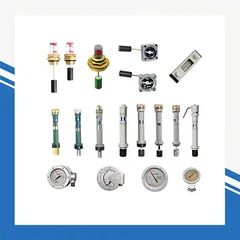
Oil-immersed transformers:Top oil temperature shall not exceed 85°C, and winding temperature (Class A insulation) shall not exceed 105°C.Use thermometers or infrared thermometers for regular inspection. Abnormal temperature rise may indicate overload, poor heat dissipation, or internal faults.
Dry-type transformers:Winding temperature (Class H insulation) is generally limited to 130°C.Ensure cooling fans and natural ventilation work properly, and prevent dust buildup that impairs heat dissipation.
2. Oil Level and Oil Quality Inspection (Oil-immersed Transformers)
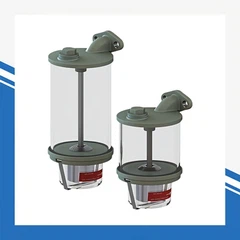
Check that the oil level in the conservator is within the 1/3 to 2/3 range of the oil level gauge.Abnormal oil level may result from oil leakage or temperature changes; replenish oil or locate leaks promptly.
Regularly take oil samples for laboratory testing, including:
Dielectric strength (breakdown voltage ≥ 25kV)
Acidity
Moisture content
Dissolved gas analysis (DGA)These indicators help judge oil aging and potential internal faults.
3. Bushing and Insulation Inspection
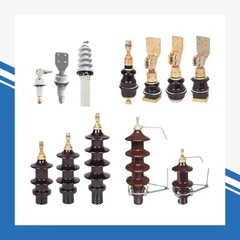
Check bushings for cleanliness, cracks, damage, or discharge traces.Ensure oil level in oil-impregnated bushings is normal and gas pressure in gas-filled bushings meets specifications.
Inspect cable lugs, busbar connections, and terminals for looseness or overheating.Infrared thermometers can be used to verify good contact.
4. Cooling System Maintenance
Check the operation of cooling fans, oil pumps, motor drives, and blade conditions.Confirm correct valve positions and ensure cooling system pressure relationships are satisfied (oil pressure > water pressure).
Regularly clean dust and dirt from radiators, heat sinks, and fan blades to maintain optimal heat dissipation.
5. Inspection of Gas Relay and Protection Devices
Check for accumulated gas in the Buchholz relay. Record gas volume and color, and analyze samples if necessary to identify internal faults.
Inspect pressure relief devices and explosion vents for intactness, oil spray marks, or actuation signals to ensure reliable protection.
6. Earthing System Inspection
Verify that earthing connections for the transformer tank, core clamps, and neutral point are secure, free of rust or breakage.
Measure earthing resistance regularly; the typical requirement is ≤ 10 Ω.
7. Appearance and Structural Inspection
Check the transformer enclosure for deformation or oil seepage, and ensure nameplates are legible.
Inspect the moisture absorber (silica gel breather). Replace silica gel when it changes from blue to pink.
Keep the surrounding area clean, free of weeds and debris, with adequate ventilation and effective measures to prevent small animals from entering.
8. Tap-Changer Inspection
Confirm the tap position of on-load tap changers (OLTC) or off-circuit tap changers is correct.Test contact resistance to ensure it meets standards.
Operate the tap changer periodically to clean contact surfaces and maintain good conductivity.
9. Noise and Vibration Monitoring
A normally operating transformer produces a steady hum.Abnormal noises such as cracking, arcing, or metallic impacts may indicate internal faults and require immediate inspection.
10. Regular Testing and Record Keeping
Conduct routine tests in accordance with standards:
Insulation resistance test
No-load loss test
Short-circuit impedance testCompare results with factory data; investigate further if deviations exceed 5%.
Establish a complete maintenance archive to record inspections, repairs, and test data for condition assessment and life-cycle management.