








What Is a Single-Phase Transformer?
A single-phase transformer is a static electrical device designed to transfer alternating current (AC) power from one circuit to another through electromagnetic induction. It steps voltage up or down without changing frequency, ensuring safe and efficient energy transmission across systems.
Most units consist of:
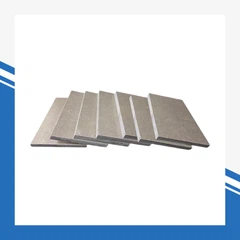
A magnetic core made of laminated silicon steel or amorphous metal, which minimizes energy loss.
Two windings - the primary winding connected to the input source and the secondary winding connected to the output load.
When alternating current flows through the primary coil, it generates a magnetic flux in the core. This flux induces a voltage in the secondary coil, transferring energy with minimal losses - typically achieving efficiency rates above 97% in modern designs.
How Single-Phase Transformers Work
The operation principle is governed by Faraday's Law of Electromagnetic Induction.
When voltage is applied to the primary winding, an alternating magnetic field is created in the core. This magnetic field induces an alternating voltage in the secondary winding proportional to the turns ratio of the coils:
V1V2=N1N2\frac{V_1}{V_2} = \frac{N_1}{N_2}V2V1=N2N1
This means:
If N1>N2N_1 > N_2N1>N2, the transformer steps down the voltage.
If N1<N2N_1 < N_2N1<N2, it steps up the voltage.
The total power remains nearly constant, apart from a small percentage of energy loss due to core and copper resistance.

Common Applications of Single-Phase Transformers
Single-phase transformers are used in thousands of systems worldwide due to their simplicity and reliability. Below are the major application areas:
1. Residential Power Distribution
In countries like Brazil, where 127V and 220V systems coexist, single-phase transformers balance and distribute voltage safely for home lighting, air conditioners, and household appliances.
2. Rural Electrification and Remote Areas
They are cost-effective for long-distance low-load power delivery - essential for farms, small workshops, and community facilities.
3. Commercial and Office Buildings
Used in control panels, HVAC systems, and uninterruptible power supply (UPS) units to maintain voltage stability.
4. Renewable Energy Systems
Single-phase transformers are increasingly integrated into solar and wind power systems, converting generated voltage to grid-compatible levels.
5. Industrial and Automation Equipment
Provide voltage isolation and stabilization for CNC machines, servo motors, and control circuits, ensuring precise and safe operation.
Why They Matter in Emerging Markets
According to data from the International Energy Agency (IEA), more than 40% of new rural power connections in developing countries rely on single-phase distribution systems. This trend is driven by:
Rapid urban expansion and growing demand for decentralized energy supply
Cost-efficiency in installation and maintenance compared with three-phase systems
Compatibility with renewable micro-grids and backup power solutions
In Brazil, for example, utility companies often deploy single-phase transformers in residential neighborhoods and agricultural zones, optimizing the balance between performance and infrastructure investment.
Key Advantages
| Advantage | Description |
|---|---|
| High Efficiency | Energy conversion rates typically exceed 97%, reducing operational costs. |
| Compact Design | Small size and lightweight structure make installation easy in limited spaces. |
| Low Maintenance | Simple structure with fewer moving parts ensures long service life. |
| Cost-Effective | Lower initial and maintenance costs compared to three-phase transformers. |
| Reliable Operation | Stable performance under varying voltage and load conditions. |
Choosing the Right Single-Phase Transformer
When selecting a transformer, B2B buyers should consider several critical factors:
Rated Power (VA/kVA) – Match your expected load requirement to avoid overheating.
Voltage Ratio – Confirm compatibility with input and output voltage standards (e.g., 220/110V, 230/24V).
Insulation Class & Cooling Type – Dry-type for indoor safety; oil-immersed for outdoor performance.
Frequency – Most designs are built for 50/60Hz, suitable for international use.
Manufacturer Reliability – Choose suppliers with proven production capacity, quality certification (ISO, CE, UL), and customization services.
Our Manufacturing Strength
As a professional transformer and insulation material manufacturer, our company provides custom-built single-phase transformers for various industries.
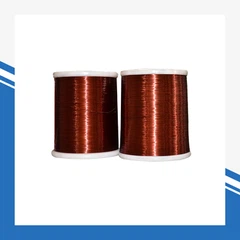
We use high-grade copper or aluminum windings, low-loss laminated cores, and precision testing equipment to ensure product consistency and durability.
Factory Certifications: ISO9001, RoHS, CE
Testing Capabilities: Turns ratio, induced voltage, temperature rise, insulation resistance
Customization: Rated voltage, frequency, size, winding material, and terminal type
Export Experience: Supplying to over 40 countries, including Brazil, Mexico, Turkey, and India
Our engineering team works closely with clients to design solutions that meet exact technical and operational requirements - whether for distribution networks, renewable energy systems, or industrial automation.