


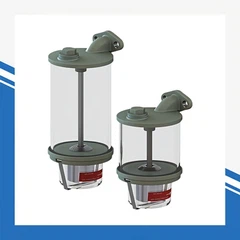





Moisture is one of the main enemies of transformer insulation. Even a small increase in water content-from 20 ppm to 40 ppm-can reduce the breakdown voltage of insulating oil by nearly 30%. This is why international standards pay special attention to transformer breathers and their desiccant performance. For buyers and engineers, understanding the IEC, ANSI, and GB requirements helps in choosing reliable suppliers and avoiding costly failures in the field.

IEC Standards
The International Electrotechnical Commission (IEC) provides the most widely recognized guidelines for transformer accessories. Moisture absorbers fall under IEC 60296 and IEC 60076 series references, where the focus is on:
Moisture control efficiency: The breather must ensure that the relative humidity of incoming air does not exceed 10% under normal conditions.
Desiccant quality: Silica gel or molecular sieve used must meet a residual moisture content of less than 3% before installation.
Mechanical integrity: The housing should withstand UV radiation and outdoor exposure without cracking, which is tested by accelerated aging procedures.
Utilities in Europe and Africa typically require compliance with IEC clauses, and tender documents often state "breather shall comply with IEC 60076."
ANSI/IEEE Standards
In North America, the American National Standards Institute (ANSI) and IEEE guidelines dominate. IEEE C57.12 and C57.106 include recommendations for transformer breathers:
Breather design: Must allow free breathing without oil carryover.
Moisture indicator: Color change should be visible from a distance of one meter.
Maintenance cycle: Utilities are instructed to check and replace desiccants when 70% of the charge has changed color.
Compared with IEC, ANSI standards emphasize operational practices and maintenance guidance, reflecting the U.S. focus on field service reliability.
Chinese GB Standards
China's GB/T 1094 series aligns with IEC but also includes practical requirements tailored to local manufacturing:
Oil cup performance: The sealing oil at the bottom of the breather must remain stable across -40 °C to +40 °C.
Salt spray resistance: Outdoor components are tested for corrosion resistance, important in coastal regions.
Traceability: Manufacturers must provide batch records for silica gel or desiccant materials.
In recent years, many suppliers from China exporting to South America highlight GB/IEC dual compliance to assure buyers of product reliability.

Why These Standards Matter for Buyers
For procurement managers in Brazil and other emerging markets, checking compliance with IEC/ANSI/GB is more than paperwork. It directly impacts:
Transformer service life: Poor moisture control accelerates insulation aging, potentially halving expected lifetime.
Operational safety: Failures linked to moisture ingress can result in unplanned outages, costly fines, and reputational risk.
Supplier credibility: Vendors who certify their absorbers against recognized standards are more likely to deliver consistent quality.
Key Questions to Ask Your Supplier
Which standard (IEC, ANSI, GB) do your moisture absorbers comply with?
Can you provide test reports for desiccant moisture capacity and housing durability?
Do you offer silica gel with international indicator colors (blue-to-pink, orange-to-green) for easier field inspection?
What is the recommended maintenance interval in high-humidity regions like Brazil?
Conclusion
Transformer moisture absorbers may appear to be low-cost accessories, but they are vital for protecting multi-million-dollar assets. Standards such as IEC, ANSI, and GB provide measurable criteria that ensure performance and reliability. For buyers in new growth markets, choosing suppliers who can demonstrate compliance and provide technical support is the best way to safeguard long-term investment.