







1. Understanding the Role of a Single-Phase Transformer
A single-phase transformer is a critical component in low-voltage power distribution systems, responsible for stepping voltage up or down to ensure the safe and efficient operation of electrical equipment. It is widely used in residential, commercial, and small industrial applications-especially in regions where the power grid primarily delivers single-phase AC power.
In emerging markets such as Brazil, where small-scale industries and rural power systems are rapidly expanding, single-phase transformers offer a cost-effective solution for reliable energy transfer. Choosing the right transformer, however, requires understanding several technical parameters that directly affect performance and longevity.
2. Key Factors to Consider When Selecting a Single-Phase Transformer
(1) Rated Power Capacity (kVA)
The rated capacity defines how much load the transformer can handle. Selecting a transformer that matches or slightly exceeds your total load demand (typically 1.2 times higher) helps prevent overloading and overheating.
For example, if your equipment consumes around 8 kVA, choosing a 10 kVA transformer is a safer choice to ensure stable operation and longer service life.
(2) Input and Output Voltage
Always confirm the input (primary) and output (secondary) voltage requirements.
Common voltage combinations include:
220V/110V
380V/220V
440V/220V
Selecting the correct ratio ensures compatibility with both your local grid and connected equipment, preventing efficiency loss or damage to electrical systems.
(3) Frequency and Efficiency
In most countries, the power frequency is 50 Hz or 60 Hz. Using a transformer designed for the correct frequency prevents excessive core losses and noise.
High-efficiency transformers (with efficiency ≥ 95%) significantly reduce energy loss during voltage conversion, which is crucial for long-term operational savings in industrial settings.
(4) Insulation Class and Temperature Rise
The insulation system determines how well the transformer withstands heat.
For industrial applications, insulation classes such as Class B (130°C) or Class F (155°C) are recommended.
Lower temperature rise means better cooling and longer life expectancy-key factors for buyers who prioritize reliability and durability.
(5) Cooling Method
Single-phase transformers typically use:
Dry-type (air-cooled): Ideal for indoor or clean environments.
Oil-immersed: Better for outdoor or high-load conditions due to superior heat dissipation.
Oil-immersed transformers also offer longer life spans and stable performance under heavy-duty applications.
Application Scenarios for Single-Phase Transformers
Single-phase transformers are widely used in:
Rural power distribution networks
Residential energy supply systems
Small machinery and industrial equipment
Lighting and HVAC systems
Solar and renewable energy projects
In regions like Latin America and Southeast Asia, where distributed power networks are common, single-phase transformers are an essential part of the local electrical infrastructure.
4. Common Mistakes to Avoid
Many buyers make the mistake of focusing only on price, ignoring technical parameters such as core material or insulation class.
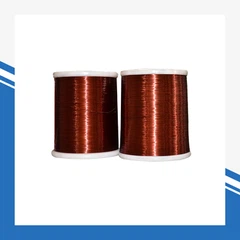
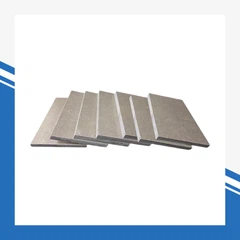
Using low-grade silicon steel or substandard winding materials can lead to:
Higher no-load losses
Overheating during operation
Shortened transformer lifespan
Choosing a manufacturer that provides copper or aluminum windings with verified insulation performance and ISO-certified production lines ensures long-term reliability and safety compliance.
5. Why Partner with a Reliable Transformer Manufacturer
When sourcing single-phase transformers, working directly with a manufacturer ensures:
Customization flexibility (voltage ratio, frequency, connection type, and mounting)
Strict quality inspection and testing
Faster technical support and delivery
OEM/ODM production capability for project-specific designs
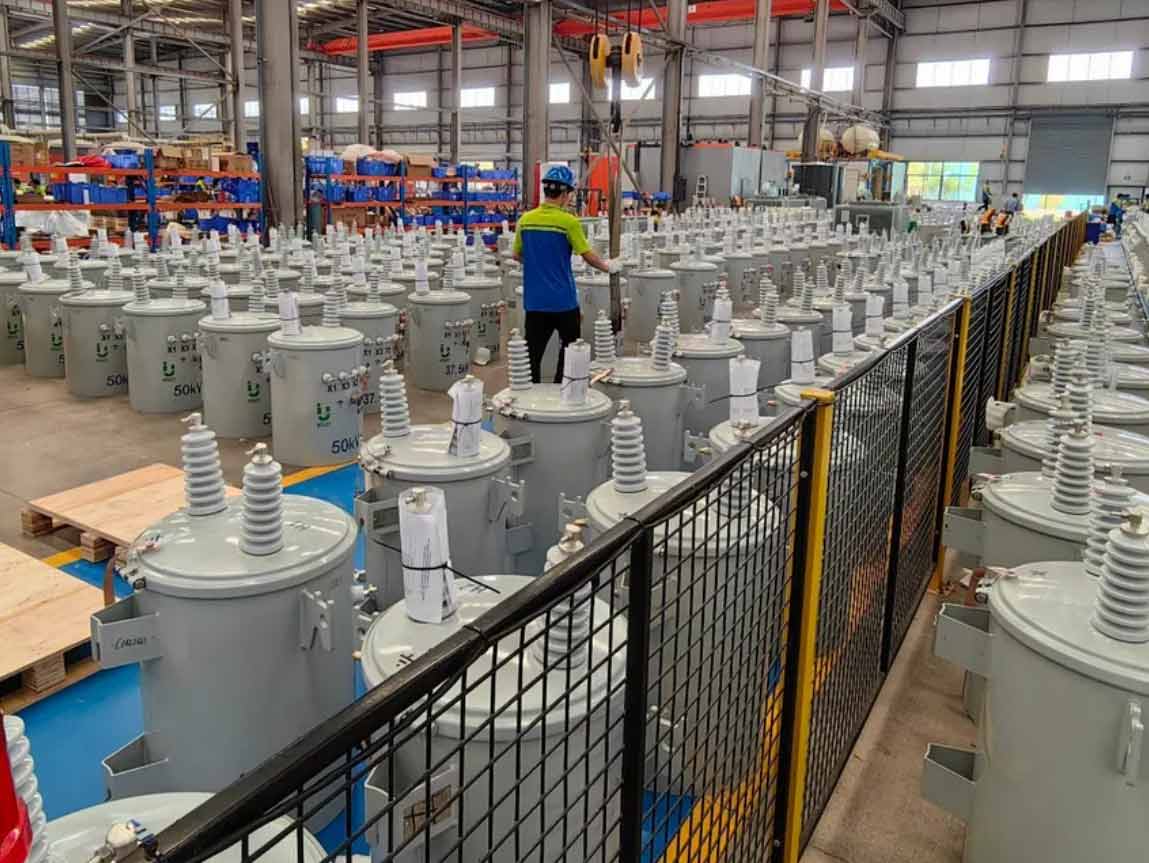
Our company specializes in producing single-phase transformers for distribution and industrial applications, with a full range of power ratings, insulation grades, and designs to meet your specific market requirements.
All transformers are tested for efficiency, insulation resistance, and temperature rise, following IEC and GB standards, to guarantee safety and performance under various conditions.