

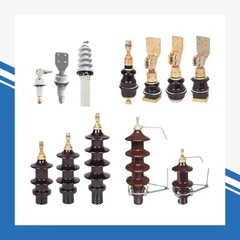





Porcelain insulators remain one of the most widely used insulating materials in high-voltage systems because of their long-term stability and mechanical robustness. But many buyers-especially from transformer factories, EPC contractors, and utility companies-often overlook one critical factor that directly determines the insulator's lifespan and electrical reliability: the glazing technology applied to the porcelain surface.
The glaze is not merely for appearance. It plays a fundamental role in resisting pollution, moisture, salt, UV exposure, and surface tracking. Understanding how glazing works helps buyers evaluate product quality beyond basic dimensions and ratings.
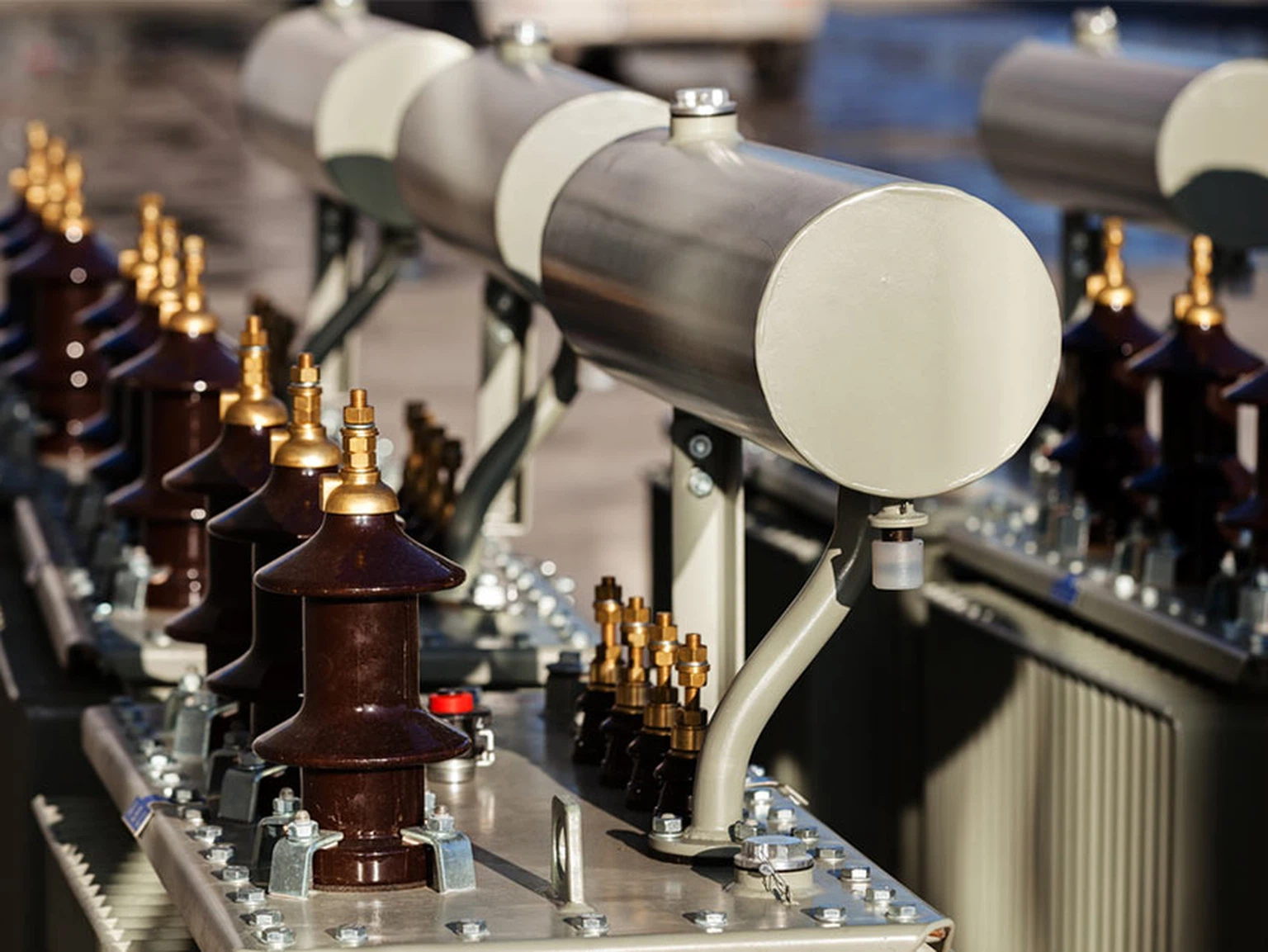
1. What Is Glazing in Porcelain Insulators?
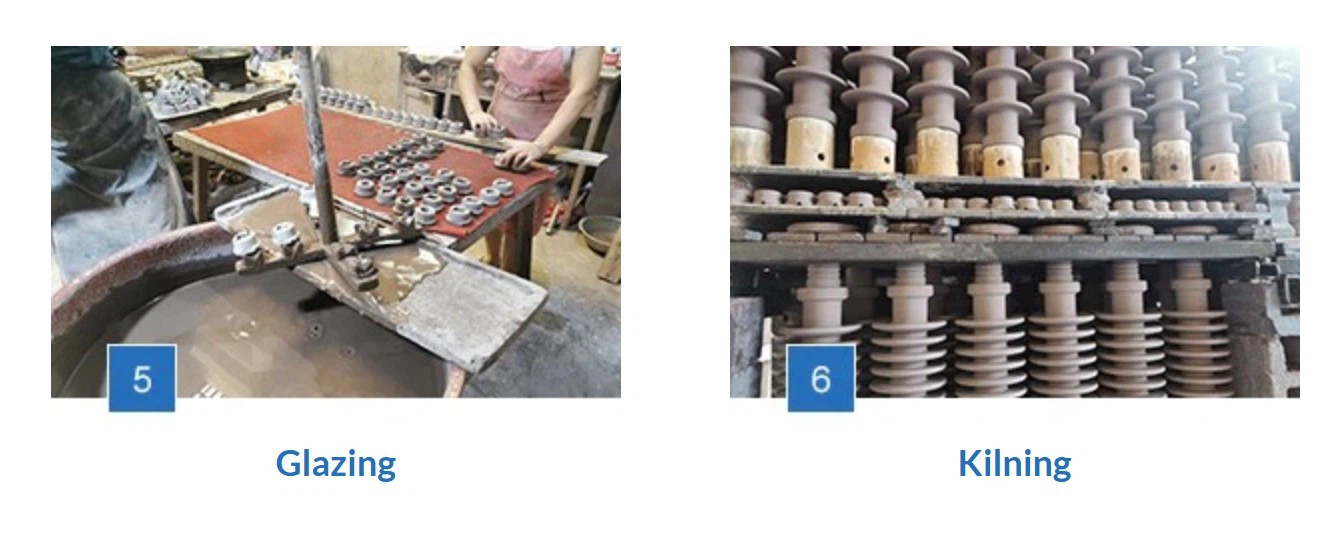
Glazing is the process of applying a vitreous (glass-like) coating to the surface of fired porcelain.
After application, the insulator is fired again at temperatures typically between 1,050°C and 1,250°C, which fuses the glaze into a hard, chemically stable surface.
A well-executed glaze layer results in:
High surface smoothness
High hydrophobicity
Strong resistance to contaminants
Low water absorption (<0.5%)
Stable insulation performance under wet or polluted conditions
In short, the glaze is the frontline defense of the insulator.
2. How Glazing Technology Enhances Surface Performance
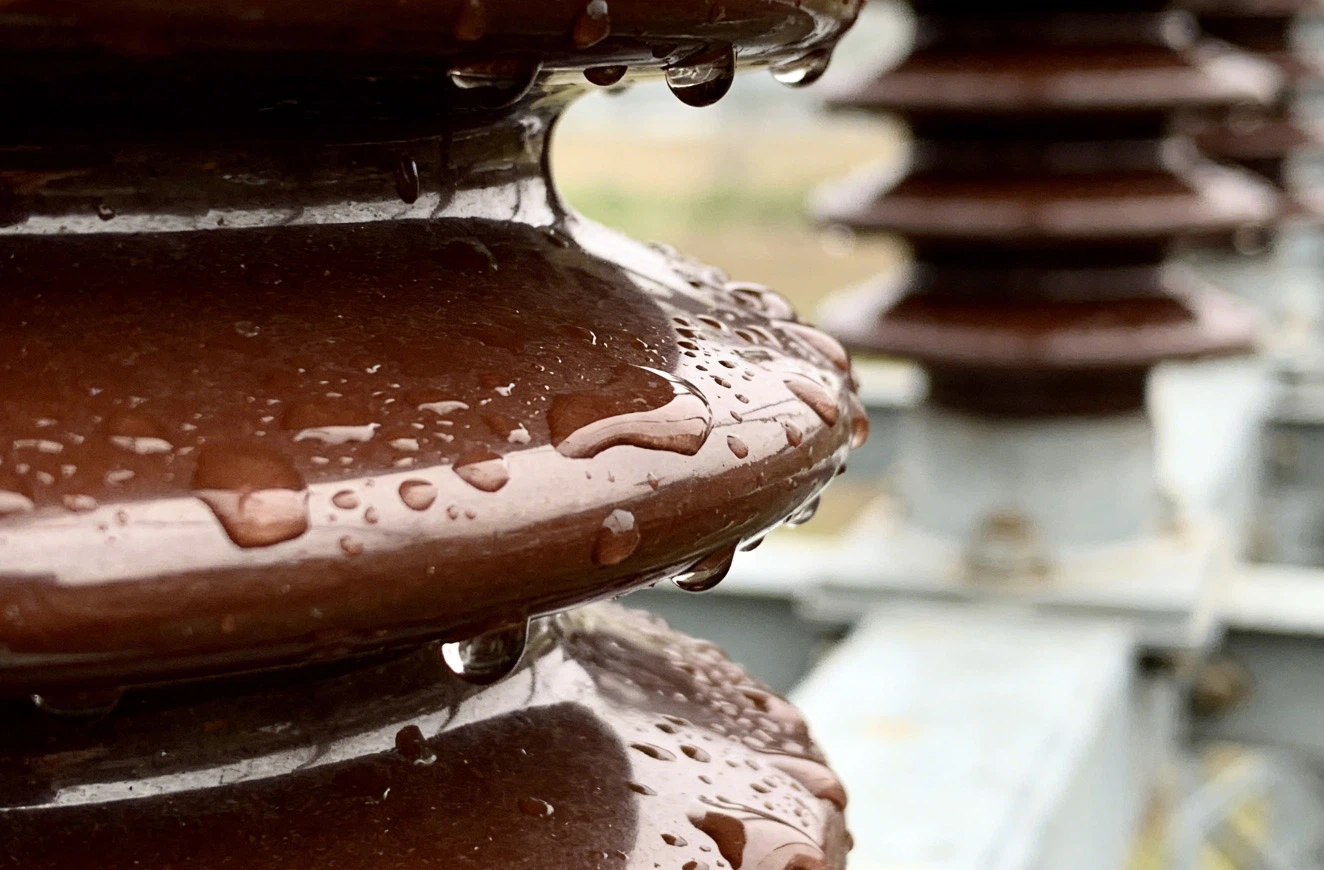
Improved Hydrophobicity: Water Repels Instead of Sticking
A high-quality glaze creates a smooth and non-porous surface, causing water to bead and roll off quickly.
This significantly reduces:
Flashover risk during heavy rain
Surface leakage currents
Contamination accumulation
Hydrophobicity is a key factor affecting the performance of insulators in tropical or coastal countries such as Brazil, Malaysia, Indonesia, and Turkey.
Enhanced Pollution Resistance
Industrial pollution, dust, coal ash, and salt deposits easily accumulate on rough or porous surfaces.
Glazed porcelain provides:
-Glass-like smoothness, reducing pollution adhesion
-Better self-cleaning through rain and wind
-Lower risk of dry-band arcing and tracking
-This is why porcelain with advanced glaze coating performs exceptionally well in:
-Coastal substations
-Industrial zones with airborne contaminants
-High humidity environments
UV and Weathering Resistance for Decades
Unlike polymer-based materials, the glaze on porcelain is inorganic, meaning it does not degrade under ultraviolet exposure.
Benefits include:
-No surface chalking
-No UV-induced aging
-No structural weakening over time
-This is one reason porcelain insulators can remain in service for 25–40 years or more with minimal maintenance.
Reduced Water Absorption and Moisture Penetration
Water absorption is one of the most critical metrics for outdoor insulators.
High-quality glaze ensures:
-Water absorption rate < 0.5%
-No moisture penetration into the porcelain body
-Better dielectric stability under wet conditions
-For countries with high rainfall like Brazil, this is a major reliability advantage.
3. Types of Glaze Used in High-Voltage Porcelain Insulators
Not all glaze coatings are the same. Manufacturers typically use variations of:
1. Standard Gloss Glaze
High smoothness
Good hydrophobicity
Widely used in distribution & substation insulators
2. High-Pollution-Resistant Glaze
Thicker and more chemically resistant
Ideal for heavy industry or coastal salt-fog regions
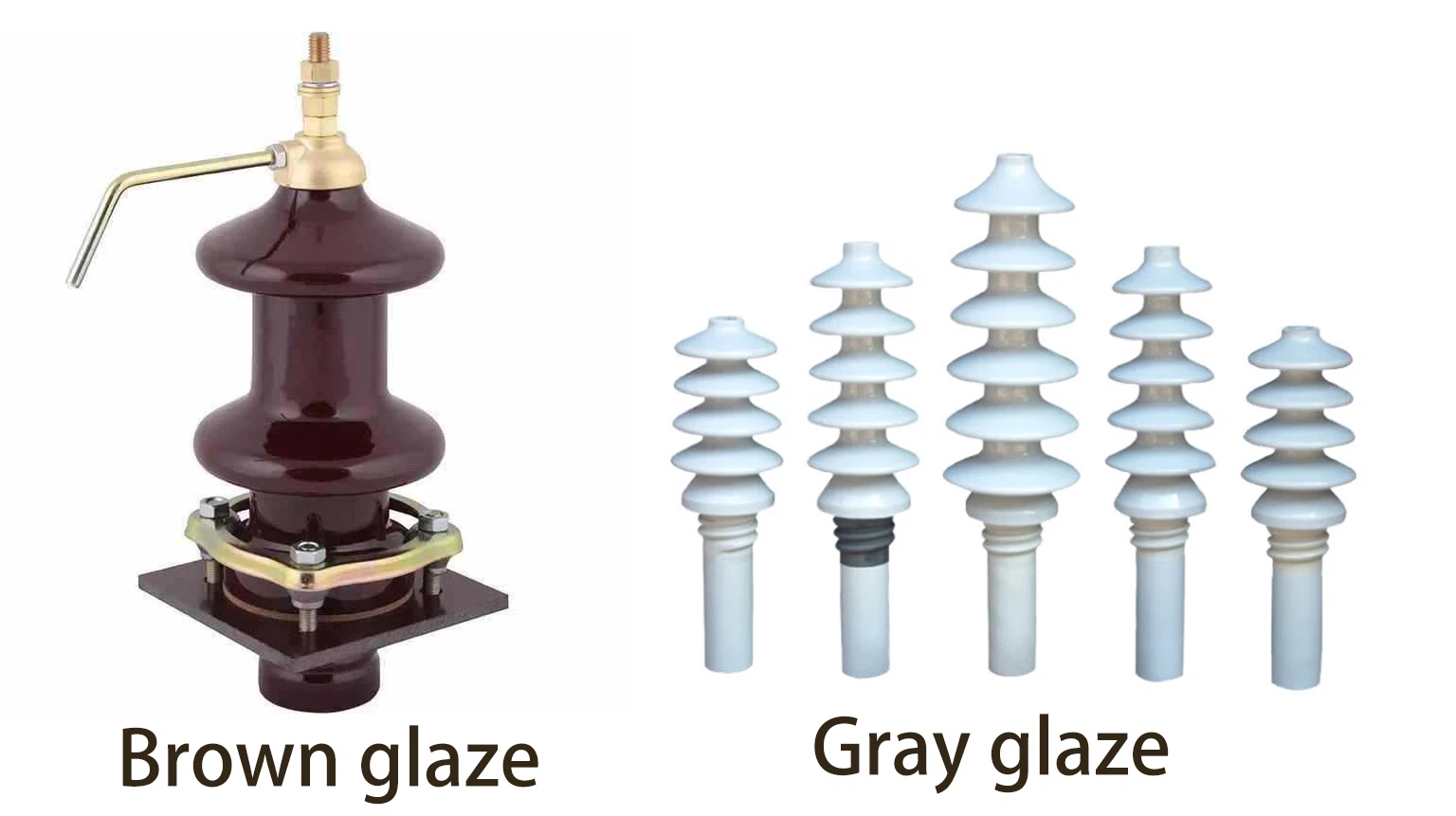
3. Brown/Gray Glaze (Anti-Contamination Colors)
Better UV reflection
Reduced visual contamination detection
Often preferred in transformers and switchgear applications
4. Why Glazing Quality Should Be a Key Purchasing Standard
For B2B buyers, especially manufacturers and EPC contractors, glazing quality directly impacts:
-Lifespan of the insulator
-Frequency of maintenance
-Safety performance under extreme weather
-Total cost of ownership (TCO)
Poor glazing can lead to:
-Faster pollution accumulation
-Surface tracking
-Increased flashover risk
-Shortened lifespan
Evaluating the glaze quality is as important as checking mechanical or electrical ratings.
5. How to Evaluate Glazing Quality When Buying Porcelain Insulators
Buyers can assess glaze quality using the following methods:
A.Visual Inspection
Smooth, even surface
No pinholes or rough patches
Consistent color and gloss
b.Water Drop Test
Droplets should bead rather than spread.
c.Salt-Fog Test Reports
A good glaze significantly improves performance in salt-mist chamber results.
d.Adhesion Test
High-quality glaze adheres tightly to the porcelain body with no flaking.
e.Manufacturer's Firing Temperature Control
Stable firing temperature ensures proper fusion of the glaze.
Glazing is one of the most critical yet often overlooked aspects of porcelain insulator performance. A high-quality glaze enhances hydrophobicity, pollution resistance, UV stability, and overall dielectric performance-ensuring decades of reliable outdoor service with minimal maintenance.
For buyers in high-voltage equipment, power utilities, and transformer manufacturing, understanding glazing technology provides a powerful advantage in selecting reliable, long-life insulators.