









Low-Voltage Reactive Power Compensation Cabinet: Sizing kvar to Cut Power Factor Charges
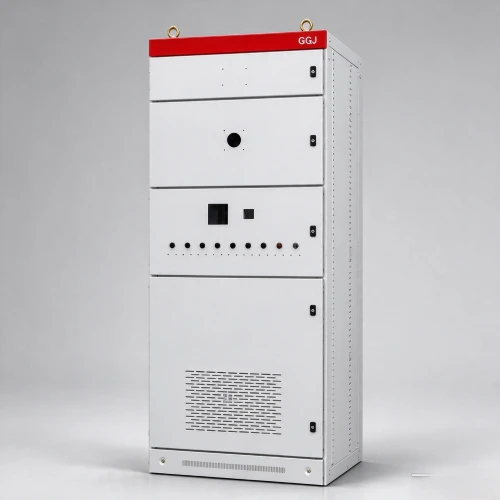
GGJ is a low-voltage reactive power compensation cabinet for 380 V / 400 V, 50 Hz systems, with a compensation capacity from 20 to 400 kvar and a power factor improvement target of 0.95 and above. It is not a generation asset and it does not reduce the energy your plant consumes - it reduces what the utility charges you for consuming it, by supplying reactive current locally instead of drawing it across the grid.
Why the electricity bill is the real specification
Utilities bill two things: active energy (kWh) and reactive energy or peak reactive demand (kvarh / kvar). A plant running at a power factor of 0.80 pays a penalty that a plant at 0.95 does not, and it also carries higher losses in its own cables and transformers because the same reactive current has to travel further.
That makes kvar sizing a financial calculation, not a catalogue selection. The inputs are the existing power factor, the target power factor, and the active load profile - and the output is a capacitor rating that is neither undersized (still penalised, capacitors run at full output continuously) nor oversized (leading power factor, overvoltage, and capacitor stress).
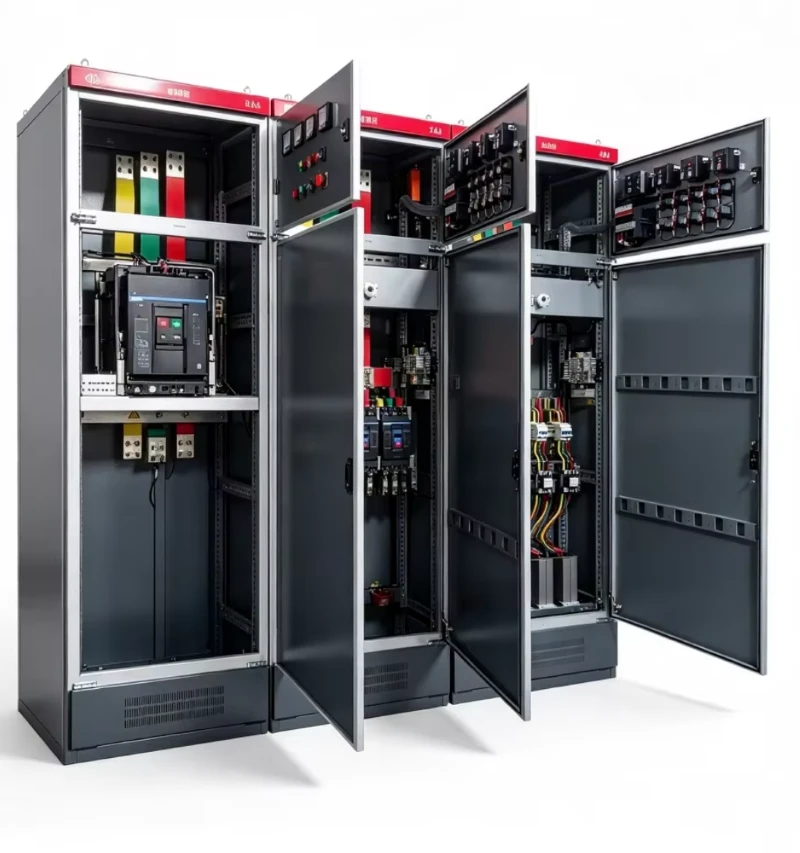
Three details that decide whether compensation works
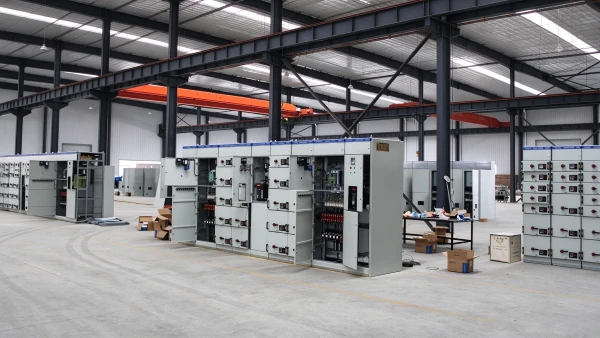
Staging, not one big bank
Loads vary through the day. A single fixed bank sized for peak will over-compensate at night, pushing the plant into a leading power factor. GGJ uses step-switched capacitor groups with automatic control, so the connected capacity tracks the actual reactive demand.
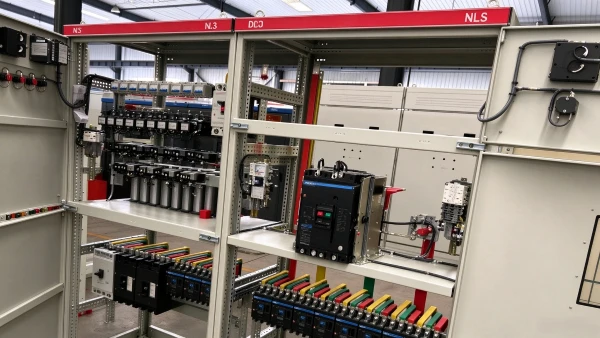
Harmonics change the capacitor you need
Capacitors and harmonic sources interact: a plain capacitor bank in a plant full of variable frequency drives and rectifiers can form a resonant circuit and fail early. Where non-linear load is significant, the correct selection is a detuned reactor-equipped bank with a tuning frequency chosen to sit below the dominant harmonic order. Ask for a harmonic assessment before fixing the specification.
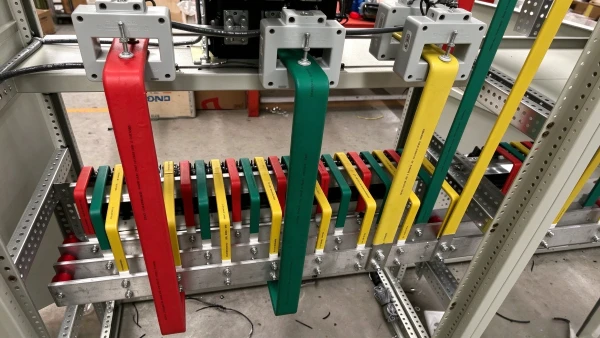
Where the bank is connected matters
Compensation at the LV main board relieves the transformer and the incoming cable. Compensation at a distant motor group relieves only the cable downstream of it. Most plants want the main-board solution; large single loads with long cable runs justify local compensation.
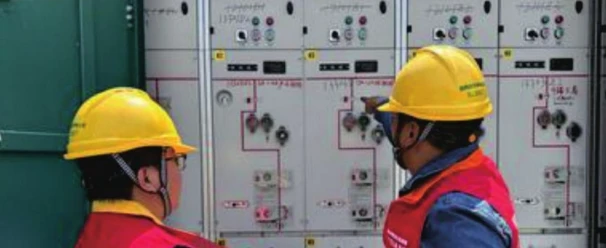
Key advantages
- intelligent reactive power compensation
- improved power factor and reduced line loss
- Stable operation and energy efficiency
- Compact structure and easy maintenance
- Suitable for industrial and commercial distribution
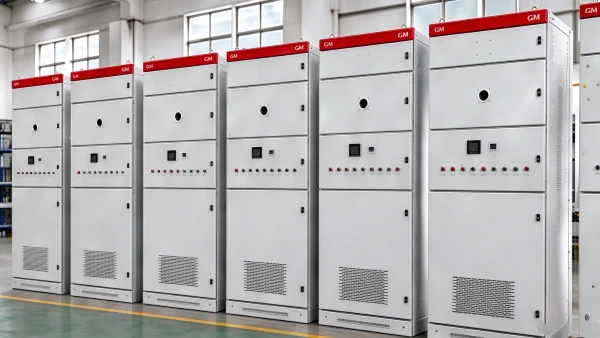
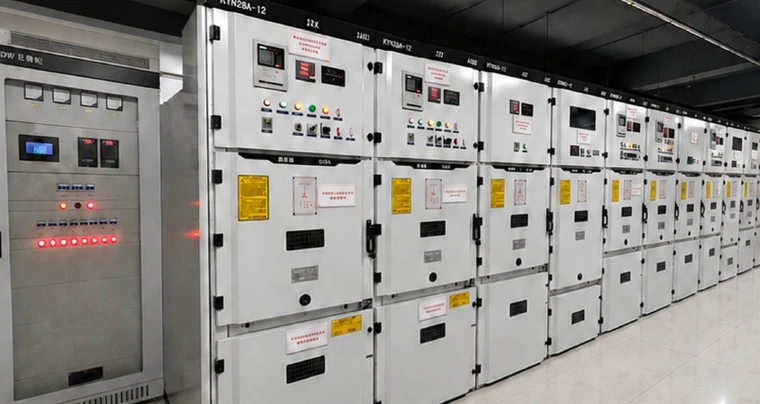
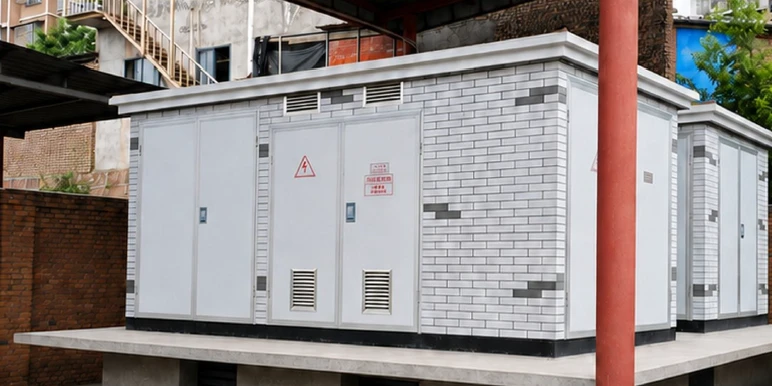
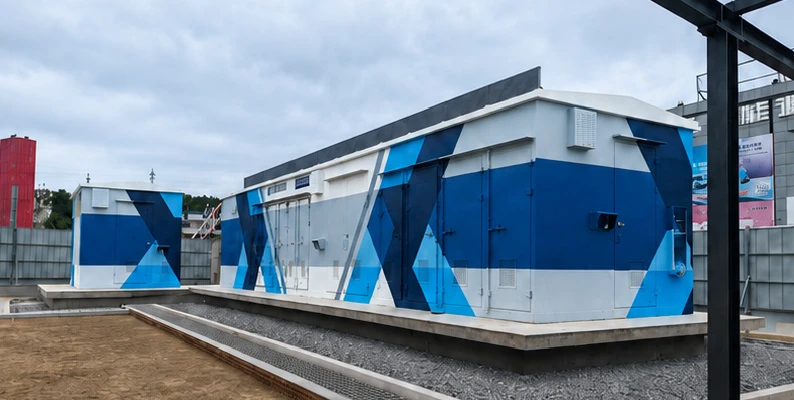
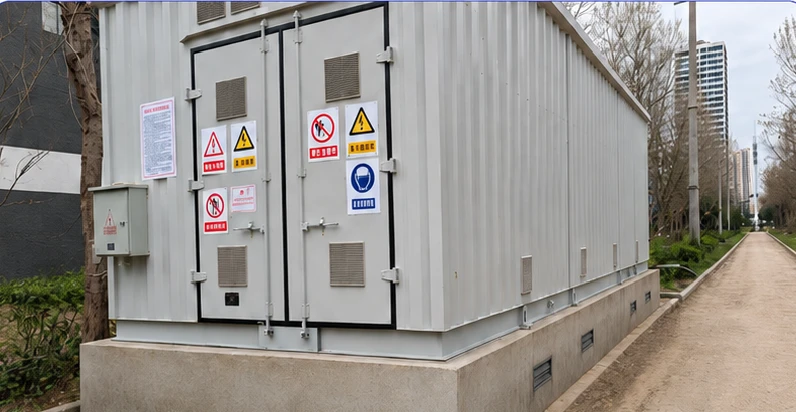
Project site photos
Technical data
| Item | Value |
|---|---|
| Rated voltage | 380 V / 400 V |
| Rated frequency | 50 Hz |
| Compensation capacity | 20–400 kvar |
| Power factor improvement | Up to 0.95+ |
| Installation | Indoor |
| Cabinet type | Reactive power compensation / Capacitor cabinet |
Typical applications
Distribution rooms, industrial plants, commercial buildings, substations and infrastructure projects with inductive load - motors, transformers, induction furnaces, welding equipment, HVAC chiller plants.
What to send for a correct kvar rating
Monthly utility bills showing active and reactive energy, the transformer rating and impedance, a load list with motor ratings, and the proportion of non-linear load (VFDs, rectifiers, UPS). With those four, the capacity and the switching steps can be fixed without guesswork.
FAQ
Can compensation raise my power factor above 0.95?
It can, and that is not always desirable. Oversized banks produce a leading power factor at light load, which causes overvoltage and can attract a different utility penalty. The controller should switch steps out as load falls; sizing must assume the minimum load, not the maximum.
Do I need reactors in the capacitor cabinet?
Only if harmonic distortion is meaningful. In plants with significant VFD or rectifier load, detuned reactors are effectively mandatory to avoid resonance. Tell us the drive population and we will advise on the configuration rather than defaulting to a plain bank.
Will compensation reduce my kWh consumption?
No. It reduces kvar charges and lowers losses in cables and transformers, which shows up as a small kWh reduction on the distribution side. Treating a capacitor bank as an energy-saving device is the most common misunderstanding in this category.
How is the cabinet coordinated with my main switchgear?
It is a normal outgoing feeder: a breaker or switch-fuse in the LV board feeds the capacitor cabinet, with the controller taking a CT signal from the incomer. Keep the compensation cubicle adjacent to the main board to shorten the capacitor cable.
Hot Tags: low-voltage reactive power compensation cabinet, China low-voltage reactive power compensation cabinet suppliers