









Working Principle of Transformer Moisture Absorber (Breather)
The transformer moisture absorber (breather) is an air purification device installed on the conservator breather pipe. Its core working principle can be broken down into the following steps:
Air Breathing CycleAs the transformer oil temperature rises or falls (due to load changes or ambient conditions), the oil expands or contracts. This causes the conservator to "breathe": drawing in outside air when the oil level drops, and expelling air when the oil level rises.
Moisture Adsorption by Silica GelThe air entering the conservator passes through the absorber's desiccant chamber, which is filled with silica gel beads (available in white or blue).
Blue silica gel: Changes from blue to pink as it absorbs moisture, providing a visual indicator of saturation.
The porous structure of the silica gel adsorbs water vapor from the incoming air, drying it before it reaches the transformer oil.
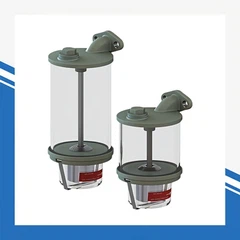
Dust Filtration (Oil Cup Type):For oil cup-type absorbers, incoming air first passes through the oil seal at the bottom. The oil traps dust, debris, and large moisture droplets, preventing them from entering the silica gel and the transformer tank. The dried, filtered air then moves upward through the silica gel layer for final purification.
Protective Effect on Transformer Oil:By removing moisture and impurities from the incoming air, the absorber prevents water from mixing with the transformer oil. This maintains the oil's insulating strength, slows down oil aging, and protects the transformer's internal insulation components from moisture damage.
Maintenance Notes for Transformer Moisture Absorbers
Silica Gel Inspection & Replacement
Check the color of the silica gel regularly. Replace the desiccant when blue silica gel turns light pink (indicating saturation).
Regenerated silica gel must be completely cooled to room temperature before reinstallation to avoid causing a vacuum in the breather pipe.
When replacing silica gel, ensure the desiccant layer is kept loose and evenly distributed to prevent air flow blockage.
Oil Cup Maintenance (Oil Cup Type)
Check the oil level and clarity of the oil cup monthly. Top up with clean transformer oil if the level is low, and replace the oil if it becomes dirty or turbid.
Ensure the oil seal in the cup is intact to maintain the dust filtration function. Clean debris from the oil cup during maintenance.
Leakage & Air Tightness Check
Inspect the housing, flange connections, and seals for cracks or air leaks. Air leaks will reduce the drying efficiency of the absorber.
Tighten loose flange bolts evenly and replace aged or damaged sealing gaskets to prevent unfiltered air from entering.
Structural & Installation Inspection
Verify the absorber is installed vertically at all times. Tilted installation can cause uneven distribution of silica gel and affect the drying effect.
Check the breather pipe and connecting components for blockages, deformation, or corrosion. Clean the pipe opening to ensure smooth air flow.
Regeneration & Handling of Silica Gel
Regenerate saturated silica gel by heating it at 120–150°C until it turns blue again. Avoid overheating, which can damage the desiccant.
Store regenerated or new silica gel in airtight containers to prevent moisture absorption before installation.
Safety & Environmental Protection
When disassembling the absorber, handle the glass/plastic housing carefully to avoid breakage and injury.
Dispose of waste silica gel in accordance with local environmental regulations; do not discard it directly.