








Transformer Rollers and Lifting Ears: Manufacturing Methods, Load Capacities, and Custom Solutions
When sourcing heavy-duty hardware for power and distribution transformers, engineering precision, material integrity, and structural reliability are paramount. For B2B procurement managers, electrical equipment manufacturers, and substation contractors, selecting the right components-such as transformer rollers, transformer wheels, and transformer lifting ears-ensures safe transport, installation, and long-term operational stability.
As a specialized supplier of power transformer accessories and insulation materials, Weshare Insulation provides custom-manufactured components built strictly to client specifications. In this guide, we explore the manufacturing techniques, load capacity considerations, specifications, and complementary hardware associated with industrial transformer rolling mechanisms.
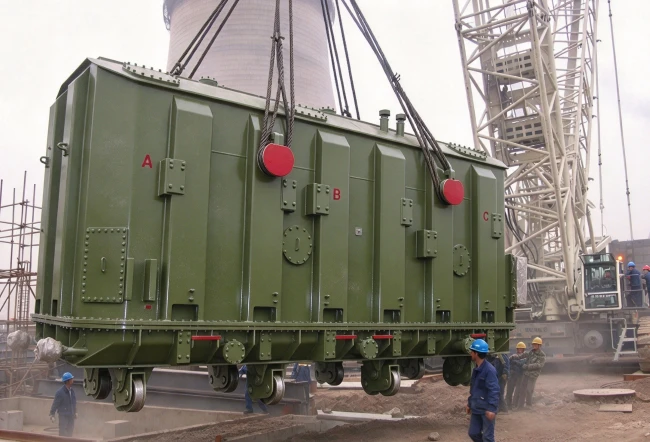
1. Core Function of Transformer Rollers and Wheels
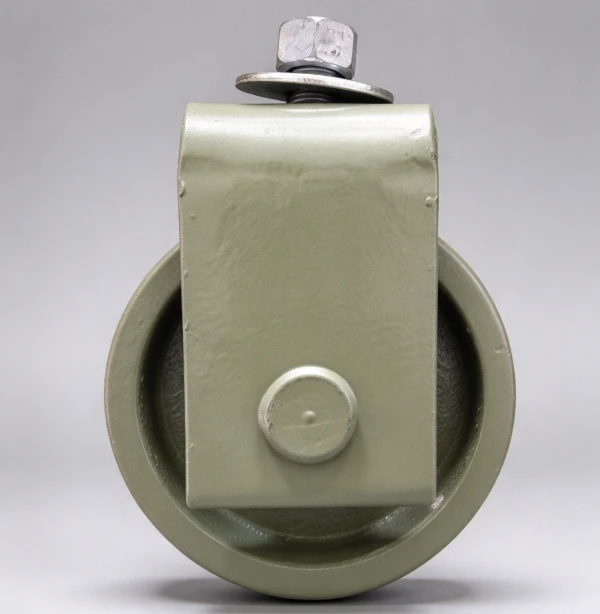
Transformer rollers (frequently referred to as transformer wheels, bi-directional wheels, or flanged roller assemblies) are essential mechanical components installed at the base of large oil-immersed power transformers. Their primary functions include:
Mobility & Positioning: Allowing heavy transformers to be moved smoothly along rail tracks or flat foundations during factory assembly, substation installation, or routine maintenance.
Load Distribution: Supporting the immense static weight of the transformer tank, core, windings, and cooling oil without structural deformation.
2. Manufacturing Methods: Cast Iron vs. Fabricated Steel Plates
When designing transformer wheels and rollers, the choice of manufacturing method significantly impacts mechanical performance, surface finish, and cost. The two traditional methods are casting and fabrication using steel plates.
Option A: Cast Iron / Cast Steel Transformer Wheels
How it's made: Molten metal is poured into a mold to form the wheel shape.
Pros:
Easily conforms to complex geometrical designs and legacy engineering drawing requirements.
Good vibration-damping properties.
Cons:
Prone to internal micro-porosity or hidden casting defects.
Lower tensile strength and impact resistance compared to wrought steel.
Rougher surface finish requiring additional machining.
Option B: Fabricated Steel Plate Transformer Rollers (Recommended)
How it's made: Precision-cut from high-grade structural steel plates and assembled via advanced welding and machining processes.
Pros:
Superior Strength & Structural Integrity: Steel plate construction offers higher tensile and yield strength, minimizing the risk of catastrophic cracking under extreme loads.
Flawless Surface Finish: Yields a smoother, more uniform surface profile, reducing rolling friction on tracks.
Enhanced Durability: Better resistance to impact shocks during heavy transit.
Cons:
Can be limited by strict legacy specifications if the end-user's engineering standards rigidly mandate traditional casting drawings.
Engineering Note: While our factory strongly recommends steel plate fabricated transformer rollers for their superior strength, smoother surface, and long-term reliability, we fully accommodate custom manufacturing based on client blueprints. Whether your project requires cast iron wheels or fabricated steel solutions, we produce exactly what your engineering drawings demand.
3. Understanding Transformer Roller Load Capacities (Static Load)
In heavy electrical equipment, static load capacity is the maximum stationary weight a transformer roller or wheel assembly can safely support without permanent deformation or structural failure.
Because every transformer design varies in weight distribution, center of gravity, and tank dimensions, roller load ratings must be calculated with a rigorous safety factor. Below is an analysis of standard specifications commonly requested by B2B buyers:
Analysis of Common Specifications:
D125X10MM & D160X14MM:
Characteristics: These designations typically refer to the wheel diameter ($125\text{ mm}$ and $160\text{ mm}$) and axle/bore specifications (e.g., $10\text{ mm}$ or $14\text{ mm}$ pin/shaft tolerances, or profile dimensions depending on custom standards).
Load Profile: Ideal for medium-sized distribution transformers. Their compact footprint handles moderate static loads, making them suitable for factory-floor assembly and lighter substation units.
KZPM20L1, KZPS30L21, & KZPS40L31:
Characteristics: These are specialized industrial series codes (often found in European or global OEM specifications) representing heavier duty ratings.
Load Profile: Designed for heavy-duty power transformers. As the series scale increases (from KZPM20 to KZPS40), the structural thickness, wheel width, and bearing capacity scale up proportionally to support massive static loads-often ranging from several tons to tens of tons per wheel assembly when distributed across a multi-wheel base.
Note: Exact safe working load (SWL) limits depend on the specific grade of steel, axle diameter, and housing design provided in your engineering drawings.
Product display
Transformer wheels
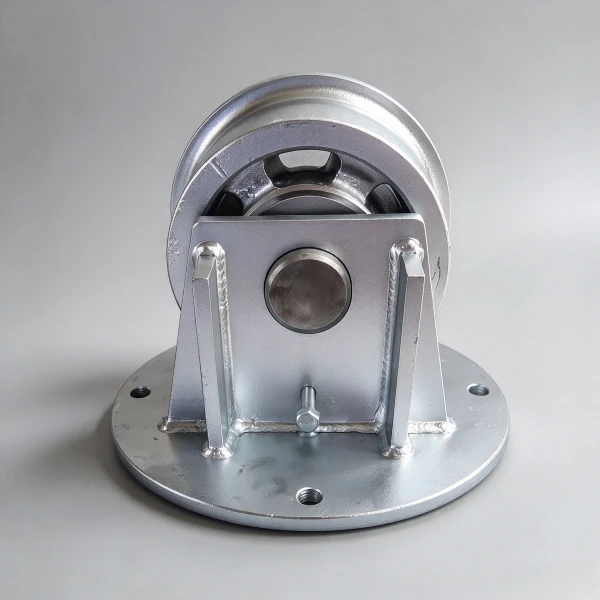
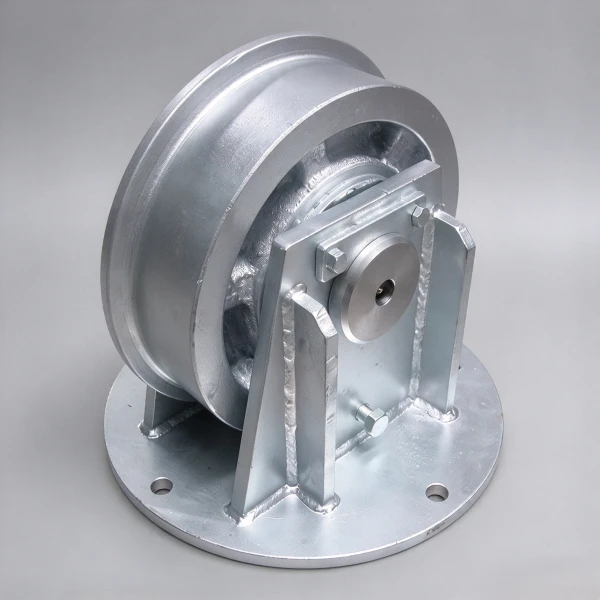
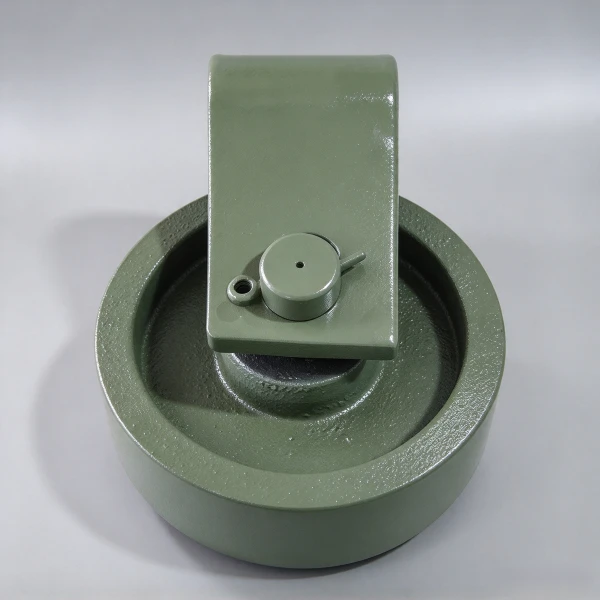
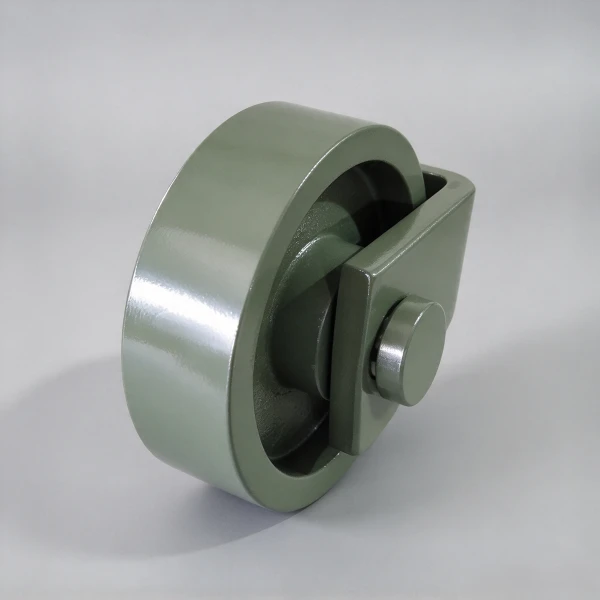
4. Complementary Hardware: Transformer Lifting Ears
To ensure safe handling during logistics and installation, transformer wheels and rollers are frequently paired with transformer lifting ears (also known as lifting lugs or tank lifting plates).
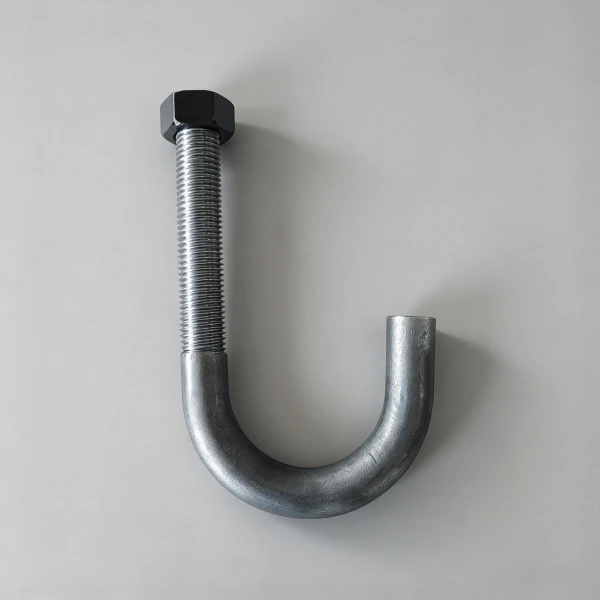
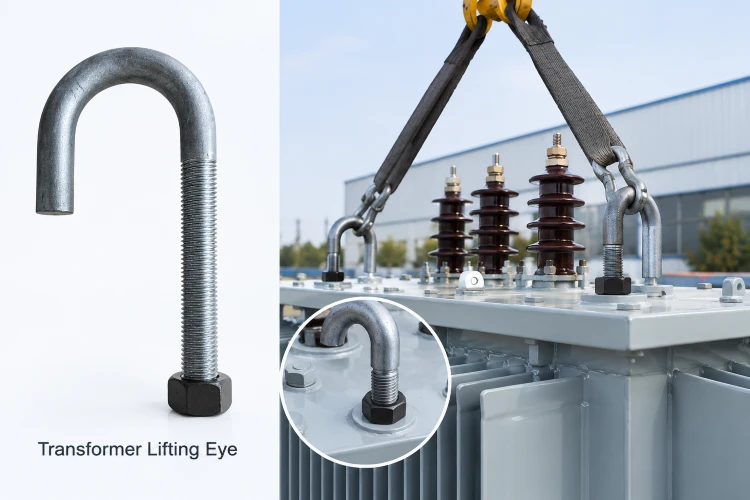
A transformer lifting eye (often referred to as a lifting lug) is a dedicated load-bearing component designed for the safe hoisting, movement, and installation of heavy transformers. Because transformers are exceptionally heavy (ranging from dozens of kilograms to hundreds of tons) and contain sensitive internal components and insulation oil, the design and application of these lifting points are bound by strict safety standards.
Core Types and Structures
Fixed Plate Lifting Lugs: Welded directly or secured with high-strength bolts to the transformer tank walls or top structural steel. They are precisely profile-cut from heavy steel plates.
Swivel / Rotatable Eye Bolts: Commonly used for small to medium-sized transformers. Installed on the top cover, they automatically align with the rigging angle to prevent dangerous lateral twisting.
Tank Lugs vs. Core Lugs: Transformers usually have "outer tank lugs" used for moving the entire unit, and internal "core lifting lugs" used strictly for lifting the internal core assembly during maintenance or inspections.
Key Functions & Safety Considerations:
Hook Attachment: They provide secure anchor points for crane slings, shackles, and rigging equipment, allowing operators to safely lift, tilt, transport, or install the fully assembled transformer.
Rigorous Quality Standard: Because lifting ears bear the entire dynamic weight of the transformer during a lift, they must be fabricated from certified structural steel with complete weld-seam inspections (such as Non-Destructive Testing / Magnetic Particle Inspection).
5. Custom Manufacturing: Built to Your Drawings
No two transformer manufacturers use identical footprints. Tank sizes, rail gauges, and clearance requirements vary widely across the power industry.
At Weshare Insulation, we excel in meeting stringent international enterprise standards. We currently maintain direct supply relationships with global industry leaders such as ABB (now Hitachi). This extensive experience working with tier-one multinational corporations proves our comprehensive capability to meet strict global quality audits, complex technical compliance criteria, rigorous delivery schedules, and advanced manufacturing standards.
Whether you need high-strength steel plate fabricated transformer rollers, traditional cast transformer wheels, or heavy-duty lifting ears built strictly to your engineering drawings, we deliver precision you can count on.
Why Partner With Us?
Proven Enterprise Supply Record: Extensive, trusted experience working directly with global heavyweights like ABB (now Hitachi), proving our capability to manage tier-one global procurement standards.
Custom OEM/ODM Capability: Tailored dimensions, tight tolerances, and customized surface finishes built strictly to client blueprints.
Material Traceability & Rigorous QA: High-grade structural steel and certified raw materials inspected for maximum structural safety.
Integrated Sourcing Solution: A single reliable source for transformer rollers, transformer wheels, lifting ears, and high-performance insulation materials.
Ready to source high-reliability transformer accessories? Visit our website at We Share Insulation or contact our engineering sales team today to submit your drawings for a fast, competitive quotation.