






The Role of Insulation Materials in Dry-Type Transformers: Ensuring Safety, Efficiency, and Longevity
Insulation materials are the unsung heroes of dry-type transformers, forming the invisible barrier that prevents electrical faults, ensures safe operation, and enables these critical power distribution devices to perform reliably for decades. In dry-type transformers, which operate without the protective and cooling properties of mineral oil, insulation materials must fulfill three core functions: electrically isolating live components from each other and from grounded parts, providing mechanical support to fragile windings and coils, and withstanding high operating temperatures to prevent thermal degradation. The performance of these materials directly impacts the transformer's voltage rating, temperature class, efficiency, and overall safety, making the selection of high-quality insulation materials one of the most critical decisions in transformer design and manufacturing. This article explores the key types of insulation materials used in dry-type transformers, their properties, applications, and the importance of adhering to international standards to ensure optimal performance and compliance.
At the heart of a dry-type transformer's insulation system lies a layered structure of materials, each tailored to meet specific electrical, thermal, and mechanical requirements. The primary insulation system is divided into three main categories: winding insulation, core insulation, and structural insulation. Winding insulation, the most critical component, surrounds the copper or aluminum conductors in the transformer's coils, preventing electrical breakdown between adjacent turns, layers, and phases. Core insulation separates the transformer's magnetic core (which is grounded) from the live windings, eliminating the risk of short circuits between the core and coils. Structural insulation, on the other hand, provides mechanical support and spacing between different parts of the transformer, such as between the coils and the transformer frame, and between individual coils. Together, these layers form a comprehensive insulation system that protects the transformer from electrical, thermal, and mechanical stress, ensuring it operates safely under normal and overload conditions.
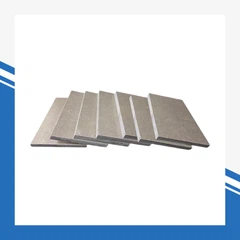
One of the most widely used insulation materials in dry-type transformers is electrical insulation paper and pressboard, a cellulose-based material made from high-purity wood pulp or cotton linter. Electrical pressboard is produced by pressing and drying cellulose fibers under high pressure, resulting in a dense, rigid material with excellent mechanical strength, dielectric properties, and dimensional stability. It is used for a variety of applications in dry-type transformers, including coil support blocks, winding spacers, core insulation barriers, and terminal board insulation. The pressboard's high density (typically 1.1–1.3 g/cm³) gives it exceptional compressive strength, allowing it to withstand the mechanical stress of the transformer's windings during operation and short-circuit events. Additionally, electrical pressboard has good thermal conductivity, which helps dissipate heat from the windings to the surrounding air, contributing to the transformer's overall cooling efficiency. To enhance its moisture resistance and thermal performance, electrical pressboard is often treated with epoxy resin or varnish, making it suitable for use in Class F (155°C) and Class H (180°C) transformers.
Another essential insulation material for dry-type transformers is mica insulation products, which are renowned for their exceptional heat resistance, dielectric strength, and flame retardancy. Mica is a naturally occurring mineral with a layered crystalline structure that can be split into thin, flexible sheets, making it ideal for use in high-temperature electrical applications. There are two primary types of mica used in transformer insulation: muscovite mica and phlogopite mica. Muscovite mica has excellent dielectric strength and chemical stability, while phlogopite mica offers superior heat resistance, withstanding temperatures up to 1000°C without degradation. Mica insulation products used in dry-type transformers include rigid mica boards, flexible mica tapes, mica tubes, and custom-shaped mica gaskets. Rigid mica boards are used as barriers between high-voltage and low-voltage coils, providing electrical isolation and mechanical support. Flexible mica tapes are wrapped around the transformer's windings, creating a heat-resistant insulation layer that protects the conductors from thermal stress and partial discharge. Mica's inherent flame retardancy is particularly valuable in dry-type transformers, as it prevents the spread of fire in the event of an electrical fault, enhancing the safety of indoor and populated-area installations.
Epoxy resin systems are also a cornerstone of modern dry-type transformer insulation, particularly in cast-resin transformers, which use epoxy resin to encapsulate the entire coil assembly. Epoxy resins are thermosetting polymers that, when cured, form a hard, rigid, and electrically insulating material with excellent mechanical strength, chemical resistance, and thermal stability. In cast-resin transformers, the coils are cast under vacuum in epoxy resin, eliminating air bubbles and creating a void-free insulation system that provides complete protection against moisture, dust, and contaminants. This encapsulation also enhances the transformer's mechanical strength, making it resistant to vibration, shock, and short-circuit forces. Epoxy resins used in dry-type transformers are formulated to meet specific temperature classes, with Class F and Class H epoxy systems being the most common. These resins have high glass transition temperatures (Tg), ensuring they remain rigid and dimensionally stable at high operating temperatures, preventing insulation cracking or deformation. Additionally, epoxy resin systems offer excellent dielectric strength, withstanding high voltage levels without breakdown, and low dielectric loss, which helps maintain the transformer's efficiency.
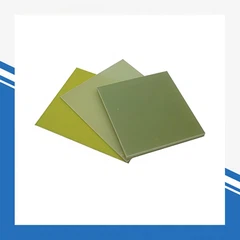
Composite insulation materials, such as glass-reinforced plastic (GRP) and epoxy glass laminates, are also widely used in dry-type transformers for structural and insulating components. GRP is a composite material made of glass fibers embedded in a polymer matrix (typically epoxy or polyester resin), offering a unique combination of high mechanical strength, light weight, and excellent electrical insulation properties. It is used to manufacture transformer support structures, coil bobbins, terminal blocks, and insulation barriers. Epoxy glass laminates, also known as FR-4 or G10, are rigid composite materials made of layers of glass cloth impregnated with epoxy resin and cured under heat and pressure. These laminates have exceptional dimensional stability, high tensile and compressive strength, and good dielectric properties, making them ideal for use in high-voltage transformers. Composite materials are particularly valued for their resistance to moisture, chemicals, and environmental stress, ensuring long-term performance even in harsh operating conditions.
The thermal class of insulation materials is one of the most important considerations in dry-type transformer design, as it determines the maximum operating temperature the transformer can withstand without experiencing permanent insulation degradation. Insulation materials are classified according to international standards (IEC 60085) based on their thermal endurance, with the most common classes for dry-type transformers being Class A (105°C), Class E (120°C), Class B (130°C), Class F (155°C), and Class H (180°C). Each class is defined by the maximum temperature at which the insulation can operate continuously without losing its functional properties over a 20,000-hour lifespan. For example, Class H insulation materials, such as phlogopite mica, polyimide films, and high-temperature epoxy resins, are used in transformers designed for high-temperature environments or heavy-duty industrial applications, where operating temperatures can reach 180°C. Using insulation materials with a higher thermal class than required provides a safety margin, allowing the transformer to handle temporary overloads without exceeding its temperature limits and extending the overall lifespan of the insulation system.
Partial discharge (PD) is a common issue in dry-type transformers, caused by voids or defects in the insulation system that create localized electric fields, leading to small electrical discharges. Over time, these discharges can erode the insulation material, causing degradation and eventually electrical breakdown. To prevent partial discharge, insulation materials for dry-type transformers must have low void content, uniform dielectric properties, and high corona resistance. Epoxy resin systems used in cast-resin transformers are particularly effective at minimizing partial discharge, as the vacuum casting process eliminates air bubbles and creates a void-free insulation structure. Mica tapes and papers used in wound transformers are also treated with special varnishes or resins to fill any gaps between layers, reducing the risk of partial discharge. Regular partial discharge testing is recommended for dry-type transformers, as it can detect early signs of insulation degradation before they lead to catastrophic failure.
In addition to electrical and thermal performance, insulation materials for dry-type transformers must meet strict safety and environmental standards. Most countries require transformers to comply with international standards such as IEC 60076 (power transformers), IEC 60950 (safety of information technology equipment), and UL 1561 (dry-type transformers). These standards specify requirements for insulation resistance, dielectric strength, flame retardancy, and environmental performance, ensuring the transformer is safe for use in commercial, industrial, and residential applications. Many modern insulation materials are also formulated to be halogen-free and low-smoke, reducing the release of toxic fumes in the event of a fire and making them more environmentally friendly. This is particularly important for transformers installed in enclosed spaces such as data centers, hospitals, and underground substations, where air quality and fire safety are critical concerns.
Proper handling and storage of insulation materials are also essential to maintaining their performance and ensuring the reliability of the transformer. Insulation papers and pressboard are hygroscopic, meaning they absorb moisture from the air, which can reduce their dielectric strength and increase the risk of electrical breakdown. These materials must be stored in a dry, temperature-controlled environment, ideally in sealed packaging, and conditioned before use to remove any absorbed moisture. Mica tapes and epoxy resin systems are less sensitive to moisture but still require proper storage to prevent contamination and degradation. During transformer manufacturing, insulation materials must be handled with care to avoid physical damage, such as tears, creases, or scratches, which can create weak points in the insulation system. Strict quality control measures, including visual inspection, dielectric testing, and thermal endurance testing, are essential to ensure all insulation materials meet the required specifications before they are used in production.
As dry-type transformers continue to evolve to meet the demands of modern power systems, so too do the insulation materials used in their construction. Recent advancements in insulation technology include the development of nanocomposite materials, which incorporate nanoparticles into polymer matrices to enhance dielectric strength, thermal conductivity, and partial discharge resistance. These materials offer improved performance compared to traditional insulation materials, allowing transformers to operate at higher temperatures and voltages with greater efficiency. Additionally, bio-based insulation materials made from renewable resources such as cellulose, soy resin, and natural rubber are being developed as eco-friendly alternatives to conventional petroleum-based materials, reducing the environmental impact of transformer manufacturing. These innovations are helping to drive the next generation of dry-type transformers, which are safer, more efficient, and more sustainable than ever before.
In conclusion, insulation materials are the foundation of safe and reliable dry-type transformer operation, providing electrical isolation, mechanical support, and thermal protection. From electrical pressboard and mica products to epoxy resins and composite materials, each component of the insulation system plays a critical role in ensuring the transformer meets its performance and safety requirements. By selecting high-quality insulation materials that comply with international standards, designing the insulation system to handle electrical and thermal stress, and implementing proper manufacturing and quality control processes, transformer manufacturers can produce units that operate reliably for decades, even in the most demanding applications. For power distribution companies, facility managers, and end-users, understanding the role of insulation materials in dry-type transformers is essential to making informed purchasing decisions and ensuring the long-term performance and safety of their power infrastructure. As the demand for clean, safe, and efficient power distribution continues to grow, the importance of advanced insulation materials in dry-type transformers will only increase, making them a key focus of research and development in the power industry.