






The Role of High-Performance Insulation
In electrical engineering, reliability and safety are critical. Preventing electric current from flowing where it is not needed is a fundamental challenge, and materials used for this purpose must perform exceptionally well under extreme conditions. Among all options, mica stands out as a uniquely effective and durable material.
Mica electrical insulation is a cornerstone for high-voltage and high-temperature applications, ranging from industrial motors to modern electric vehicles (EVs).
This guide explores the properties that make mica an exceptional electrical insulator. We introduce its various forms, key applications, and comparisons with other insulating materials, clearly showing why this natural mineral is indispensable to electrical systems.

Why Mica Is an Outstanding Electrical Insulator
Mica's effectiveness as an electrical insulator comes from its inherent chemical and physical properties. As a naturally occurring silicate mineral, it forms a distinctive layered or sheeted structure - the key to its superior performance.
The main reasons mica is highly valued as an insulator include:
High dielectric strengthDielectric strength measures a material's ability to resist breakdown and conduction under strong electric fields. Mica has an extremely high dielectric strength, enabling effective insulation even at very high voltages.
Excellent thermal stabilityMany electrical components generate substantial heat. Mica can withstand extreme temperatures - typically up to 900°C (1652°F) - without losing insulating properties, making it ideal for heating elements, motors, and generators.
Low power dissipation factorAn ideal insulator should absorb minimal energy from an electric field. Mica has an extremely low dissipation factor, meaning it wastes almost no energy as heat under alternating current fields.
Chemical inertnessMica resists water, acids, oils, and solvents. This stability ensures insulation remains effective even in harsh chemical environments.
Mechanical strengthDespite its layered structure, processed mica insulation is mechanically strong, flexible, and resistant to compression and vibration.
This unique combination of properties makes mica electrical insulation the top choice for demanding applications where other materials would fail.
Types of Mica Used for Insulation
Although many mica minerals exist, only two are primarily used in electrical insulation: muscovite and phlogopite. They are commonly processed into tapes, sheets, and laminates for industrial use.
Muscovite Mica
Muscovite (potassium aluminum silicate) is the most widely used insulating grade.Valued for its superior dielectric strength, it is often called "white mica" or "ruby mica."Its excellent electrical performance makes it the standard material for capacitors and high-voltage equipment.
Phlogopite Mica
Phlogopite (potassium magnesium aluminum silicate) is known as "amber mica" or "golden mica."While its dielectric strength is slightly lower than muscovite, its heat resistance is significantly higher.Phlogopite is the preferred choice for applications requiring extreme thermal stability.
Properties and Applications of Mica Insulation
| Product | Main Use | Key Properties | Temperature Limit |
|---|---|---|---|
| Muscovite Mica Tape | High-voltage coil insulation | Extremely high dielectric strength | ~700°C |
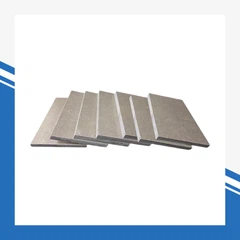
| Phlogopite Mica Sheet | Furnace and heater insulation | Outstanding heat resistance | ~900°C |
| Mica Laminate (Micarta) | Structural insulation components | High mechanical strength, thermally stable | Depends on binder system |
| Mica-Based Composites | EV battery insulation | Thermal barrier + dielectric protection | Up to 1000°C |
Key Applications of Mica in Electrical Insulation
Mica's one-of-a-kind properties make it essential across multiple critical industries, from heavy industry to cutting-edge technology.
Motors and Generators
High-voltage motors and generators rely on mica to insulate stator and rotor coils.Mica-based electrical insulation tapes, reinforced with glass or film, are wrapped around coils to prevent short circuits.This insulation must withstand high temperatures, electrical stress, and mechanical vibration - all areas where mica excels.
Electric Vehicles (EVs)
The rise of electric vehicles has created new, critical demand for high-performance insulation.EV battery packs contain hundreds or thousands of cells that must be electrically isolated to prevent shorts and manage heat.
Mica sheets and laminates are placed between cells and modules to provide both dielectric insulation and fire-resistant thermal barriers, helping prevent thermal runaway - a dangerous chain reaction where one overheated cell triggers failure in others.
Industrial Heaters and Furnaces
In applications involving heating elements - such as industrial furnaces, ovens, and household appliances like toasters and hair dryers - mica supports and insulates heating wires.Its ability to withstand continuous high heat without degradation is vital to the safety and lifespan of these products.
Capacitors and Electronics
Mica's exceptional dielectric properties make it the preferred material for high-quality capacitors, especially in high-frequency radio circuits.Silver mica capacitors are famous for their stability and low-loss performance.
Micarta and Electrical Insulation Laminates
Micarta is a composite laminate made by impregnating layered substrates with resin binder and curing under heat and pressure.When mica paper is used as the substrate, the result is a high-performance micarta electrical insulation material.
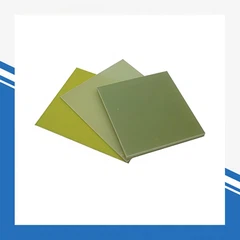
These rigid laminates are used to manufacture insulating washers, spacers, barriers, and structural components in electrical equipment, offering an excellent blend of mechanical strength, thermal stability, and dielectric performance.
Conclusion
From heavy-duty industrial generators to sophisticated battery packs in electric vehicles, mica electrical insulation delivers a level of performance few materials can match.
Its natural resistance to extreme heat, high voltage, and harsh environments makes it a critical component in ensuring the safety and reliability of countless electrical systems.
Whether in the form of flexible insulation tape, rigid laminates, or custom-cut sheets, mica's unique combination of dielectric strength and thermal stability secures its position as a key material in modern engineering.As technology continues to push the limits of voltage and temperature, the demand for high-performance insulating materials like mica will only continue to grow.