







Mica vs. Asbestos: Safety Comparison & Health Guidelines
Today, you can be confident that mica is significantly safer than asbestos. A common question is whether mica poses similar health risks to asbestos. Most experts agree that mica is generally safe for the majority of people. However, it is important to note that mica may occasionally contain trace asbestos contamination. Always read product labels and safety information carefully to protect your health.
Key Summary
Mica is much safer than asbestos and is not carcinogenic like asbestos.
Always check labels for asbestos content; look for "asbestos‑free" certification.
Wear a mask and control dust when handling mica to protect your lungs.
If you suspect asbestos in your home, contact a certified professional for testing and removal.
Understand local asbestos regulations to avoid hidden hazards.

Health Risks: Mica vs. Asbestos
Key Differences
Asbestos is extremely dangerous and causes life‑threatening diseases including lung cancer and mesothelioma. Even low levels of asbestos fiber inhalation can cause permanent lung damage over time.
Mica, by contrast, does not cause cancer. Inhaling large amounts of mica dust may cause mild lung irritation, but the health risks are minimal compared to asbestos.
Exposure Routes & Risk Levels
| Material | Primary Exposure Pathways | Health Risk Level |
|---|---|---|
| Asbestos | Inhalation, skin contact, ingestion | Very High (cancer, fatal lung disease) |
| Mica | Dust inhalation only | Low (temporary lung irritation) |
Dangers of Asbestos
Exposure Pathways
Asbestos exposure most commonly occurs through:
Inhaling microscopic fibers in construction, shipbuilding, or demolition
Skin contact with asbestos‑containing materials
Ingestion via contaminated food or hands
Secondary exposure: family members of asbestos workers exposed via contaminated clothing or hair
Serious Health Effects
Diseases from asbestos often take decades to appear. They include:
Mesothelioma (cancer of the lung/abdominal lining)
Lung cancer
Asbestosis (scarring of lung tissue)
Pleural plaques and thickening
Laryngeal and ovarian cancer
Chronic respiratory diseases
Key Statistics
At least 30 deaths daily from asbestos‑related diseases
2%–10% of exposed individuals develop serious illness
Around 2,500–3,000 new mesothelioma cases annually in the U.S.

Mica Safety Overview
Common Safe Applications
Mica is widely used in safe, everyday products:
Aerospace: heat shields, fire barriers
EVs: battery insulation, thermal protection
Steel & foundry: high‑temperature insulation
Consumer electronics: toasters, microwaves, heaters
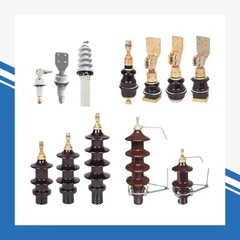
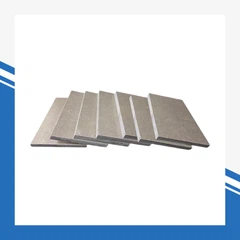
Electrical engineering: transformer and appliance insulation
Defense: thermal and fire protection
Mica Dust & Lung Safety
For most people, mica poses no health risk.For workers in mining or manufacturing, excessive mica dust may cause mild lung irritation or rare cases of pneumoconiosis.
Regulatory limits protect workers:
OSHA: 20 million particles per cubic foot
ACGIH: 3 mg/m³
Since these standards were implemented, mica‑related lung diseases have dropped by more than 90%.
Mica is:
Non‑toxic
Non‑irritating to skin
Low in heavy metals
Hazard index < 1 (very low health risk)
Risk of Asbestos Contamination
Naturally occurring mica may sometimes contain trace asbestos.Always verify that mica products are tested for asbestos, especially powders and construction materials.
Regulations & Guidelines
Asbestos Bans (Selected Countries)
| Country | Effective Date |
|---|---|
| Italy | 1992 |
| Poland | 1997 |
| UK | 2000 |
| Australia | Dec 31, 2003 |
| Japan | 2004 |
Important notes:
Some limited exemptions still exist (e.g., legacy products, certain industrial uses).
Asbestos may still be present in buildings constructed before the 1980s–1990s.
Mica Safety Standards
Workplace exposure limits enforced by OSHA, ACGIH, and similar agencies
Required air monitoring in industrial settings
Recommended purity testing for mica powders

Workplace & Household Safety
Safe Practices When Handling Mica
Use wet grinding instead of dry grinding to control dust
Ensure adequate ventilation
Wear a properly fitted dust mask or respirator
Wash hands and clothing before returning home
Keep work areas clean to avoid dust buildup
How to Identify Safe Products
Look for "Asbestos‑Free" labeling
Request Safety Data Sheets (SDS) from suppliers
Purchase from reputable, certified brands
When to Consult a Professional
Contact a certified asbestos professional if:
You suspect asbestos in older buildings or insulation
Planning renovations or demolition
Uncertain about material composition
Professionals provide safe testing, removal, and documentation.
FAQs
Does mica cause cancer like asbestos?
No. Mica is not carcinogenic. Asbestos causes lung cancer and mesothelioma, but mica does not.
How can I tell if a product contains asbestos?
Check for "asbestos‑free" labeling, request SDS, or have materials professionally tested.
Is mica dust dangerous to lungs?
High industrial exposure may cause irritation, but following safety rules (masks, ventilation) virtually eliminates risk.
What should I do if I find asbestos at home?
Do not touch or disturb it.Call a certified professional for safe inspection and removal.