






Fire-Resistant Mica Tapes
Core Summary
Fire-resistant mica tapes are high-performance fire-resistant insulating materials mainly used to protect cables and maintain continuous power supply during fires. They feature excellent high-temperature resistance, flame retardancy, low smoke emission, and non-toxicity.
Common types include: phlogopite mica tape, muscovite mica tape, synthetic mica tape, and calcined mica tape, suitable for different temperature ratings and application scenarios.Mica tapes are halogen-free, non-toxic, and low-smoke, releasing no toxic gases when burned. They are environmentally safe and a mandatory safety material for key facilities such as large buildings, hospitals, power plants, and tunnels.

1. What Are Fire-Resistant Mica Tapes?
Structure & Composition
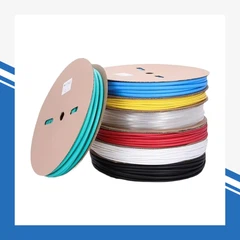
Fire-resistant mica tapes are made with mica paper as the core material, reinforced with glass cloth or PE film, and bonded with high-temperature-resistant adhesives. This construction combines flexibility and mechanical strength.
Typical composition ratio:
Mica content: > 80%
Reinforcing glass cloth: 5%–10%
Adhesive: 10%–15%
Basic Performance Parameters
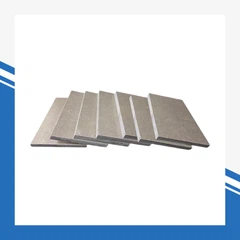
| Item | Mica Tape (Roll) | Mica Sheet / Board |
|---|---|---|
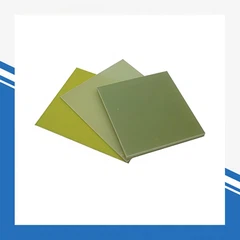
| Thickness | 0.2±0.03 ~ 0.8±0.03 mm | 2.3±0.03~2.5±0.03 / 0.58~1.0±0.05 mm |
| Basis Weight | 310±30 ~ 1350±50 g/㎡ | 900±10 ~ 1230±15 g/㎡ |
| Tensile Strength | ≥200 ~ ≥400 N/15mm | - |
| Fire-Resistant Temperature | 750℃ ~ 950℃ | 1000℃ ~ 1200℃ |
| Standard Size | Width 1000mm, Length 20/25m | 980×600 / 1200×980mm |
Thermal Stability
Natural mica: stable up to 950℃
Synthetic mica: stable up to 1100℃
Halogen-free, no toxic fumes in fire
2. Core Functions in Cables
Maintain Circuit IntegrityContinuously conducts electricity during fires to ensure uninterrupted power for fire protection, emergency lighting, and alarm systems.
Prevent Flame Spread Along CablesMica is non-flammable and non-melting, forming a rigid fire barrier.
Low Smoke, Non-Toxic & Eco-FriendlyHalogen-free formula produces no corrosive or harmful gases, protecting people and equipment.
Key applications: hospitals, tunnels, power plants, subways, airports, data centers, ships, nuclear power plants, and other high-reliability facilities.
3. Fire-Resistant Working Principle
Fire & Thermal Barrier Mechanism
Mica tape forms a rigid thermal shield around cable conductors, blocking flames and high heat.
Low thermal conductivity slows heat transfer to protect conductors and insulation.
Maintains circuit operation for 90 to 180 minutes in fire conditions, allowing time for evacuation and rescue.
Typical Fire Performance
Temperature range: 750℃ ~ 1000℃
Fire endurance: 30 minutes to 3 hours
Compliance standard: IEC 60331 (circuit integrity under fire)
Typical rating: 750–800℃ / 1.0kV / 90 minutes continuous operation
4. Temperature Resistance of Different Mica Tapes
| Mica Tape Type | Max Temperature / Characteristics |
|---|---|
| Muscovite Mica Tape | ~600℃, releases crystal water |
| Phlogopite Mica Tape | > 800℃, superior heat resistance |
| Fluorophlogopite Synthetic Mica Tape | Melting point 1375℃, best electrical & thermal performance |
| Synthetic Fire-Resistant Mica Tape | > 1000℃ |
| Calcined Mica Tape | 850–900℃ / 90 minutes |

5. Main Product Types & Features
Phlogopite Mica Tape
Heat resistance: > 600℃; widely used in fire-resistant power cables
Applications: rail transit, aircraft, ships, oil fields, home appliances, thermocouple cables
Ensures continuous power supply in fire conditions
High-Grade Mica Tape
Heat resistance: > 800℃
Passes fire test: 800℃ / 1500V / 3 hours
Thickness: 0.08–0.15 mm
Complies with: BS 6387, IEC 60331
Synthetic Mica Tape
Continuous service: > 800℃; transient heat resistance > 1000℃
Best electrical insulation performance
Higher cost, used for premium fire-resistant cables
Calcined Mica Tape
Heat resistance: 850–900℃ / 90 minutes
Cost: ~30% lower than synthetic mica
High strength, asbestos-free, low smoke, cost-effective
6. Importance of Fire-Resistant Cables
Safety & Regulatory Requirements
Must maintain fire resistance for at least 90 minutes to support emergency systems
Non-compliance risks: safety incidents, insurance rejection, failed inspections, legal liability
Mandatory for: high-rise buildings, hospitals, tunnels, power plants, subways, airports, data centers
Critical Application Scenarios
Emergency power supply, fire pumps, fire elevators
Fire alarms, emergency lighting
Communication and control cables
Ships, offshore platforms, nuclear power plants

7. Selection, Manufacturing & Installation Standards
Selection Criteria
Comply with standards: IEC 60331, UL, BS 6387, IEC 60085
Verify temperature rating, fire endurance, and voltage class
Select certified suppliers with valid test reports
Strict compliance required for nuclear power, aerospace, and other special fields
Cable Manufacturing Process
Mica tape applied with 30% overlap
Strict quality control (approx. 76 key checkpoints)
Full electrical, mechanical, and thermal testing before delivery
Best Installation Practices
Clean conductors before wrapping
Wear gloves to avoid contamination
Avoid excessive bending or twisting
Use high-temperature-resistant fasteners
Keep away from water and chemicals
Prevent overheating from overcrowded cables
Regular inspection and maintenance
8. Frequently Asked Questions
What are the main benefits of mica tapes in cables?
They keep cables operational during fires, block heat and flames, are low-smoke and non-toxic, protect people and equipment, and meet strict fire codes.
Can mica tapes be used for all cables?
Suitable for most power, control, and communication cables. Selection must match cable design and relevant safety standards.
Are they environmentally safe?
Yes. They are halogen-free, non-toxic, and low-smoke, releasing no harmful gases when burned.
How to verify compliance with safety standards?
Request test reports and certifications such as IEC 60331, UL, BS 6387 from suppliers.
Does mica tape affect cable flexibility?
Mica tape is thin and flexible, so it does not make cables stiff. Cables remain bendable for easy installation.