






Mica for Industrial Insulation: Properties, Applications & Best Practices
Mica has been a trusted material for industrial insulation for decades, thanks to its exceptional combination of thermal stability, electrical insulation, and durability. Its outstanding performance under extreme conditions makes it a reliable choice across industries including electrical engineering, manufacturing, and construction.
This article explores the unique advantages of mica in industrial insulation, its key properties, real-world applications, and essential recommendations for effective use.
Why Mica Is Ideal for Industrial Insulation
Mica is a naturally occurring silicate mineral valued for its distinctive structural characteristics. Composed of layered sheets that withstand high temperatures while retaining excellent mechanical strength, mica is inherently suited for heavy-duty industrial insulation.
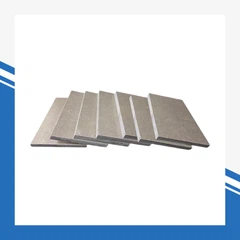
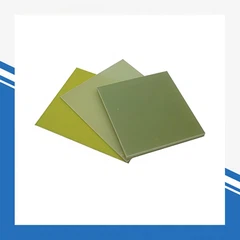
It is available in multiple versatile forms - including mica paper, mica sheets, and mica tape - that can be customized to address specific insulation challenges.
Core Properties of Mica
The effectiveness of mica comes from its extraordinary material properties:
Thermal Resistance
Mica withstands temperatures ranging from -40°C up to over 1000°C without losing structural integrity.
Electrical Insulation
With high dielectric strength, mica prevents insulation breakdown, ensuring safety and reliability in electrical systems.
Flame Retardancy
Mica is naturally non-combustible, making it safe for use in flammable environments.
Chemical Resistance
Mica remains stable when exposed to acids, oils, and solvents, delivering long-term durability in harsh conditions.
Durability & Mechanical Strength
Mica resists abrasion, tearing, and deformation even in high-stress industrial environments.
Lightweight yet Strong
Despite its high performance, mica is exceptionally lightweight. This simplifies installation, reduces structural load, and enhances its appeal as a modern insulation solution.
Applications of Mica in Industrial Insulation
Thanks to its versatility, mica is used in various forms to meet the specific demands of industrial insulation.
1. Electrical Insulation
Mica is indispensable in the electrical industry due to its superior dielectric strength.Typical applications include:
Switchgear & Circuit BreakersMica insulation improves safety and prevents electrical failure in high-voltage environments.
CommutatorsUsed in motors and generators, mica ensures stable electrical performance under demanding conditions.
Cables & ConductorsMica tape is wrapped around conductors to provide insulation and flame resistance, which is critical for fire-resistant cables.
2. Thermal Insulation
Mica's high-temperature tolerance makes it an ideal thermal barrier for:
Furnaces & OvensMica sheets act as liners or separators, ensuring precise heat control while protecting surrounding equipment.
Heating ElementsUsed in household appliances such as toasters, hair dryers, and electric irons to thermally insulate heating rods.
Automotive & AerospaceMica protects engine components, exhaust systems, and other high-temperature zones, improving durability and safety.
3. Fire Safety
Mica's inherent flame resistance makes it a premier material for fire protection systems:
Fire-Resistant CablesMica insulation ensures critical electrical systems - such as emergency lighting - continue operating during fires.
Building & Structural SafetyMica is used in fire barriers for industrial facilities, helping improve workplace safety standards.
4. Petrochemical & Industrial Processes
Mica's chemical resistance supports widespread use in petrochemical and industrial plants:
Reactor InsulationProtects sensitive equipment from extreme heat and corrosive chemicals.
Piping SystemsMaintains insulation performance in pipelines exposed to high pressure, high temperature, and volatile chemicals.
Mica's adaptability makes it a key material for improving efficiency and safety across industrial operations.
Key Advantages of Mica in Industrial Insulation
Mica sheets, mica tape, and composite components deliver unique benefits for harsh industrial environments:
Superior Thermal StabilityMica withstands extreme cold and heat, providing a long-term solution for thermal insulation without material degradation.
Reliability for Electrical SystemsIts dielectric properties prevent arcing and ensure continuous operation of motors, transformers, and heavy machinery.
Long Service LifeResistance to wear, corrosion, and fire significantly reduces replacement and maintenance frequency, lowering operational costs.
Lightweight & FlexibleMica's structural flexibility allows it to be used in coatings, linings, and complex manufacturing processes without performance loss.
Eco-Friendly ProfileAs a naturally occurring and non-toxic mineral, mica is an environmentally responsible insulation choice.
Multi-Environment CompatibilityMica performs reliably under high heat, electrical load, and chemical corrosion, making it suitable for nearly all demanding applications.
Recommendations for Selecting & Using Mica Insulation
Choosing the right type of mica and using it correctly maximizes its performance.
Select the Appropriate Grade
Use phlogopite mica for high-temperature insulation (up to 1000°C).
Choose muscovite mica when electrical insulation is the primary requirement.
Handle with Care
Some forms of mica can be brittle. Avoid excessive force during installation to preserve structural integrity.
Follow Application Guidelines
Use compatible adhesives and sealants to secure mica sheets or tape.
Ensure proper alignment to avoid gaps or weak points in insulation coverage.
Perform Regular Maintenance
Inspect systems periodically, especially in high-stress environments, to check for wear, cracks, or degradation.
Store Properly
Keep storage areas dry and cool to prevent moisture absorption, which can reduce insulation performance.
Safety Considerations
While mica is generally safe to handle, the following precautions are recommended:
Minimize Dust GenerationCutting or processing mica may produce fine particles. Wear a mask and ensure adequate ventilation.
Use Protective EquipmentWear gloves to avoid skin irritation from thin mica sheets.
Dispose ResponsiblyFollow local environmental regulations when disposing of mica materials or scraps.
Why Industry Trusts Mica
Mica's unmatched properties make it a leading solution for industrial insulation.From mitigating risks in high-voltage systems to ensuring operational safety at extreme temperatures, mica plays a vital role in driving innovation and improving efficiency.
Weshare Mica – Your Trusted Partner
When it comes to high-quality mica products, Weshare Mica stands out for its consistent reliability. Committed to precision manufacturing and international industry standards, we provides tailored solutions for the unique demands of industrial applications.Whether you need mica for thermal insulation, electrical systems, or fire safety, Weshare Mica delivers engineered products of exceptional quality.
Conclusion
For industries aiming to optimize insulation performance, mica remains the material of choice due to its unrivaled thermal stability, electrical insulation, and mechanical durability. When used effectively, it not only improves operational safety but also delivers significant cost savings and energy efficiency.
Investing in premium mica products - such as those from our Mica - ensures long-lasting performance even in the harshest industrial environments. Whatever your insulation requirements, mica's proven advantages provide solutions that are both innovative and reliable.