






Mica as an Electrical Insulator: Properties, Types, Benefits & Applications
Mica stands out for its exceptional electrical insulation, high dielectric strength, and heat resistance up to 1000°C, making it ideal for high-voltage and high-temperature applications.
Its unique layered structure and chemical stability allow mica to withstand moisture, chemicals, and UV radiation, ensuring long-lasting performance in harsh environments.
Careful selection of mica type and thickness, combined with proper processing, helps maximize its insulating performance and durability across industrial and electronic applications.

Mica as an Insulator
Electrical Properties
Extremely high dielectric strength, up to 200 kV/mm
Volume resistivity of approximately 10¹² Ω·cm
Layered crystal structure allows cleavage into thin, uniform sheets
Mica is significantly superior to air and wax paper as an insulator, especially in thin layers. That is why brands such as our Mica rely on it for high-voltage environments where safety and reliability are critical.
Thermal Properties
Phlogopite mica, in particular, can withstand temperatures as high as 1000°C.
| Mica Type | Max Operating Temperature (°C) | Insulation Performance & Typical Applications |
|---|---|---|
| Phlogopite | ~1000 | Highest heat resistance; ideal for high-temperature industrial applications; retains insulation |
| Biotite | 500–700 | Moderate heat resistance; used in construction and automotive components |
| Muscovite | ~500 | Excellent electrical insulation; widely used in household appliances |
Mica's thermal conductivity is higher than most plastics but lower than the majority of ceramics.
Mechanical Strength
Mica exhibits strong mechanical performance, especially phlogopite.
| Mechanical Property | Muscovite (MN/m²) | Phlogopite (MN/m²) |
|---|---|---|
| Tensile Strength | ~175 | ~1000 |
| Shear Strength | 220–270 | 1000–1300 |
| Compressive Strength | 190–285 | N/A |
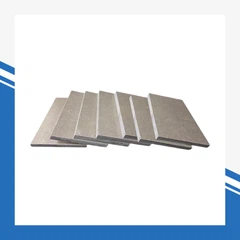
Flexible mica sheets (such as those from weshare Mica) resist tearing and cracking better than ceramic fiber blankets.
Mica uniquely combines electrical, thermal, and mechanical strength, making it the material of choice for high-voltage, high-temperature environments.
Why Mica Is an Effective Insulator
Layered Crystal Structure
Atomic layers act as natural barriers to block electron flow
Band gap of approximately 7.85 eV
Electrostatic forces between layers enhance stability and resistance to electrical breakdown
When mica is exfoliated into thinner sheets, its dielectric constant increases, further improving insulation performance in demanding applications.
This layered structure also allows mica to be integrated into composites, working with other materials to create high-performance insulation systems.
Chemical Stability
Mica is highly inert and resistant to external degradation.
| Chemical Property | Description |
|---|---|
| Chemical Inertness | Mica sheets are unreactive, ensuring long service life under harsh conditions |
| Thermal Stability | Remains structurally stable at temperatures above 500°C |
| Environmental Resistance | Withstands humidity, light, and extreme temperatures without losing insulation |
| Mechanical Integrity | Maintains shape and strength even under bending or tension |
Mica's chemical composition allows it to perform reliably in boiling water or extreme cold, protecting sensitive equipment and maintaining safe system operation.
Types of Mica
Muscovite Mica
Muscovite is the most widely used electrical-grade mica. Its light color and transparency make it easily recognizable in electronic components.
Key advantages:
Outstanding dielectric strength and low conductivity
Perfect basal cleavage
High chemical stability and heat resistance for harsh environments
Typically used in gaskets, shims, and electrical components requiring consistent insulation.Its ability to be split into thin, flexible sheets makes it especially valuable in electronics requiring transparency and stable insulation.
Phlogopite Mica
Phlogopite excels in high-temperature environments and outperforms muscovite in heat resistance.
| Property | Phlogopite | Muscovite |
|---|---|---|
| Max Operating Temperature (°C) | 800–1000 | 500–600 |
| Dielectric Strength (kV/mm) | 21.7 | 25.7 |
| Flexural Strength (psi) | 1500 | 2400 |
Phlogopite is widely used in fire-resistant cables, furnaces, and steel mills, maintaining shape and insulation even under extreme heat.
Synthetic Mica
Synthetic mica offers modern advantages for advanced insulation. Produced with high purity and minimal natural impurities, it is increasingly preferred for high-end applications.
Benefits:
Operating temperature up to 1100°C
Improved electrical insulation and low outgassing for sensitive electronics
Consistent quality and performance
Free of heavy metals and natural radiation
Synthetic mica combines the best properties of natural mica, ceramics, and plastics, making it ideal for demanding insulation tasks.
Benefits of Mica Insulators
High Dielectric Strength
Dielectric strength ranging from 50 to 150 kV/mm (39.4 MV/m)
Ensures safe operation of electrical systems
Prevents energy loss and electrical discharge
Widely used in high-voltage equipment such as transformers and capacitors
Mica can be split into ultra-thin sheets without losing insulation performance, making it extremely popular in compact electronics.
Thermal Resistance
Withstands temperatures up to 1000°C
Maintains shape and strength under extreme heat
Protects sensitive components from overheating
Unlike mineral wool, mica does not absorb moisture, allowing longer service life in harsh environments.
Long Service Life
Mica insulators provide a rare combination of strength, heat resistance, and durability, making them highly cost-effective for demanding applications.
Limitations
Brittleness
While mica offers exceptional electrical and thermal resistance, its natural structure makes it somewhat brittle. Thin sheets that deliver high performance may crack or break under heavy pressure or sharp bending.
Careful handling is required during installation and shaping.For applications involving frequent movement or impact, mica is often reinforced or combined with other materials to improve toughness.
Cost
| Insulator Type | Cost Range | Notes |
|---|---|---|
| Mica Insulators | Medium to High | Premium and reinforced mica sheets can be more expensive than some rubbers and plastics |
| Ceramic Insulators | Generally High | High-performance ceramics involve high material and machining costs |
| Mica Heaters | More affordable than high-end ceramic heaters |
Sustainability
Natural mica mining may involve environmental impacts:
Deforestation and habitat loss
Soil degradation and water pollution from wastewater
Carbon emissions and land subsidence from mechanized mining
Potential health risks from toxic metal runoff
Synthetic mica serves as a more sustainable and eco-friendly alternative.
Applications
Electronics
High-precision capacitors
Low noise and low distortion
Long-term stable performance
Used in radios, medical devices, aerospace systems, and precision instrumentation.
Industry
Thermal insulation in foundries and steel mills (withstanding >1000°C)
Mica gaskets and shims
Reduces heat loss and energy consumption
Prevents electrical hazards in industrial equipment
Lowers maintenance frequency and extends equipment life
Household Appliances
Thermal insulation in electric irons, toasters, and heaters
Improves energy efficiency by reducing heat loss
Extends service life and reduces maintenance
FAQ
What makes mica a better insulator than plastic?
Mica withstands much higher temperatures and voltages. Plastics melt or degrade under harsh conditions, while mica remains structurally sound and safe in demanding environments.
Can mica insulators be used outdoors?
Yes. Mica resists moisture, UV radiation, and chemicals, performing reliably in outdoor environments even under rapidly changing weather conditions.
How do you cut or shape mica sheets?
Use sharp scissors or a utility knife. Cut slowly and carefully to avoid cracking or chipping.