






Mica Tape – Manufacturing, Types & Quality Control
You have likely encountered mica tape in many places without realizing it. Mica tape provides critical value across industries including electrical engineering, electronics, automotive, and aerospace. What makes mica tape unique is its ability to provide insulation for high‑voltage equipment while effectively resisting high temperatures.
In production, different types of mica are used, most commonly muscovite, phlogopite, and synthetic mica. Calcined mica tape withstands extremely high temperatures, which is essential for safety in harsh environments. Calcined mica tape can be found in transformers, electric motors, and aircraft systems.
The global mica tape market was valued at approximately $550 million in 2023, and demand continues to grow as more industries adopt mica tape for advanced insulation solutions.
Overview of Mica Tape Types

| Type | Key Properties | Typical Applications |
|---|---|---|
| Muscovite Mica Tape | High dielectric strength, good thermal stability | Electric motors, transformers, power cables |
| Phlogopite Mica Tape | Superior heat resistance | Aerospace, industrial furnaces |
| Synthetic Mica Tape | High purity, excellent flexibility | High‑end electronic products |
| Calcined Mica Tape | Outstanding thermal resistance | High‑temperature insulation |
Key Summary
Mica tape blocks heat and electricity, making it essential for many industrial applications.
Selecting the right mica type and backing material produces high‑strength tape with excellent heat resistance.
Proper pressing and drying extend the service life and improve performance.
Strict quality inspection ensures only premium mica tape is used for demanding applications.
Correct storage preserves mica tape performance over the long term.
Mica Tape Material Selection
Choosing suitable raw materials is critical to manufacturing high‑quality mica tape. You must understand the differences between mica types, backing materials, and adhesives. Careful selection and inspection help produce mica tape with excellent fire resistance and reliable performance in harsh environments.
Types of Mica Paper
Several grades of mica paper are available, each suited for specific applications. The most common are muscovite, phlogopite, and synthetic mica.
| Mica Type | Common Name | Color | Max Temp | Dielectric Strength | Best For |
|---|---|---|---|---|---|
| Muscovite | White / Ruby Mica | Colorless, silver, light gray | ~550°C (1022°F) | Excellent | High‑voltage insulation, capacitors |
| Phlogopite | Amber / Green Mica | Tan, greenish | ~850°C (1562°F) | Very Good | High‑temp insulation, gaskets |
| Synthetic Mica | Lab‑grown Mica | White, transparent | ~1100°C (2012°F) | Outstanding | Extreme temperatures, precision electronics |
Calcined Mica Tape Materials
Calcined mica tape is specially engineered to withstand extreme heat and pressure. It is used where strong, non‑combustible insulation is required.
Reasons to choose calcined mica tape:
Performs reliably under high temperatures and heavy loads
The calcination process increases toughness and structural stability
Provides exceptional thermal insulation and blocks heat without burning
Remains flexible and resists cracking even in rough environments
Non‑flammable and dimensionally stable, ideal for motors, transformers, and aircraft
Calcined mica tape is widely used when fire resistance and stable insulation are critical.
Backing & Adhesive Selection
Backing materials and adhesives also play a vital role.
Backing materials: Fiberglass and polyethylene are commonly used to provide strength and flexibility.
Adhesives: Epoxy resins or silicone adhesives bond mica firmly to the backing and maintain tape integrity.
Before production, all raw materials must be inspected. Mica scraps and ore are tested against strict standards, with more than 76 control points and specialized inspections. Incoming materials are checked to ensure the final mica tape is safe, reliable, and high‑performance.
Mica Tape Laminating & Lay‑Up Process
Manufacturing mica tape involves many precise steps, each contributing to its strength and fire resistance. Strict process control is essential, especially for calcined mica tape used in high‑temperature environments.
Powder Spreading & Resin Coating
First, resin powder is evenly applied to mica paper. Epoxy or silicone resin is typically used to bond mica to the backing and improve toughness and flexibility.
Calcined mica tape uses specially formulated high‑temperature resins. The resin must coat the mica uniformly; any gaps will weaken insulation performance.
Tip: Inspect the mica surface before applying resin. A smooth surface improves adhesion and creates a more durable insulation layer.
Resin may be applied by machine spraying or liquid coating, depending on the mica tape grade. Synthetic mica may require different resins or thicker coatings. The impregnation process fills micro‑voids in mica, improving reliability.
Layering with Backing Material
The resin‑coated mica paper is then laminated to a backing material, usually fiberglass or polyethylene. These reinforcements add strength and allow bending without breaking.Calcined mica tape typically uses fiberglass backing for enhanced high‑temperature performance.
A thin bonding layer such as PMMA may be used to improve adhesion between mica and the backing.
Challenges in this stage:
Special resins or backings increase production cost
Mica is fragile and must be handled gently
Moisture damages mica; materials must be kept dry
Impurities in mica cause insulation defects
Many cable manufacturers identify layering and laminating as among the most difficult steps. Poor bonding or delamination can lead to high rejection rates.
Laminating Process
Mica and backing are bonded together using heat and pressure. The resin melts and fuses the layers into a single structure. Calcined mica tape requires higher temperatures to withstand extreme operating conditions.
Temperature and pressure must be carefully controlled:
Excessive heat may crack mica
Insufficient heat results in weak bonding
The goal is a fire‑resistant, long‑lasting insulation layer.

| Step | Key Action | Special Notes for Calcined Mica Tape |
|---|---|---|
| Resin Application | Apply resin to mica paper | Use high‑temperature resistant resin |
| Layering | Place mica onto backing | Use fiberglass for high‑temperature strength |
| Laminating | Apply heat and pressure | Use higher temperatures with precise pressure control |
Safety and environmental standards are followed during production. Manufacturers comply with UL, IEC, and ASTM standards to ensure mica tape is safe for various applications.
Drying, Curing & Rolling
Baking & Curing Methods
Drying and curing solidify the mica tape and lock layers together, ensuring heat resistance. Strict process control is especially important for calcined mica tape.
Typical process:
Apply the first adhesive to fiberglass cloth and spread evenly with a roller to ensure full penetration. Adhesive viscosity should be 1,000–20,000 cP.
Lay mica paper smoothly and slowly onto the coated fiberglass, ensuring even adhesive saturation.
Spray a second layer of adhesive onto the mica paper with viscosity 10–1,000 cP for uniform coverage.
Complete curing using electron beam irradiation for strong bonding and excellent heat resistance.
Temperature and time must be tightly controlled during curing:
Rushing leads to under‑cured resin
Excessive heating causes mica cracking
Proper curing gives calcined mica tape excellent thermal stability and fire resistance.
Tip: After curing, inspect for cracks or bubbles, which reduce endurance and heat resistance.
Rolling & Sheet Forming
Once cured, mica tape is rolled into sheets or spools for storage and use. Rolling must be done smoothly and evenly.
For calcined mica tape:
Avoid sharp bends that could fracture mica
Use consistent rolling speed to ensure uniform thickness and performance
Well‑executed rolling preserves thermal and electrical properties, keeping the tape flexible yet tough enough for high‑resistance insulation tasks.
Slitting, Cutting & Packaging
Slitting Laminated Sheets into Tape
After lamination, large mica sheets are slit into narrow strips using specialized slitting and rewinding machines. These tools produce strips of precise, consistent width.
Precision is critical for mica tape used in fire‑resistant cables and wires. Smooth, even edges ensure reliable insulation when winding coils.
Cutting to Required Dimensions
Tape is then cut to specified lengths using dedicated cutters to meet factory or customer requirements.
For calcined mica tape:
Edges must be smooth and crack‑free to maintain high‑temperature insulation
Accurate sizing reduces material waste and improves efficiency
Packaging & Storage
Proper packaging protects mica tape from damage.
Store in a dry environment to prevent moisture absorption, which degrades fire resistance
Keep storage areas clean; protect from dust, oil, and chemicals
Handle gently to avoid cracking or delamination
Use soft padding and specialized lifting tools for calcined mica tape rolls
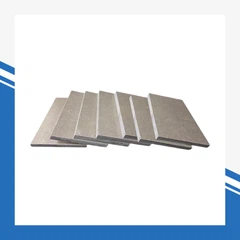
Store mica sheets flat between rigid boards; do not stand upright, as this causes deformation
Maintain moderate humidity to extend service life in fireproof cables
Tip: Inspect packaging before shipment. Quality packaging ensures mica tape arrives ready for insulation and fire protection applications.
Mica Tape Quality Control
Quality control ensures mica tape performs safely and reliably. Each layer is inspected and tested before use, especially critical for calcined mica tape in fire protection systems.
Visual & Mechanical Inspection
First, conduct a thorough visual inspection:
Check for cracks, bubbles, or missing mica flakes
Ensure flatness and smooth edges
Remove defective sections to eliminate weak points
Next, perform mechanical tests:
Bend and stretch the tape to check for breakage or delamination
Calcined mica tape should remain tough and flexible
No separation between mica and backing
Tip: Use clean hands and tools during inspection. Oil or dirt reduces insulation effectiveness.
Electrical Testing
Electrical performance must be verified to ensure high voltage resistance and insulation stability. For calcined mica tape, test performance under high temperatures.
Common Test Standards
| Standard | Description |
|---|---|
| IEC 60331 | Cable remains functional at rated voltage in flames at ~950°C |
| BS 6387 | Resistance to fire, fire with water spray, and fire with impact |
| EN 50200 & UL Tests | Sustained performance under fire and mechanical stress |
Key electrical properties:
Dielectric strength: > 20 kV/mm
High insulation resistance under all operating conditions
Testing after production identifies defects before mica tape is installed in cables or coils.
Final Production Guidelines
High‑quality mica tape is produced through careful material selection and process control:
Careful material selection ensures excellent thermal and electrical performance
Precise laminating helps calcined mica tape pass strict fire and high‑temperature tests
Continuous quality control ensures only top‑grade products are delivered
Understanding the process allows quick troubleshooting and reduced defect rates
When properly manufactured, mica tape - especially calcined mica tape - delivers reliable insulation and fire protection in the most demanding high‑temperature and high‑voltage environments.