






High‑Quality Insulation Materials in 2026
In 2026, top‑tier insulation materials combine traditional formulations and advanced new materials, serving both thermal insulation and electrical insulation purposes. These materials help retain heat in residential buildings, improve efficiency in factories, and protect electronic equipment from electrical failures.
Thermal insulators such as fiberglass, mineral wool, and aerogel effectively block heat transfer. Electrical insulators including ceramics, silicone rubber, and polyimide prevent current leakage to unintended areas.

Most Common Insulation Materials
| Material Category | Subtypes / Typical Examples |
|---|---|
| Thermoplastics | PVC, PE, PP, Nylon, PS |
| Thermosets | Unsaturated polyester, phenolic, melamine |
| Epoxy Resins | Liquid, solid, modified, filled grades |
| Silicone Rubber | High-temp, low-temp, foam |
| Polyimide | Films, foams, resins, coatings |
| Ceramics | Alumina, silica, zirconia |
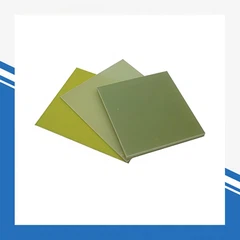
| Fiberglass | E-glass, S-glass, FRP |
| Mica | Muscovite, phlogopite, synthetic mica |
| Others | Natural rubber, PVC composites, TPE |
Thermal insulators resist heat flow; electrical insulators block electric current. In modern applications, every type of insulation serves a specialized purpose.
Key Takeaways
High-performance insulators in 2026 include proven traditional materials like fiberglass, as well as innovative options such as aerogel. Choose based on your specific needs.
Thermal insulation maintains building temperatures. Select materials with high R‑values for superior heat resistance.
Electrical insulators block stray current. Choose materials that withstand voltage, weathering, and harsh environments.
Eco-friendly thermal insulators such as wool and hemp are growing in popularity. They are safe, high‑performance, and environmentally sustainable.
Regular maintenance of insulation is critical. Inspect for damage, control moisture, and keep materials clean to extend service life.
What Makes a Good Insulator?
How Insulation Works
Insulation materials block the transfer of heat or electricity.
Electrical insulators (e.g., glass, rigid plastics) protect people and equipment from electric shock.
Thermal insulators (e.g., fiberglass, mineral wool) slow heat movement, keeping buildings warm in winter and cool in summer.
Thermal insulation is rated by R‑value - the higher the value, the better the performance. Electrical insulators resist current flow, while thermal insulators slow conductive, convective, and radiant heat transfer.
Key Properties
| Property | Explanation |
|---|---|
| Thermal Conductivity | How well a material blocks heat transfer |
| Electrical Conductivity | How strongly a material resists electric current |
| Dielectric Strength | Maximum electrical stress a material can withstand |
| Density | Affects speed of heat or electrical conduction |
| Fire Resistance | Performance under high temperatures and flame exposure |
| Vapor Permeability | Allows moisture vapor to escape, preventing water damage |
| Thermal Expansion | Dimensional change when heated |
Experts prefer materials with low thermal conductivity, high heat resistance, and high specific heat capacity. Low thermal diffusivity slows heat transfer. Good breathability prevents moisture buildup. Fire performance is critical in construction and industrial settings.
Best Insulation Materials for Thermal Protection
Commonly Used Thermal Insulators
Traditional thermal insulators remain widely used for their reliability and energy efficiency.
Fiberglass
Mineral wool
Cellulose
Polyurethane foam
Expanded polystyrene (EPS)
| Insulation Material | R‑Value Range |
|---|---|
| Fiberglass | R‑11 to R‑30 |
| Mineral wool | N/A |
| Cellulose | N/A |
| Polyurethane Foam | High R‑value |
| Polystyrene (EPS) | N/A |
Fiberglass: Affordable, effective, easy to install - ideal for homes and offices.
Mineral wool: Durable and non‑combustible.
Cellulose: Made from recycled paper, eco-friendly and efficient.
Polyurethane foam: High R‑value, seals gaps completely.
Polystyrene: Lightweight, water‑resistant, used in walls and roofs.
Cost & Service Life
| Material Type | Upfront Cost | Service Life | Energy Saving Potential |
|---|---|---|---|
| Fiberglass Batts | Low | 20–30 years | Moderate |
| Cellulose | Low–Medium | 20–30 years | Moderate–High |
| Mineral Wool | Medium | 30+ years | High |
| Open‑Cell Spray Foam | Medium–High | 50+ years | Very High |
| Closed‑Cell Spray Foam | High | 50+ years | Very High |
| Polystyrene (EPS) | Medium | 50+ years | High |
Maintenance Tips
Regular inspections for leaks and physical damage
Moisture control using vapor barriers and ventilation
Physical protection in industrial environments
Routine cleaning to avoid dust buildup
Prompt repair or replacement of damaged sections
Special attention in hot and humid climates
Fire Performance
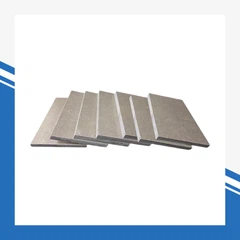
Mineral wool boards, magnesium oxide boards, and fiber cement boards offer excellent fire resistance and are widely used in factories and high‑fire‑risk areas.
Advanced & Eco‑Friendly Options
In 2026, green insulation materials are transforming construction.
| Material | Key Features | Use in Pharmaceutical Logistics |
|---|---|---|
| Aerogel | Ultra‑high thermal performance, thin, strong | Cold‑chain transport of medicines |
| Vacuum Insulation Panels (VIP) | 5–10x more efficient than foam; eco‑friendly | Long‑term temperature control for vaccines |
Bio‑Based Green Insulators
| Material | Properties | Benefits |
|---|---|---|
| Wool | Safe, mold‑resistant, breathable, absorbent | Renewable, excellent insulation |
| Hemp Fiber | Strong thermal performance | Eco‑friendly |
| Hempcrete Boards | Breathable, biodegradable | Insulating & sustainable |
| Hemp‑Clay Panels | Insulating, breathable | Natural, low‑carbon |
Other trends:
Polyisocyanurate insulation gains popularity for superior performance.
Thermal batteries store energy using water, bricks, and specialty materials to support renewable energy.
Aerogel expands into medical, energy storage, heat, and acoustic insulation.
High‑Quality Insulators for Electrical Applications
In 2026, electrical systems rely on diverse insulating materials to ensure safety and prevent short circuits. Selection depends on voltage level, environment, and functional requirements.
Standard Electrical Insulators
| Type | Key Properties | Typical Applications |
|---|---|---|
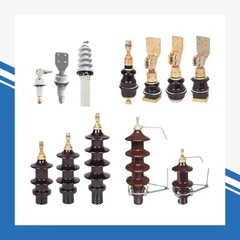
| Ceramic Insulators | Durable, weather‑resistant, high‑voltage capable | High‑voltage lines, harsh outdoor conditions |
| Polymer Insulators | Lightweight, easy to install, water‑resistant | Urban grids, compact spaces |
| Glass Insulators | Cleanable, aesthetic | Special power grids |
| Rubber & PTFE | Chemical‑resistant, waterproof | Wet / harsh environments |
| Paper Insulators | Traditional, low‑cost | Transformers, capacitors |
Moisture and extreme temperatures significantly affect performance:
Moisture encourages current leakage and corrosion.
High heat softens plastics and degrades resins.
High‑Performance Electrical Materials
| Material Type | Key Features | Applications |
|---|---|---|
| Composite Insulators | Lightweight, anti‑pollution | High‑voltage lines, renewable energy stations |
| Silicone Rubber Insulators | Waterproof, long‑lasting | Substations, EV charging stations |
| Specialty Polymers | Damage‑resistant, weatherproof | Public charging points |
| Advanced Composites | Compact, high‑performance | Industrial facilities, green energy |
With the growth of renewables and electric vehicles, demand for composite and polymer insulators is rising. Nanotechnology and advanced coatings improve resistance to dirt, UV, and vibration.
Environmental & Recycling Considerations
Regulations such as the EU WEEE Directive require proper end‑of‑life management:
Primary recycling: Convert waste into virgin‑quality material.
Secondary recycling: Process into lower‑grade products.
Tertiary recycling: Break down into chemicals or fuel.
Quaternary recycling: Recover energy via controlled incineration.
Ceramic insulators may be reused in concrete or road construction. Composite insulators are often energy‑recovered. New recycling solutions are urgently needed to decarbonize power systems.
Extreme Environment Performance
Polyimide: Withstands >500°C, used in hazardous areas.
PTFE (Teflon®): Service temp up to 260°C.
Mica: Heat‑resistant up to 1000°C, electrically insulating - widely used in heating equipment.
Choosing the Best Insulation Material
Key Selection Factors
Purpose of the building or system
Local climate and weather conditions
Budget constraints
Fire safety regulations
Acoustic insulation requirements
Desired service life
Thermal and electrical performance
Sustainability and recyclability
Ignoring fire safety or mechanical strength can be dangerous and may violate building codes. Materials must resist wear, tear, deformation, and thermal cycling.
Matching Material to Application
The right insulator improves safety, efficiency, comfort, and property value.
| Material Type | Benefits | Sustainability |
|---|---|---|
| Recycled Textiles | Safe, strong, easy to handle | 80–85% post‑consumer cotton |
| Recycled Glass | Flame‑resistant, durable | Fully recyclable |
| Natural Renewable Resources | Hypoallergenic, moisture‑regulating | Bamboo, wool, fast‑growth fibers |
Common mistakes to avoid:
Overlooking fire requirements
Underestimating mechanical strength
Ignoring chemical compatibility with other materials
For high voltage or extreme heat, ceramic, glass, and mica are preferred choices.
Frequently Asked Questions
What is the most efficient thermal insulator in 2026?
Aerogel is among the best, offering exceptional R‑value in very thin profiles, saving both energy and space.
Do eco‑friendly insulators perform as well as traditional ones?
Yes - materials like hemp and wool offer long service life, mold resistance, and strong thermal performance while being environmentally friendly.
Can electrical insulators withstand high temperatures?
Absolutely. Polyimide, mica, and PTFE tolerate extreme heat and are widely used in high‑temperature electronics and power systems.
How do I choose between thermal and electrical insulation?
First identify the primary risk: heat or electric current. Use thermal insulation to control temperature and electrical insulation to block stray current. Many projects require both for complete safety.