






A Complete Guide to Thermal Insulation Materials
When choosing insulation materials, you should consider several key factors, including R-value, cost, safety, and suitability for your space. Good insulation helps reduce energy consumption in your home or building. The chart below shows the energy-saving performance of five common insulation types.
You should also evaluate air and vapor permeability, fire resistance, moisture resistance, and installation methods. With this basic knowledge, you can select the right insulation for your project and feel confident in your decision.
Key Takeaways
Understand the R-value: The higher the R-value, the better the thermal resistance. Choose materials matched to your local climate for maximum energy savings.
Plan installation carefully: Some insulation can be easily installed DIY, while others require professional installation. Always plan ahead.
Control moisture: Use closed-cell spray foam or rigid foam boards in damp areas to prevent mold and structural damage.
Prioritize safety: Wear protective gear when handling insulation to protect your skin and lungs.
Choose eco-friendly options: Cellulose and denim insulation are environmentally friendly and improve indoor air quality.
Check local building codes: Ensure your insulation meets required R-values and safety regulations to avoid costly corrections.
Consider your budget: Balance upfront costs with long-term energy savings.
Match insulation to each space: Different areas of a building may require different insulation types for best performance.

What Is Insulation?
Insulation helps prevent heat transfer between the interior and exterior of a building. It traps warm air inside during cold weather and blocks heat from entering in summer. This improves comfort while reducing energy use.
How Insulation Works
Insulation reduces heat flow by creating a barrier that slows conduction, convection, and radiation.
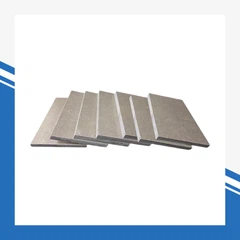
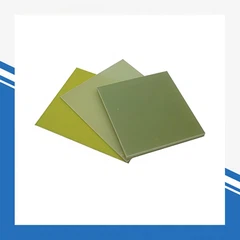
Interestingly, some high-performance insulation materials - such as mica sheets and mica tape - use natural minerals. Mica types include muscovite, phlogopite, and biotite, each suited for specific applications.
Heat transfers in three ways, and insulation targets all of them:
| Mechanism | Description |
|---|---|
| Conduction | Insulation uses low-density materials and thin structures to slow heat movement through solids. |
| Convection | Small trapped air pockets within insulation restrict air movement. |
| Radiation | Low-emissivity surfaces absorb and release less radiant heat. |
Effective insulation blocks heat transfer through walls, ceilings, and floors, maintaining stable indoor temperatures.
Why Insulation Matters
Insulation is essential for energy-efficient construction. Its main function is to reduce heat loss or gain, measured by R-value - higher values mean better performance. Well-installed insulation saves energy and lowers utility costs.
| Benefit | Description |
|---|---|
| Higher energy efficiency | Reduces energy bills and lowers carbon emissions. |
| Improved comfort | Consistent temperatures and fewer drafts. |
| Acoustic performance | Reduces noise for quieter interiors. |
| Sustainability | Helps meet green building standards and improves property value. |
Adding insulation is one of the most cost-effective ways to save energy. Many types can be installed by homeowners, keeping costs low. Beyond energy savings, insulation makes homes and offices quieter and more comfortable.
Types of Insulation Materials
Modern construction uses many insulation types to maintain stable temperatures. They fall into two main categories:
| Category | Description |
|---|---|
| Bulk insulation | Fibrous or porous materials (e.g., fiberglass) that resist conductive and convective heat flow. |
| Reflective insulation | Reflective barriers that redirect radiant heat, commonly used in attics and roofs. |
Common Insulation Materials
Fiberglass
Fiberglass is one of the most popular residential insulation options, available as batts, rolls, or loose fill. It uses fine glass fibers to trap air, slowing heat transfer.
Pros
Effective thermal resistance
Non-combustible
Affordable and widely available
Cons
Can irritate skin and eyes
Requires careful installation to avoid gaps
Limited soundproofing performance
ApplicationsWalls, attics, floors, ceilings; suitable for new construction and retrofits.
Mineral Wool (Rock Wool / Slag Wool)
Mineral wool is made from molten rock or slag spun into fibers. It offers excellent fire resistance and sound absorption.
Pros
Non-combustible and high-temperature resistant
Excellent sound insulation
Moisture and mold resistant
Cons
Heavier than fiberglass
Higher cost
May require special cutting tools
ApplicationsWalls, roofs, floors; industrial facilities, theaters, HVAC systems, and fire-resistant assemblies.
Cellulose
Cellulose insulation is made from recycled paper treated with fire retardants. It is typically blown into wall cavities or attics, making it ideal for filling tight spaces.
Pros
Made from recycled materials, eco-friendly
Excellent air-sealing performance
Affordable and effective for retrofits
Cons
Combustible without fire-retardant treatment
Absorbs moisture if not properly sealed
May settle over time, reducing effectiveness
ApplicationsAttics, walls, floors; especially suitable for older homes.
Rigid Foam Boards
Rigid foam boards provide high-performance thermal insulation. They are made from polystyrene, polyisocyanurate, or polyurethane and used in walls, roofs, and foundations.
Pros
High R-value per inch
Lightweight and easy to handle
Moisture-resistant, ideal for basements and crawl spaces
Durable and long-lasting
Cons
Some types burn and release fumes if exposed to fire
Requires special tape or sealant for joints
Not ideal for direct sunlight without protection
ApplicationsExterior walls, roofs, foundations, basements, garages, and attics.
Spray Foam
Spray foam insulation expands to fill gaps and cracks, creating an airtight and moisture-resistant seal. Two main types: open-cell and closed-cell. Closed-cell offers higher R-value and better moisture resistance.
Pros
Seals air leaks completely
High R-value per inch, especially closed-cell
Adds structural strength to walls and roofs
Perfect for irregular shapes and hard-to-reach areas
Cons
Higher cost than many other types
Requires professional installation
Some formulations emit odors during application
ApplicationsWalls, attics, crawl spaces; new construction and retrofits where air sealing is critical.
Reflective Barriers
Reflective barriers use highly reflective surfaces to redirect radiant heat. Typically installed in attics, roofs, or walls, they do not absorb heat but reflect it outward.
Pros
Reflects up to 97% of radiant heat
Can lower attic temperatures by up to 30°F
Reduces cooling costs by 10–15% in hot climates
Cons
Most effective in hot, sunny climates
Requires proper installation to avoid gaps and dust buildup
Does not block conductive heat or sound
ApplicationsAttics, roof assemblies, garages, warehouses; ideal for warm climates.
Eco-Friendly Insulation Options
Green insulation uses recycled, renewable, or natural materials to reduce environmental impact and improve indoor health.
| Material | Environmental Profile | Key Features |
|---|---|---|
| Hemp insulation | Carbon-negative, breathable, biodegradable | Grows quickly with low water use |
| Wood fiber | Made from wood waste, low carbon footprint | Good for walls and roofs |
| Cellulose | Made from recycled paper, low embodied carbon | Affordable and easy to install |
| Denim / cotton | Made from recycled jeans, soft and non-irritating | Safe to handle |
| Cork | Harvested from bark, renewable, mold and insect resistant | Natural and sustainable |
| Mineral wool | Recyclable, fire-resistant | Higher manufacturing energy use |
For specialized high-temperature applications, mica-based insulation (mica sheets and mica tape made from muscovite, phlogopite, or biotite) provides natural heat resistance suitable for green projects requiring thermal stability.
Pros of Eco-Friendly Insulation
Lower environmental impact
Often made from recycled or plant-based materials
Safer to handle (e.g., cellulose, denim)
Effective thermal performance
Cons
Some options have higher upfront costs
Availability varies by region
Certain materials (e.g., mineral wool) require more energy to produce
ApplicationsResidential, commercial, and industrial buildings; walls, attics, roofs, and moisture-prone areas.
Factors for Choosing Insulation
R-Value
The R-value measures thermal resistance. Higher values mean better insulation.
Cold climates require higher R-values.
Hot climates benefit from high R-values plus radiant barriers.
R-value depends on material type and thickness.
For high-temperature or electrical applications, mica sheets and mica tape provide exceptional heat resistance.
Cost
Upfront cost and long-term savings should both be considered.
| Material | Cost per sq ft (approx.) |
|---|---|
| Cellulose | $0.60 – $2.30 |
| Fiberglass | $0.30 – $1.50 |
| Polystyrene | $0.25 – $0.50 |
| Mineral wool | $1.40 – $4.00 |
| Wood fiber | $4.25 – $6.75 |
| Spray foam | $0.44 – $1.50 (installed) |
Installation
Fiberglass batts, foam boards: suitable for DIY.
Spray foam: requires certified professionals.
Blown cellulose: needs specialized equipment.
Always wear gloves, goggles, and masks during installation.
Safety
Fiberglass and mineral wool may irritate skin and lungs.
Spray foam requires ventilation and professional application.
Mineral wool and fiberglass are naturally fire-resistant.
Cellulose needs fire retardants.
Foam plastics require fire barriers (e.g., drywall).
For high-temperature or electrical areas, mica sheets and mica tape are non-combustible and electrically insulating.
Environmental Impact
Green materials reduce carbon footprints, use recycled content, and minimize toxicity. Mica insulation is natural, durable, and suitable for specialized sustainable projects.
Applications by Space & Use Case
Residential
Walls: fiberglass batts, spray foam.
Attics: blown cellulose, reflective barriers.
Basements: closed-cell spray foam, rigid foam.
Sound control: mineral wool, dense fiberglass.
Commercial
High R-value roofing: polyisocyanurate boards.
Fire safety: mineral wool.
Air sealing: spray foam.
Cost-effective solutions: fiberglass.
Industrial
High temperatures: mineral wool, mica sheets / mica tape.
Pipes and tanks: closed-cell foam.
Moisture and corrosion resistance: closed-cell foam.
Special Applications
| Application | Recommended Insulation | Reason |
|---|---|---|
| High-temperature areas | Mica sheets, mica tape | Heat-resistant, non-combustible |
| Electrical safety | Mica tape, mica sheets | Non-conductive, fireproof |
| Moist environments | Closed-cell foam, rigid foam | Water-resistant, mold-proof |
| Soundproofing | Mineral wool, dense fiberglass | Absorbs noise |
| Eco-friendly / low-VOC | Cotton, wool, cellulose | Non-toxic, renewable |
Step-by-Step Insulation Guide
1. Assess Your Needs
Determine your climate (hot, cold, humid).
Identify areas to insulate: walls, attic, basement, equipment.
Set budget and sustainability goals.
Review local building codes.
2. Compare Insulation Types
Evaluate R-value, cost, moisture resistance, fire safety, and ease of installation. For high-heat or electrical zones, consider mica-based products.
3. Verify Building Codes
Confirm minimum R-values, fire requirements, and vapor barrier rules. Non-compliance may result in fines or rework.
4. Plan Costs
Measure areas, compare material prices, include labor and tools. Check for energy rebates or tax incentives.
5. Install Properly
Seal air leaks before insulating.
Avoid compressing insulation.
Use professional installation for spray foam.
Wear safety equipment.
Common Mistakes to Avoid
Ignoring R-value: leads to poor efficiency and higher energy bills.
Neglecting moisture control: causes mold, rot, and reduced performance.
Choosing based only on price: cheap materials may cost more long-term.
Skipping professional advice: leads to mismatched materials or unsafe installation.
Poor installation: gaps and compression drastically reduce effectiveness.
Maintenance & Upgrades
Inspect insulation annually for moisture, mold, or settling.
Repair gaps or damaged areas immediately.
Upgrade to higher-performance materials for better efficiency.
Consider reflective barriers in hot climates.
Use mica insulation for high-temperature retrofits.
Frequently Asked Questions (FAQ)
What does R-value mean in insulation?
R-value measures thermal resistance. Higher R-value = better insulation.
Can I install insulation myself?
Yes - fiberglass batts, rigid foam, and some cellulose are DIY-friendly. Always wear protection. Spray foam requires professionals.
What insulation is best for damp areas?
Closed-cell spray foam and rigid foam boards resist water and mold.
Are eco-friendly insulations safe?
Yes - cellulose, cotton, and wool are non-toxic, made from recycled or natural materials.
When should I use mica-based insulation?
Use mica sheets or mica tape in high-temperature or electrical areas. They are non-combustible and non-conductive, ideal for industrial and fire-safe applications.
How do I choose insulation for my climate?
Check local building codes for required R-values. Cold climates need higher R-values; hot climates benefit from reflective insulation.
Does insulation reduce noise?
Yes - mineral wool and dense fiberglass provide excellent sound absorption.
What is the difference between fiberglass and mineral wool?
Fiberglass is cheaper and easier to install. Mineral wool offers better fire and sound resistance.
Conclusion
Choosing the right insulation requires understanding your climate, space, safety needs, and budget. By selecting appropriate materials and installing them correctly, you can significantly reduce energy use, improve comfort, and enhance building safety.
For standard applications, fiberglass, cellulose, foam, and mineral wool provide reliable solutions. For high-temperature, fire-resistant, or electrical environments, mica-based insulation delivers durable, high-performance protection.