








Transformers are fundamental equipment in power transmission and distribution systems. For industrial buyers, EPC contractors, and utility companies, understanding how transformers are classified is not just technical knowledge-it directly affects project reliability, safety, and total lifecycle cost.
In emerging markets such as Brazil, where grid expansion, renewable energy integration, and industrial electrification are accelerating, selecting the right transformer type has become increasingly important.
Classification by Phase: Single-Phase and Three-Phase Transformers

Single-Phase Transformers
Single-phase transformers are mainly used in low-capacity and localized power supply systems.
Typical applications:
Residential distribution networks
Rural electrification projects
Small commercial facilities
Auxiliary power systems
Key characteristics:
Simple structure and easy installation
Lower manufacturing and maintenance cost
Flexible for scattered load distribution
In many rural areas of Brazil and other emerging markets, single-phase transformers remain widely used due to lower initial investment and ease of replacement.
However, for high-load or continuously operating systems, single-phase solutions may result in lower efficiency and higher line losses.
Three-Phase Transformers
Three-phase transformers are the standard choice for industrial and large-scale power systems.
Typical applications:
Industrial plants and manufacturing facilities
Urban distribution substations
Renewable energy projects (wind and solar farms)
Transmission and sub-transmission networks
Key characteristics:
Higher power density and efficiency
More stable voltage output
Lower losses per kVA compared to single-phase units

From a procurement perspective, three-phase transformers help reduce:
Installation footprint
Cable and conductor cost
Long-term operating losses
For most industrial and utility projects, three-phase transformers are considered the preferred and more economical solution over the full service life.
Classification by Insulation and Cooling Medium

Oil-Immersed Transformers
Oil-immersed transformers are the most widely used type globally, especially in medium and high voltage systems.
Why oil is used:
Excellent dielectric strength
Effective heat dissipation
Proven performance over decades of operation
Common insulating oils:
Mineral oil
Natural ester oil (increasingly adopted for environmental and fire-safety requirements)
Typical applications:
Outdoor substations
Industrial distribution systems
Power generation and transmission projects
Industry experience shows that well-designed oil-immersed transformers can achieve a service life of 30 years or more, making them ideal for long-term infrastructure investment.
Dry-Type Transformers
Dry-type transformers use air or solid insulation systems instead of liquid insulation.
Typical applications:
Commercial buildings
Hospitals and public facilities
Underground substations
Indoor industrial environments

Key advantages:
No risk of oil leakage
Lower fire hazard
Reduced environmental impact
However, dry-type transformers generally have:
Higher initial cost per kVA
Lower overload capability
More sensitivity to ambient temperature
In hot and humid regions, proper ventilation and temperature control are essential to ensure reliable operation.
Practical Comparison: Oil-Immersed vs. Dry-Type Transformers
| Aspect | Oil-Immersed Transformer | Dry-Type Transformer |
|---|---|---|
| Cooling efficiency | High | Moderate |
| Fire risk | Higher (controlled by design) | Lower |
| Outdoor suitability | Excellent | Limited |
| Maintenance | Periodic oil monitoring | Minimal |
| Typical capacity range | Wide (up to very high MVA) | Usually lower |
For outdoor and high-capacity projects in emerging markets, oil-immersed transformers remain the dominant choice, while dry-type transformers are preferred where fire safety and indoor installation are priorities.
Why This Classification Matters for Buyers?
From a buyer's perspective, choosing the right transformer type helps to:
Avoid unnecessary over-specification
Prevent early failures caused by mismatched operating conditions
Optimize investment and operating costs
Meet local grid codes and safety standards
In practice, transformer failures are often linked not to manufacturing defects, but to incorrect selection during the procurement stage.
Our Experience Supporting Transformer Projects
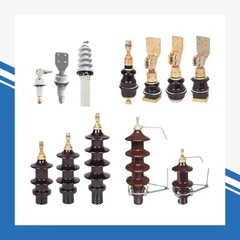
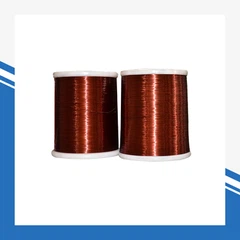
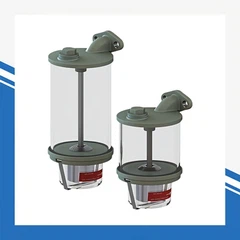
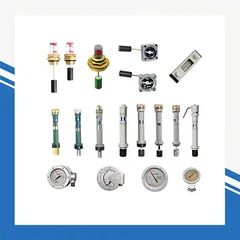
We work closely with transformer manufacturers and project contractors to supply reliable materials and components used in both oil-immersed and dry-type transformers.
Our experience in serving international markets allows us to understand:
High-temperature and high-humidity operating environments
Long-term reliability requirements
Standard compliance expectations (IEC / IEEE)
By focusing on material performance and application matching, we help customers improve transformer durability and reduce lifecycle risk.