






The mica sheet in your microwave isn't just a replaceable part-it's a critical safety component that shields the appliance from sparks and heat damage. But what happens if you remove it? As a trusted supplier of mica-based insulation materials for industrial and consumer applications, we'll explain why mica is irreplaceable, showcase our product advantages, and address wholesale buyers' top concerns: quality, cost efficiency, and compliance.
Part 1: Why Mica Sheets Are Essential for Microwaves

1.1 The Role of Mica in Microwaves
Heat Resistance: Withstands temperatures up to 900°C, protecting the magnetron and waveguide.
Electrical Insulation: Prevents arcing by insulating high-voltage components.
Transparency to Microwaves: Allows energy to pass through while blocking sparks.
1.2 Risks of Operating Without a Mica Sheet
Fire Hazard: Food splatter can ignite on exposed magnetron components.
Component Damage: Arcing can destroy the magnetron ($100+ replacement cost).
Reduced Efficiency: Uneven heating and longer cook times.
1.3 Why Generic Replacements Fail
Paper or Foil: Burns instantly, causes arcing.
Low-Grade Mica: Cracks under thermal stress, lacks dielectric strength.
Part 2: Our Mica Products – Engineered for Safety & Performance
We specialize in mica sheets, rolls, and custom components for industries ranging from appliances to power transformers. factories, we provide ISO 9001-certified.

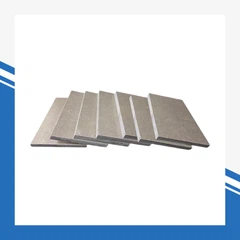
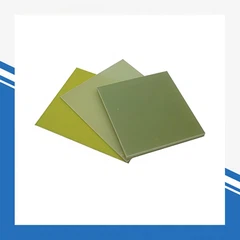
2.1 Mica Sheets
Applications: Microwave shielding, electric furnace windows, transformer insulation.
Key Advantages:
Material Options:
Natural Muscovite Mica: High dielectric strength (15–25 kV/mm), cost-effective.
Synthetic Mica (Phlogopite): Superior heat resistance (1,000°C+), ideal for industrial ovens.
Standard Specifications:
| Parameter | Natural Mica | Synthetic Mica |
|---|---|---|
| Thickness | 0.1–3.0 mm (±0.05mm) | 0.2–5.0 mm (±0.1mm) |
| Dielectric Strength | 15–25 kV/mm | 10–20 kV/mm |
| Continuous Heat | 500–700°C | 800–1,000°C |
| MOQ | 50 sheets | 100 sheets |
Customization:
Cut-to-size shapes (laser or die-cut).
Adhesive backing for easy installation.
2.2 Mica Rolls
Applications: Flexible insulation for cables, motors, and heaters.
Key Advantages:
Reinforced Options:
Glass Fiber-Backed: Tensile strength ≥50 N/cm.
Silicone-Coated: Waterproof, UV-resistant.
Standard Specifications:
| Parameter | Standard Roll | Reinforced Roll |
|---|---|---|
| Width | 100–1,200 mm | 100–1,000 mm |
| Thickness | 0.1–1.0 mm | 0.2–2.0 mm |
| Temperature | -50°C to 500°C | -60°C to 800°C |
| MOQ | 50 linear meters | 100 linear meters |
2.3 Custom Mica Components
Applications: Insulating washers, gaskets, transformer barriers.
Key Advantages:
Precision Machining: CNC cutting (±0.1mm tolerance).
Complex Shapes: Multi-layer laminations, drilled holes.
Material Compliance: UL 94 V-0 flame retardancy, RoHS-certified.
Part 3: Why Wholesale Buyers Choose Us
3.1 Quality Assurance
Raw Material Sourcing:
Natural mica from Indian/Brazilian mines (low iron content ≤1.5%).
Synthetic mica from ISO-certified Asian suppliers.
Testing Protocols:
Thermal Cycling: 1,000+ cycles between -40°C and 500°C.
Dielectric Tests: 3x rated voltage for 1 minute (IEC 60371).
Certifications: UL, RoHS, REACH, ASTM D352.
3.2 Cost Efficiency
Competitive Pricing:
Natural mica sheets: 8–8–15/sqm (FOB).
Synthetic mica rolls: 20–20–50/sqm (FOB).
Bulk Discounts: 5–10% off orders >500 sqm.
3.3 Customization & Flexibility
Tailored Solutions:
Thickness adjustments (±5%).
Perforated patterns for ventilation.
MOQs: As low as 50 sheets or 50 meters (rolls).
Part 4: Applications Beyond Microwaves – Industrial Uses
4.1 Electrical Insulation
Transformers: Mica barriers for oil-immersed systems.
Motors & Generators: Slot liners, phase separators.
4.2 High-Temp Equipment
Industrial Furnaces: Viewing windows, heating element shields.
Aerospace: Firewall insulation in engines.
4.3 Consumer Appliances
Hair Dryers: Insulating sleeves for heating coils.
Toasters: Heat-resistant internal barriers.
Part 5: Risks of Using Low-Quality Mica
5.1 Thermal Failure
Delamination: Layers separate under cyclic heating.Cracking: Poorly processed mica fractures at 300–400°C.
5.2 Electrical Hazards
Arcing: Low dielectric strength causes short circuits.
Part 6: How to Identify Premium Mica
6.1 Visual Inspection
Natural Mica: Transparent with slight iridescence; no bubbles/cracks. Synthetic Mica: Uniform color, smooth edges.
6.2 Performance Tests
Burn Test: Genuine mica won't ignite or smoke below 800°C.
Flex Test: High-quality sheets bend 180° without breaking.
Compliance Failures: Rejected shipments due to missing UL/RoHS marks.