






3240 vs FR4 Epoxy Board: Differences & Selection Guide
Epoxy glass cloth laminates are the most widely used insulation materials in electrical and electronic industries. Among them, 3240 and FR4 look similar but differ significantly in material, flame retardancy, environmental performance and applications. Weshare summarizes their core differences and selection principles as below.
1. Basic Definition & Standard System
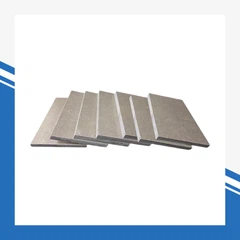
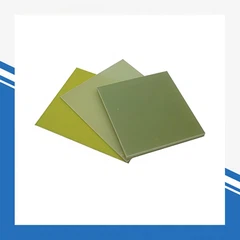
3240 Epoxy BoardA Chinese national standard (GB/T 1303) grade, formally named Epoxy Glass Cloth Laminate.Made of electrical glass cloth impregnated with epoxy resin, hot-pressed and cured.Temperature class: B-class (155°C).Typical color: yellow.

FR4 Epoxy BoardA NEMA (USA) standard grade; "FR" = Flame Retardant, "4" = material class.Made of electronic-grade glass cloth + flame-retardant epoxy resin.Flame retardancy: UL94 V-0 (self-extinguishing).Typical color: water green / green.

2. Core Differences in Performance
| Item | 3240 Epoxy Board | FR4 Epoxy Board |
|---|---|---|
| Resin System | General epoxy resin (non-flame-retardant) | Flame-retardant epoxy resin (often halogen-free) |
| Flame Retardancy | HB (no self-extinguishing) | UL94 V-0 (self-extinguishing) |
| Environmental Property | Contains halogen; less eco-friendly | Halogen-free, low smoke, compliant with RoHS |
| Dielectric Constant (1 MHz) | 4.8–5.2 | 4.3–4.7 (better for high frequency) |
| Dielectric Loss | 0.03–0.04 | 0.018–0.025 (lower loss) |
| Bending Strength | 500–650 MPa (higher mechanical strength) | 350–450 MPa |
| Tg (Glass Transition Temp) | ≥130°C | 130–140°C (high-Tg version ≥170°C) |
| Dimensional Stability | Good | Excellent, tighter thickness tolerance |
| Price | Lower (cost-effective) | Higher (premium performance) |
3. Typical Applications
3240 Epoxy Board
General electrical insulation parts: transformers, low-voltage motors, switchgears.
Mechanical insulation components, fixtures, insulating blocks.
Ordinary industrial environments with no strict flame retardancy requirements.
Cost-sensitive projects where high mechanical strength is needed.
FR4 Epoxy Board
PCB base material (the most common substrate for electronics).
High-frequency and high-speed circuits, communication equipment.
Power electronics, new energy vehicles, battery packs, rail transit.
Safety-critical applications requiring V-0 flame retardancy.
Humid or harsh environments needing stable electrical performance.
4. How to Choose: 3240 or FR4?
Choose 3240 if:
Your priority is low cost + high mechanical strength.
Working temperature ≤130°C, no flame retardancy requirement.
Used in general industrial insulation, transformers, low-voltage electricals.
Choose FR4 if:
You need V-0 flame retardancy and better safety.
Application in PCBs, high-frequency circuits, new energy, rail transit.
Requirement for low dielectric loss, high dimensional stability, RoHS compliance.
5. Conclusion
In short:3240 = general-purpose, high mechanical strength, low cost, non-flame-retardant.FR4 = flame-retardant (V-0), low loss, high frequency friendly, eco-friendly, higher cost.
FR4 can be seen as an upgraded, safer, more stable version of 3240 for modern high-end electronics and power equipment.
Weshare Tip: Confirm your requirements for flame retardancy, frequency, temperature and budget before selection. Weshare provides both 3240 and FR4 boards with customized cutting, machining and one-stop insulation solutions.