






Why Comfort in Your Car Matters
Tired of your car turning into an oven under the sun? Fed up with road noise drowning out conversations and music? These comfort killers don't just ruin your drive - they overwork your air conditioning and turn every trip into a stressful experience.
You've invested in your vehicle. It should be a sanctuary, not a source of discomfort. The solution lies in advanced automotive insulation materials - especially mica.This guide covers everything you need to know about car thermal and acoustic insulation, why mica stands out, and how to choose the right materials for your car.
What is Automotive Insulation and Why It Matters
What is Automotive Insulation?
Automotive insulation controls the transfer of thermal energy (heat) and acoustic energy (sound) inside your vehicle.It creates a barrier between the cabin and the outside environment, blocking heat from the engine and exhaust while stopping external temperatures from seeping in.
Think of it as creating a stable, comfortable interior - no matter the weather outside.While many people focus on sound deadening, a complete solution must also manage heat through thermal insulation.
Benefits of Effective Automotive Insulation
High-quality car thermal and acoustic insulation delivers major advantages:
Enhanced Comfort: Keeps the cabin cooler in summer and warmer in winter, reducing reliance on HVAC and creating a more pleasant atmosphere.
Superior Acoustics: Car acoustic insulation drastically lowers road, wind, and exhaust noise, delivering a quieter ride and letting your sound system perform at its best.
Improved HVAC Efficiency: Thermal insulation prevents heat transfer, making heating and cooling more efficient and potentially improving fuel economy.
Interior Protection: Extreme heat damages dashboards, cracks leather, and weakens plastic. Insulation stabilizes cabin temperature, preserves surfaces, and maintains your vehicle's value.
How Automotive Insulation Works & Why Mica Is Superior
The Science of Insulation
Automotive insulation targets three types of heat transfer and blocks or absorbs sound waves:
Conduction: Heat transfer through direct contact - slowed by low-conductivity materials
Convection: Heat transfer through air movement - stopped by trapping small air pockets
Radiation: Heat transfer via electromagnetic waves - blocked by reflective materials
For sound control, materials work by:
Damping: Reducing vibration in metal panels using dense, heavy materials
Sound absorption: Trapping and dissipating sound waves using porous materials like foam
Common Insulation Materials
Several materials are used for car sound and heat control:
Butyl Rubber: Excellent vibration damping, often paired with aluminum foil for heat reflection
Asphalt Felt: Lower cost but heavy and may emit odors at high temperatures
Foam: Closed-cell foam acts as both thermal insulator and sound absorber
Fiberglass / Ceramic: Used in high-heat areas like firewalls and transmission tunnels
Why Mica Is a Game-Changer
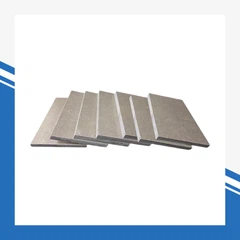
Mica is a natural mineral with unique properties perfectly suited for automotive use.Its thin, flexible sheet structure delivers exceptional thermal and electrical insulation.
Key Advantages:
Extreme Heat Resistance: Withstands very high temperatures without degradation - ideal near engines and exhaust systems
Excellent Acoustic Damping: Layered structure effectively dissipates sound wave energy
Lightweight & Flexible: Doesn't hurt performance or fuel economy; conforms to complex body panels
Durable & Safe: Non-combustible, moisture-resistant, and will not rot or mold - providing long-lasting, odor-free protection
Choosing the Right Automotive Insulation Solution
1. Define Your Main Goals
Maximum Sound Deadening: Focus on high-density materials like butyl rubber for doors, floors, and trunks.
Heat Insulation Priority: Choose thermal insulation with reflective aluminum foil for roofs and firewalls. Mica-containing materials perform best in high-heat zones.
Balanced Solution: Use a multi-layer approach - butyl-based materials for floors and doors, mica composites for firewalls and roofs.
2. Consider the Application Area
Different zones require specific types of insulation:
Doors: Combine damping material and closed-cell foam to reduce road noise and improve speaker performance
Floors: Heavy-duty sound deadening to block road and exhaust noise
Firewall: Critical for blocking engine heat and noise - use high-temperature mica-based insulation
Roof: Lightweight thermal insulation with reflective layer to stop solar heat absorption
Trunk: Acoustic insulation to reduce exhaust and road noise
3. Evaluate Material Quality
Thickness & Density: Thicker, denser materials block low-frequency noise better
Temperature Rating: Check maximum heat resistance for areas near the engine
Adhesive Quality: High-strength, high-temperature adhesive ensures materials stay secure in extreme conditions
FAQ
Q: How much does professional car insulation cost?
Cost ranges from a few hundred to several thousand dollars, depending on vehicle size, material quality, and coverage. DIY kits offer a budget-friendly alternative.
Q: Can I install car insulation myself?
Yes. Many products are designed for DIY installation, involving panel removal, surface cleaning, and material application. It requires patience but is manageable for most enthusiasts.
Q: Will my car be completely silent?
Car insulation significantly reduces noise but won't reach studio-level silence. The goal is to lower unwanted noise to unobtrusive levels for a peaceful drive.
Q: Will insulation reduce my car's performance?
A full treatment may add 50–70 lbs. The impact is minimal for most vehicles, but performance-focused drivers may prefer lightweight materials like foam or mica-based composites.