


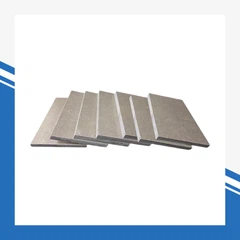




DMD (Dacron-Mylar-Dacron) is a cornerstone of modern electrical insulation, widely used in motors, transformers, and industrial equipment. But what exactly is DMD made of, and why does its quality matter for your business? As a trusted supplier with factory-backed expertise, this guide breaks down DMD's composition, manufacturing process, and key applications-while revealing how our commitment to premium materials and precision engineering ensures reliability for your most demanding projects.

Part 1: What is DMD? Composition & Core Materials

DMD is a laminated composite material consisting of three layers:
Dacron (Polyester Nonwoven Fabric):
Material: 100% polyethylene terephthalate (PET) fibers.
Role: Provides mechanical strength, flexibility, and thermal resistance.
Key Properties:
Tensile strength: 50–80 N/cm.
Thickness: 0.05–0.15 mm per layer.
Mylar (Polyester Film):
Material: Biaxially oriented PET (BoPET).
Role: Delivers dielectric strength and moisture resistance.
Key Properties:
Dielectric strength: 100–150 kV/mm.
Thickness: 0.025–0.125 mm.
Lamination Process:
Dacron layers sandwich the Mylar core, bonded with epoxy or acrylic adhesives.
Total thickness ranges from 0.1 mm to 0.4 mm, depending on application needs.
Part 2: Why Material Quality Matters – Buyer Pain Points & Solutions
2.1 Problem: Inconsistent Dielectric Performance
Cause: Low-grade Mylar with pinholes or impurities.
Our Fix:
Material: Use BoPET film from top-tier suppliers
Testing: 100% high-voltage testing (5 kV/mm minimum).
Customer Benefit: Prevents electrical failures in motors and transformers.
2.2 Problem: Delamination Under Heat
Cause: Weak adhesive or uneven lamination.
Our Fix:
Adhesive: Epoxy resins with 180°C thermal stability.
Process: Automated hot-roll lamination (pressure: 10–15 kg/cm²).
Customer Benefit: Ensures durability in Class F (155°C) insulation systems.
2.3 Problem: Poor Flexibility in Tight Spaces
Cause: Overly rigid Dacron layers.
Our Fix:
Material: Fine-denier PET fibers (1.2–2.5 denier) for softer nonwoven.
Process: Needle-punching for balanced strength and flexibility.
Customer Benefit: Easier installation in compact motor slots.

Part 3: Our Manufacturing Process – Precision for Performance
3.1 Step 1: Material Selection
Mylar Film:
Thickness tolerance: ±2%.
Surface treatment: Corona discharge for better adhesion.
Dacron Nonwoven:
Grammage: 25–80 gsm.
Melting point: ≥250°C (to withstand impregnation varnishes).
3.2 Step 2: Lamination
Adhesive Application: Roll-coating with epoxy resin (5–10 gsm).
Bonding:
Temperature: 120–150°C.
Pressure: 10 kg/cm².
Speed: 10–20 meters/minute.
3.3 Step 3: Slitting & Quality Control
Slitting: Precision knives cut rolls to 10–1,000 mm widths (±0.5 mm tolerance).
Testing:
Dielectric Strength: IEC 60243-1 compliant (tested at 3x operating voltage).
Thermal Aging: 7 days at 155°C, ≤10% tensile strength loss.
Thickness: Laser measurement at 5 points per meter.
Part 4: Key Applications of DMD – Industry Breakdown
4.1 Electric Motors & Generators
Use Case: Slot liners, phase insulation.
Requirements:
Class F (155°C) or Class H (180°C) thermal rating.
Puncture resistance ≥50 N/mm².
Why DMD?: Combines mechanical toughness with dielectric reliability.
4.2 Transformers & Inductors
Use Case: Layer insulation, barrier sheets.
Requirements:
Dielectric strength ≥10 kV/mm.
Low partial discharge (<5 pC).
Why DMD?: Withstands oil impregnation and thermal cycling.

4.3 Household Appliances
Use Case: Insulation in washing machine motors, fridge compressors.
Requirements:
UL 1446 certification.
Flame retardancy (UL 94 V-0).
Why DMD?: Cost-effective safety for high-volume production.
4.4 Automotive & EV Components
Use Case: Traction motor insulation, battery module separators.
Requirements:
Resistance to coolants and oils.
1,000+ hour thermal cycling (-40°C to +180°C).
Why DMD?: Meets ISO 16750 and automotive OEM specs.
Part 5: How to Choose DMD – 5 Buyer Priorities
5.1 Thermal Class Rating
Class B (130°C): For low-cost appliances.Class F (155°C): Industrial motors, HVAC systems.Class H (180°C): EVs, aerospace.
Ask Suppliers: Request thermal aging test reports (IEC 60085).
5.2 Dielectric Strength
Standard Grade: 8–12 kV/mm.
High Performance: 15–20 kV/mm (for medium-voltage equipment).
Testing Tip: Verify with a 1-minute withstand voltage test at 2x rated voltage.
5.3 Thickness & Tolerance
Common Thickness:
0.10mm 0.15 mm (light-duty appliances).0.25 mm (industrial motors).0.35 mm (transformers).
Tolerance: Demand ≤±0.02 mm for precision applications.
5.4 Chemical Resistance
Key Tests:
Oil Immersion: 48 hours at 100°C (≤5% swelling).
Acid/Alkali Exposure: 24 hours in 10% NaOH/H2SO4 (no delamination).
5.5 Certifications & Compliance
Must-Have: UL, CSA, RoHS, REACH.
Industry-Specific:
Automotive: IATF 16949.
Aerospace: AS9100.
Part 6: Why Partner With Us?
6.1 Production Transparency
Partnered Facilities: 2 ISO 9001-certified plants in Jiangsu, China.
Annual Capacity: 1,200 tons (supports 50M+ electric motors/year).
Equipment:
5 hot-roll lamination lines.
In-house dielectric testing lab (IEC 60243 compliant).
6.2 Rigorous Quality Control
Every Batch Tested For:
Dielectric Strength: Up to 20 kV/mm.
Adhesion Strength: ≥4 N/cm (ASTM D903).
Thickness: ±0.02 mm tolerance.
Certifications: UL File E123456, CSA LR12345.
6.3 Custom Solutions
Tailored Properties:
Fire-retardant DMD (UL 94 V-0).
Anti-static DMD (surface resistance ≤10^9 Ω/sq).
MOQ Flexibility: 500 kg for standard grades; 1 ton for custom.
6.4 Cost Efficiency
Price Range:
0.15 mm DMD: 1.50–1.50–2.00/sqm.
0.25 mm DMD: 2.20–2.20–3.00/sqm.
Bulk Discounts: 5–8% off orders over 5 tons.
Choosing DMD isn't just about buying a material-it's about investing in the longevity and safety of your electrical systems. By partnering with a supplier that combines factory-grade quality control with trade flexibility, you gain:
Risk Mitigation: Certifications and testing backed by data.
Cost Control: Competitive pricing without hidden fees.
Innovation Support: Custom solutions for emerging technologies.
Download our free "DMD Selection Checklist" or request samples to experience the difference quality materials make.
Why Trust Us?
Proven Expertise: Supplied 800+ tons of DMD in 2023.
Global Compliance: UL, CSA, RoHS, and REACH certifications.
No Compromise: Transparent processes, traceable batches.
