

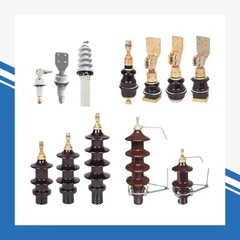
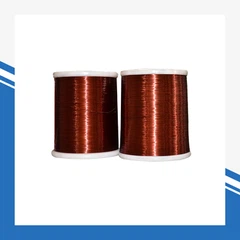

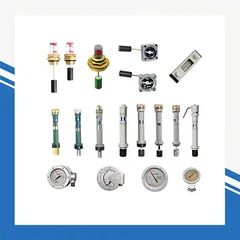





Understanding the distinction between generator transformers and power transformers is critical for optimizing electrical systems. As a trusted supplier of transformer components-including cores, wheels, valves, and tap changers. This guide explains the differences between these transformers, highlights the advantages of our components, and addresses wholesale buyers' top priorities: quality, cost-efficiency, and supply chain reliability.

Part 1: Generator Transformers vs. Power Transformers – Key Differences
1.1 Application & Function
Generator Transformers:
Role: Step up voltage from power plants (e.g., 20 kV to 400 kV) for efficient transmission.
Location: Directly connected to generators in power stations.
Key Challenges: High short-circuit currents, frequent load fluctuations.
Power Transformers:
Role: Adjust voltage levels in transmission/distribution networks (e.g., 400 kV to 132 kV).
Location: Substations, industrial complexes.
Key Challenges: Long-term stability, energy efficiency.
1.2 Design & Performance
| Parameter | Generator Transformer | Power Transformer |
|---|---|---|
| Voltage Rating | 20 kV – 400 kV | 33 kV – 765 kV |
| Load Profile | Frequent cycling (peaks/valleys) | Steady, continuous operation |
| Cooling Requirements | Forced oil/air cooling | ONAN/ONAF cooling |
| Efficiency | 98–99% | 99–99.5% |
1.3 Component Implications
Generator Transformers: Require robust cores and tap changers to handle thermal stress.
Power Transformers: Prioritize low-loss cores and durable insulation for longevity.
Part 2: Our Transformer Components – Advantages & Specifications
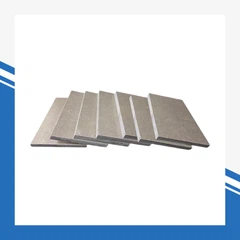
2.1 Transformer Cores
Material Options:
CRGO (Cold-Rolled Grain-Oriented) Steel: Low hysteresis loss (1.0–1.5 W/kg at 1.7 T).
Amorphous Metal: 70–80% lower core loss vs. CRGO, ideal for high-efficiency transformers.
Key Advantages:
Precision Stacking: Air gap ≤0.1mm for reduced noise and losses.
Custom Sizes: Laminations cut to ±0.2mm tolerance.
Applications:
Generator Transformers: CRGO for high flux density.
Power Transformers: Amorphous cores for energy savings.
2.2 Transformer Wheels (Rolling Stock)
Material: Cast iron or steel with anti-corrosion coating.
Load Capacity: 10–50 tons, customizable for transformer weight.
Key Advantages:
Durability: Tested for 10,000+ rolling cycles.
Safety: Locking mechanisms prevent accidental movement.
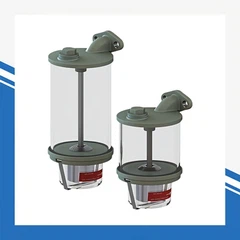
2.3 Transformer Valves
Types:
Oil Drain Valves: Brass/SS304, pressure-rated up to 50 psi.
Pressure Relief Valves: Auto-reset at 10–15 psi.
Key Advantages:
Leak-Proof: Double-seal design (IP67 rating).
Compliance: Meet IEEE C57.12.10 standards.
2.4 Tap Changers (Off-Circuit & On-Load)
Types:
Off-Circuit Tap Changers: Manual adjustment during de-energized states.
On-Load Tap Changers (OLTC): Automatic voltage regulation under load.
Key Advantages:
OLTC Durability: 500,000+ operations (IEC 60214-1).
Contact Material: Silver-nickel alloy for low resistance (≤10 µΩ).
Part 3: Why Choose Us? Addressing Wholesale Buyer Priorities
3.1 Quality Assurance
Material Traceability: Batch-specific mill test reports (MTRs) for CRGO/amorphous steel.
Testing Protocols:
Cores: Epstein frame tests for core loss (IEC 60404-2).
Valves: Pressure cycling (10,000+ cycles).
Certifications: ISO 9001, IEEE, IEC, and ANSI compliance.
3.2 Cost Efficiency
Competitive Pricing:
CRGO cores: 2.50–2.50–4.00/kg (FOB).
OLTCs: 1,000–1,000–5,000/unit (based on voltage rating).
Bulk Discounts: 5–10% off orders >10 tons of cores or 100+ valves.
3.3 Customization & Flexibility
Tailored Solutions:
Cores: Custom stacking configurations (3–5 phases).
Tap changers: Adjustable voltage steps (2.5–5% increments).
MOQs:
Cores: 1 ton.
Valves/Wheels: 50 units.
3.4 Supply Chain Reliability
Lead Times:
Standard components: 20–30 days.
Custom orders: 40–60 days.
Global Logistics:
Shipping from China/Vietnam hubs via DHL, FedEx, or sea freight.
Pre-shipment inspections (SGS/BV) available.