






What is a Gasket?
Definition
A gasket is a mechanical component placed between two mating surfaces to create a tight, leakproof seal. It prevents the escape or entry of liquids, gases, dust, or contaminants.
Gaskets are widely used in all kinds of machinery and equipment, including automobiles, household appliances, and electrical junction boxes. Their main roles are to maintain internal safety and prevent leakage.
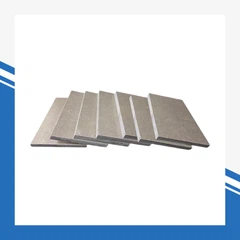
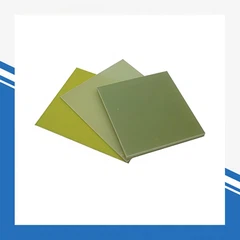
Weshare is a leading supplier of mica gaskets and insulation materials, with strong focus on R&D and quality control. Our mica gaskets perform exceptionally under high heat and high voltage, and are widely used in electric heating equipment, wires, and cables. Weshare is committed to quality, ensuring reliable performance every time.

What is a Mica Gasket?
Materials & Shapes
Gaskets can be made from many different materials, each with unique advantages. Common options include rubber, PTFE, graphite, composites, and foam.
| Material Type | Advantages | Disadvantages |
|---|---|---|
| Rubber | Flexible, conforms to complex shapes, high productivity | Long production lead times, not ideal for high-efficiency needs |
| PTFE | High precision, suitable for small / complex designs, short cycle times | High mold cost, less ideal for small-batch customization |
| Graphite | Durable, corrosion-resistant, performs in extreme conditions | High cost, long production time |
| Composite | Excellent corrosion resistance, multi-performance integration | Complex equipment, challenges in thickness uniformity |
| Foam | Highly flexible, adapts to complex shapes, no mechanical stress | Thickness limitations, high initial equipment investment |
Gaskets also come in many shapes for different applications:
P-profile seal: general sealing
D-profile seal: cabs, machine housings
E-profile seal: high-temperature, chemical-resistant food processing
Lip seal: water filtration systems
Flat gasket: flat surfaces in machinery
O-ring: hydraulic & pneumatic systems
What makes mica gaskets special?
Mica stands out for its extreme heat resistance and excellent electrical insulation.Weshare mica gaskets withstand very high temperatures, do not burn in fire, and offer dielectric strength above 25 kV/mm.They are ideal for applications where safety and durability are critical.
| Property | Specification |
|---|---|
| Operating Temperature | 1850°F (1000°C) |
| Fire Resistance | Non-flammable |
| Thermal Conductivity | Low |
| Electrical Insulation | > 25 kV/mm |
| Chemical Resistance | Resists most chemicals |
| Compressive Strength | Excellent |
Gasket performance depends on material and shape. Weshare has deep expertise in mica gaskets, with products that perform reliably even in harsh environments.
How Gaskets Work
A gasket creates a tight seal between two surfaces.When bolts are tightened, the gasket is compressed and fills small gaps and imperfections, conforming to the surfaces to block liquid or gas leakage.
Before installation, mating surfaces must be cleaned and properly aligned.A correctly installed gasket ensures zero leakage and safe equipment operation.
Tip: Always check bolt torque during installation. Proper tension keeps the seal tight and prevents leaks.
Mica gaskets from Weshare resist high temperature and pressure, and are commonly found in household appliances, cables, and automobiles. Mica is an excellent insulator and non-flammable, making it perfect for heavy-duty applications.
Gasket Testing Methods
To verify effectiveness, gaskets are tested using:
Nitrogen / water leak testing: measures leakage rate and sealing performance
GRIT 12385-1990: standard with two test methods for different gaskets
Specialized test machines: simulate loading, media exposure, and leakage detection
Why Gaskets Are Important
Gaskets ensure safe, reliable equipment operation by preventing leaks and stabilizing pressure.They are essential for the safety of pressurized systems. A failed gasket can cause leaks, equipment damage, and downtime.
| Failure Mode | Impact on Safety & Reliability |
|---|---|
| Leakage in housing / joints | Hazardous leaks, equipment breakdown |
| Flange gasket failure | System failure, shutdown |
| Housing cracking from overpressure / corrosion | Loss of structural integrity |
| Improper bolt torque | Poor sealing, higher leakage risk |
Most issues can be avoided by:
Choosing the right gasket material
Cleaning and inspecting surfaces
Correct installation
Timely replacement before wear occurs
Special Benefits of Mica Gaskets
Mica gaskets are widely used in industry for:
Heat resistance up to 1000°C
Chemical stability against UV, ozone, and moisture
Non-flammable, long-lasting insulation
Energy efficiency through thermal insulation
Lightweight & flexible for easy installation
Fire safety for buildings and equipment
Note: Gaskets seal stationary surfaces; seals are used for moving parts. Both prevent leakage, but gaskets are for fixed joints.
Common Causes of Gasket Failure
Wrong material for the application
Incorrect installation
Thermal or chemical degradation
These can be prevented by proper material selection, correct installation, and regular maintenance.
Where Are Gaskets Used?
Common Applications
Gaskets are used wherever a tight seal is required:
Pipes, valves, and pressure vessels
Pumps and reactors in chemical plants
Water treatment facilities (pipes, filters)
Electrical systems (insulation between flanges and components)
Industrial Sectors
Automotive
Oil & gas
Power generation
Food processing
Pharmaceutical
Electronics & electrical insulation
Weshare Mica Gasket Applications
Our mica gaskets perform in demanding environments:
Household appliances
Fire-resistant cables
Rail transit
New energy vehicles
They resist temperatures up to 1000°C, are non-flammable, and provide reliable electrical insulation.
Tip: Always check operating conditions before choosing a gasket. The right material prevents leaks and extends equipment life.
High-quality gaskets reduce maintenance costs and downtime.They seal out water, dust, and dirt, reduce noise and vibration, and block unwanted electrical signals.
FAQ
What is the function of a gasket?
A gasket seals two surfaces to prevent leakage and contain liquids or gases inside machines or pipelines.
Where are mica gaskets used?
Mica gaskets are widely used in household appliances, fire-resistant cables, rail transit, and new energy vehicles - especially in high-temperature, high-voltage environments.
How do I know when to replace a gasket?
Replace a gasket immediately if you see leaks, cracks, or damage. Regular inspections help maintain equipment safety.