






Fire-Resistant Materials & EV Battery Safety: A Comprehensive Guide
Key Summary
Fire-resistant materials are crucial for electric vehicle (EV) safety. They can stop and slow down battery fires, providing you with more time to act in case of an emergency.
Mica is a primary material used in EV batteries. It can withstand extremely high temperatures while offering excellent electrical insulation, helping to ensure the safety of battery cells.
Selecting the right fire-resistant materials contributes to better battery performance and longer service life. You should look for materials that are safe, lightweight, and moderately priced.
When purchasing an EV, always pay attention to its safety certifications. Certifications such as UL 94 and FMVSS 302 indicate that the materials used have been tested for fire resistance.
New concepts in materials science are making EVs safer. New materials such as Lastan and zirconia ceramics help improve fire resistance and battery safety.

Fire-Resistant Materials & EV Battery Safety
The Risk of EV Battery Fires
It is crucial to understand the causes of EV battery fires. Such fires are often rapid and spread quickly. Many reports indicate that battery fires usually occur during or shortly after charging. Collisions can damage the battery and cause short circuits. Sometimes, chemical reactions in damaged cells can ignite other nearby cells. The main causes are as follows:
Charging Accidents: More than one-third of EV fires occur during or shortly after charging.
Battery Damage: Collisions may lead to internal short circuits in the battery.
Thermal Runaway: A problem with one cell may cause other cells to catch fire.
When thermal runaway occurs, the temperature of the battery becomes extremely high. Refer to the table below to understand the high temperatures a battery may reach:
|
Temperature Range (°C) |
Description |
|
150 - 200 |
The battery may reach these temperatures during thermal runaway. At such high temperatures, the organic electrolyte decomposes and releases energy and flammable gases. |

Why Fire-Resistant Materials Are Critical
Even in unexpected situations, you want your EV to be safe. Fire-resistant materials help stop and control battery fires. These materials prevent heat and flames from spreading between cells. For example, Fuji Juli's G1S20488 is used as a shield; it blocks heat, helping to stop chain reactions. G1S20360 helps prevent fire ignition and spread.
Fire-resistant materials also assist firefighters in handling EV fires. Fire blankets can slow down or stop thermal runaway before water is used. Studies have shown that agents such as BIOVERSAL and COG work well on lithium-ion battery fires. These fire extinguishers help put out fires more easily while protecting people and vehicles.
Your EV needs fire-resistant materials because they reduce the risk of fire and help ensure your safety. These materials give you more time to act and also help first responders work more effectively.
Types of Fire-Resistant Materials in EVs
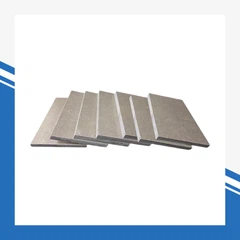
Mica Tapes and Sheets
Mica tapes and sheets are widely used in EV battery packs. These materials can withstand extremely high temperatures. Muscovite can tolerate a maximum temperature of 800°C, while phlogopite can withstand temperatures exceeding 1000°C. Mica remains strong and retains its shape when heated. In addition, it has excellent electrical insulation performance, which means it can effectively block high voltage and prevent leakage. This helps ensure battery cells are protected from short circuits. Mica does not decompose when in contact with chemicals, so it has a longer service life in harsh battery environments.
Tip: Mica is moderately priced but offers excellent heat resistance and strong insulation performance.
|
Property |
Description |
|
High Temperature Resistance |
Muscovite can withstand temperatures up to 800°C; phlogopite can withstand temperatures above 1000°C. |
|
High Dielectric Strength |
Can withstand high voltage and prevent leakage. |
|
Chemical Resistance |
Durable in environments containing corrosive substances, ensuring a long service life. |
Flame-Retardant Fabrics and Other Options
There are other fire-resistant materials used in EVs. Some examples include flame-retardant fabrics, ceramic blankets, aerogels, and special coatings. Aerogels are very lightweight and do not conduct heat easily, helping to prevent heat diffusion between battery cells. Ceramic blankets have excellent fire resistance but are heavier than aerogels. Silicone is another material that can withstand high temperatures, making the battery safer. In addition, composite materials such as glass fiber-reinforced plastics make the battery case lighter and safer.
Aerogels are efficient insulators and lighter than mica.
Although ceramic blankets are heavier, they still provide fire protection.
Silicone and composite materials help make batteries safer and lighter.
Comparing Material Performance
You may want to know the differences between these materials. Mica has excellent insulation performance, with an insulation strength of 50 to 150 kV per millimeter, and can withstand temperatures up to 1200°C. Ceramics also have excellent insulation performance and perform well in high-voltage environments. Although aerogels are effective insulators, their insulation performance may not be as good as that of mica. Lightweight materials such as composites and aerogels can make batteries safer and more efficient.
|
Material |
Thermal Conductivity |
Weight Comparison |
Application in EVs |
|
Ceramic Blanket |
Moderate |
Heavier than aerogel |
Used for fire protection |
|
Aerogel |
Low |
25% lighter than mica |
Suitable for insulation and fire protection |
|
Mica |
Moderate |
Similar to aerogel for cell-level use |
Commonly used in fire protection applications |
You need to choose fire-resistant materials that are safe, lightweight, and moderately priced. This helps extend the service life of EV batteries while ensuring your safety.

How Mica Protects EV Batteries
Thermal and Chemical Stability
You want your EV battery to remain safe at high temperatures. Mica tapes and sheets help with this. These materials can withstand extremely high temperatures while remaining strong. You can see mica's excellent performance in the table below:
|
Material |
Continuous Temperature |
Peak Temperature |
|
Mica Tapes/Sheets |
1000°C |
1200°C |
|
Phlogopite |
700°C (1292°F) |
N/A |
Mica sheets are specially made to withstand high temperatures. They slow down the spread of heat in the battery pack, giving you and first responders more time in case of a fire. Mica also has excellent chemical stability and will not decompose even when in contact with battery electrolytes or gases. This helps extend the battery's service life while keeping you safer.
Note: By slowing down heat diffusion, mica sheets can give you more time to escape. This is really helpful in emergency situations.
Application in Battery Design
You can find mica in many parts of EV batteries. Manufacturers attach mica tapes and sheets between battery cells and above cell vents. This prevents heat and flames from spreading to other cells. Mica is flexible, so it is suitable for batteries of different shapes, including cylindrical, prismatic, and pouch batteries. Because mica can fit tightly into narrow spaces, it provides better safety.
Mica is tough and durable; it continues to work even when your car is bumpy or experiences temperature changes. You don't have to worry about insulation failure. Mica helps prevent short circuits and effectively blocks high-voltage leakage. You can find mica where fire-resistant materials are most needed, such as near battery vents and between cells.
Mica tape is wrapped around battery cells to provide additional insulation protection.
Sheets cover cell vents to block heat and flames.
Flexible mica can be applied to narrow spaces and irregular shapes.
Using mica results in a safer battery pack. It effectively protects against fires, high temperatures, and chemical damage. You can rely on mica to ensure the safety of your EV battery.

Choosing Fire-Resistant Materials for EVs
Key Factors for Manufacturers
You want your EV to be safe, reliable, and high-performing. Manufacturers consider many factors when selecting fire-resistant materials. Battery design is crucial. If there are narrow or irregular spaces inside the battery pack, flexible materials like mica work best. Some batteries adopt a honeycomb sandwich structure, which requires materials that are both rigid and effective at blocking heat transfer.
Manufacturers also pay attention to how the battery performs in collisions. They use computer models to test what happens during a collision. Once impacted, the material must remain strong and not deform. The table below shows what manufacturers focus on when selecting fire-resistant materials:
|
Standard |
Description |
|
Automated Application |
Makes the laying of fire-resistant materials easier. |
|
Cost Reduction |
Helps save fire protection costs. |
|
Enhanced Battery Safety |
Makes the battery system safer and less prone to fire. |
|
Enhanced Battery Performance |
Helps the battery work better. |
|
Two-Component Fire-Resistant Coating |
Better adhesion and effectiveness. |
Manufacturers test to observe how the battery deforms in collisions. They want to select materials that can withstand pressure and ensure battery safety. When they choose the right materials, they can produce safer cars.
Safety Standards & Consumer Considerations
When purchasing an EV, you should know which safety ratings and certifications to look for. These ratings indicate that the car uses tested fire-resistant materials. The table below lists important certifications:
|
Certification |
Application |
Description |
|
UL 94 V-0 |
Battery Enclosures |
Minimum fire resistance performance for EVs |
|
UL 94 V-1/V-2 |
Wire Harness Protection |
Helps prevent fire spread |
|
FMVSS 302 |
Automotive Materials |
Complies with automotive fire safety regulations |
You can also look for these standards:
DIN SPEC 91489: Can contain fires in one place and prevent the spread of toxic gases.
NFPA 701: Ensures the vehicle meets fire safety specifications.
Tip: Before purchasing an EV, be sure to ask if it has fire safety certifications. Certified materials help protect you and your family.
When you are looking for a car, make an informed choice. Strong fire safety ratings mean the car uses materials that can slow down fires and help keep you safe.

Future Trends in Fire-Resistant Materials
Innovations in Materials Science
There are many new concepts that will make EVs safer. Scientists are working on developing better batteries with new materials and designs. Here are some of their latest achievements:
Zirconia Ceramics: These ceramics are now used in solid-state batteries. They replace flammable liquids, making batteries safer and more efficient.
Some lithium batteries have built-in fire extinguishers. These batteries can reach temperatures as high as 220°C without catching fire, while ordinary batteries may ignite at higher temperatures.
Flame-retardant polymers are added to lithium-metal batteries. This makes people feel safer using these batteries in cars.
There is a new type of electrolyte called dual-constraint flame-retardant electrolyte, which uses a LiF-rich coating. This helps the battery remain safe and extend its service life, even with frequent use.
Lastan is an advanced new flame-retardant fabric. It can withstand temperatures up to 1300°C while keeping the other side below 400°C. Its Limiting Oxygen Index (LOI) is as high as 50 or more, meaning it is not easy to ignite and performs better than traditional materials. Lastan has passed the strictest UL94 flame-retardant test (Class 5VA). In addition, even with a thickness of only 1mm, Lastan can provide excellent electrical insulation performance. Since Lastan can be made into thin sheets, it can perfectly fit the shape of various batteries.
|
Material/Innovation |
Key Advantages |
Temperature Resistance |
|
Zirconia Ceramics |
Removes flammable liquids |
High |
|
Built-in Fire Extinguisher |
Prevents battery fires |
220°C+ |
|
Lastan Fabric |
Excellent flame-retardant and insulation performance |
Up to 1,300°C |

Evolving Industry Standards
Industry regulations are being adjusted to adapt to new battery technologies. As battery energy storage capacity increases and charging speed accelerates, the risk of thermal runaway also increases. This means cars need fire-resistant materials with better performance.
New tests are used to detect the performance of materials during thermal runaway. These tests focus on flames and heat.
Old test standards for plastics and elastomers are being adjusted for EVs. This ensures all materials meet strict safety specifications.
The Fire Safety Research Institute (FSRI) is developing new fire safety specifications for EV batteries. FSRI brings together experts to curb thermal runaway and make cars safer.
Note: EVs catch fire less frequently than gasoline-powered cars, but new battery designs require stricter safety measures.
You will soon see fire-resistant materials with better performance and reliability. These changes will help you feel safer and protect your entire family.
When you choose fire-resistant materials, you help ensure the safety of EVs. These special materials bring you many benefits. Because of their existence, your safety is better guaranteed. Controlling heat allows your battery to last longer even in high or low temperatures. The risk of fire is lower, so your car performs better. New materials such as Kevlar and mica can protect you in emergencies and give you more time. Be sure to understand new safety rules and concepts. This helps you choose the most suitable solution for your EV.
Frequently Asked Questions (FAQs)
What makes mica an ideal fire-resistant material for EVs?
Mica has excellent heat insulation performance. It does not burn or melt quickly. Mica can effectively block electric current, thus ensuring the safety of battery cells. Mica has a long service life in harsh battery operating environments.
Can fire-resistant materials prevent all EV battery fires?
Fire-resistant materials can reduce the risk of fire, but they cannot eliminate all fires. These materials can slow down the spread of heat and flames. In case of a fire, you will have more time to take action and ensure your safety.
Are fire-resistant fabrics safe for the environment?
Many fire-resistant fabrics use safe chemicals. Some new fabrics use environmentally friendly materials. Be sure to check relevant certifications or consult the manufacturer about their environmental safety.
How do I know if my EV uses fire-resistant materials?
You can check the car's user manual or consult the dealer. Look for safety certifications such as UL 94 or FMVSS 302. These certifications indicate that your EV uses tested flame-retardant materials.
Mica Tape in Asian New Energy Vehicles: Market Trends & Applications
Asia is a leader in the application of new materials for new energy vehicles (NEVs). Manufacturers want products with excellent performance and personnel safety. Mica tape is crucial; it helps prevent fires and maintain insulation. The table below shows how these functions make cars safer and more reliable:
|
Function |
Contribution to NEV Safety and Reliability |
|
Enhanced Fire Resistance |
Prevents flame spread, thus ensuring vehicle safety. |
|
Advanced Heat Insulation |
Protects components from high temperatures, ensuring the car operates well. |
|
Compliance with Safety Standards |
Follows strict rules, making the car safer. |
These changes have prompted manufacturers, sellers, and users to think about what they want and how to carry out their work.

Key Summary
Mica tape is very important for new energy vehicles. It helps extinguish fires and insulate heat, making cars safer.
More people in Asia are demanding mica tape because there are more electric and hybrid vehicles, which require better heat insulation performance.
Mica tape can withstand extremely high and low temperatures, making it very suitable for protecting motors and batteries.
Producing mica tape in an environmentally friendly way is becoming more and more common. Manufacturers use environmentally friendly materials and increase recycling efforts.
Cooperating to produce mica tape locally helps Asia's supply chain, ensuring high-quality and easily accessible tapes.
Main Trends in Mica Tape Usage
Growth in NEV Demand
In Asia, more automakers are using mica tape and phlogopite mica tape in new energy vehicles. An increasing number of electric and hybrid vehicles are coming into the market, which means better heat insulation and temperature control performance are needed. Mica tape helps prevent heat and electrical issues. In China, the market for mica tape and phlogopite tape is developing rapidly, with strong factory capabilities and active government support for new ideas. Companies are investing funds to build more complete electrical systems. Mica tape and phlogopite tape are crucial for producing safe and reliable cars.
The main reasons for increased demand are:
Mica tape and phlogopite mica tape are used in electric vehicles.
Good heat insulation helps cars work better.
New technologies make insulation materials better.
More people want to use clean energy.
Automotive safety rules are becoming stricter.
The electrical and electronics industry is growing.
More buildings and roads are being constructed.
China aims to develop more clean energy and electric vehicles.
High-temperature machinery requires good insulation.
More power lines mean more mica tape is needed.
The larger market for mica tape and phlogopite tape indicates that the region values safety, efficient operation, and new technologies.

High Performance and Heat Resistance
Automotive engineers choose mica tape and phlogopite tape because they are highly heat-resistant. These materials can effectively protect important automotive components. Mica tape and phlogopite tape are suitable for high-temperature environments and are very suitable for coping with harsh tasks. They are used for insulation of motors and inverters, and can last for a long time even at high temperatures. Mica gaskets can work well above 800°C in exhaust pipes. Phlogopite tape can withstand temperatures above 1000°C and still provide excellent protection.
High-performance mica tape and phlogopite tape still perform strongly in high-temperature environments. They can work normally where other insulation materials may fail, making them the preferred choice for important electrical operations. They have a long service life and can ensure the safety and good operation of new energy vehicles.
Some of their uses:
Mica tape and phlogopite mica tape are used for heat insulation in EV battery modules.
Motors need mica tape and phlogopite mica tape for heat control.
Heat shields and gaskets use mica tape and phlogopite mica tape because of their toughness.
Battery Technology Integration
New energy vehicle batteries need to use mica tape and phlogopite tape to ensure safety and achieve good performance. These tapes can effectively prevent the spread of fire and heat between battery cells. They are not easy to conduct heat, thus ensuring overall safety. Both mica tape and phlogopite tape comply with the UL 94 V-0 fire standard, making them particularly suitable for places with high temperature risks.
Manufacturers use mica tape and phlogopite tape in various shapes, such as rigid sheets and flexible rolls. These materials can be used for protection under battery covers, inside enclosures, and between components. Mica tape can work at temperatures up to 800°C, while phlogopite tape can work above 1000°C. This ensures the safety of the battery during use or in case of failure.
Some benefits are:
Mica tape and phlogopite mica tape make batteries safer by stopping fires.
They work consistently even when the weather is very hot.
They can adapt to various battery shapes.
The safety and performance of the battery depend on mica tape and phlogopite tape. These materials help Asian new energy vehicles achieve better performance.
Mica Tape Market Overview
Market Size and Growth Drivers in 2026
By 2026, the Asian mica tape market will achieve rapid growth. Experts believe that the market size will hit an all-time high, with more industries starting to use safety mica tape and products with better performance. The global mica tape market is also growing strongly, with Asia leading this growth. Many factors help expand the market:
Many Asian countries are building more factories.
There are large new construction projects in cities and towns.
People are buying more electric vehicles and electronic products.
The electrical and electronics sector is expanding.
New technologies improve the performance of mica tape.
People want heat insulation materials that are truly effective.
Safety rules for automobiles and electronic products are becoming stricter.
High-quality mica tape, such as our mica tape, sets high standards. These products are specially designed for various industries today, helping the mica tape market grow and expand.
Regional Leaders in Asia
China, India, and Madagascar are among the leaders in mica production and application. China is crucial for new energy vehicles, using mica tape in automotive electronics and electric vehicles. India and Madagascar also play important roles in the mica supply chain. These countries contribute to the global mica tape market and meet the demand for safe and durable insulation materials in automobiles.
Regulatory and Policy Impact
Governments in various Asian countries have introduced regulations that help the mica tape market. The table below shows how some countries support the industry:
|
Country |
Policy Impact |
|
Japan |
Rules support renewable energy and electronic factories. |
|
Thailand |
The government assists factories to facilitate sales. |
|
China |
Plans to support green energy and electric vehicles, thus increasing the demand for mica tape. |
New rules aim to reduce environmental harm. Today, manufacturers are launching environmentally friendly mica tape to comply with these regulations. This transformation makes mica tape higher quality and more conducive to the sustainable development of the earth.
Technological Advances in Mica Tape
Material Innovation and R&D
New concepts help mica tape and phlogopite tape perform better in the automotive field. Since 2020, scientists have continuously improved their performance and added new functions. The table below shows some major changes:
|
Innovation Type |
Description |
|
Thermal and Electrical Insulation |
Better performance in high-temperature automotive components. |
|
Smart Mica Tape |
Can monitor and help automotive systems operate normally. |
|
Sustainability Focus |
Uses green materials and is easy to decompose. |
|
High-Performance Insulation |
Stronger flexibility, better adhesion, suitable for special automotive operations. |
Companies invest heavily in R&D to improve mica tape. Approximately 31% of funds are invested in electrical insulation, shifting to mica tape and R&D. The Asia-Pacific region receives nearly 21% of global investment in mica tape from other countries. More and more people want to use phlogopite mica tape for power, electric vehicles, and safe buildings.
Enhanced Heat Insulation and Fire Resistance
Mica tape and phlogopite mica tape can effectively prevent hazards caused by high temperatures and fires. Mica is a mineral that does not decompose at high temperatures and is the main insulation component. Phlogopite tape has a multi-layer structure and can withstand temperatures exceeding 1000°C. A strong fabric or aluminum foil is used as the backing of the tape to make it more durable. Even in high-temperature or vibrating environments, the adhesive can ensure the tape adheres firmly. Manufacturers also add flame-retardant chemicals to the adhesive to effectively prevent fires. These characteristics make phlogopite tape an ideal choice for electric vehicles and battery safety.
Mica tape and phlogopite mica tape can prevent objects from overheating.
Phlogopite tape can ensure the safety of wires and components in harsh environments.
Smart Manufacturing
Smart manufacturing has changed the production method of mica tape and phlogopite tape. Machines and computers help produce higher-quality, consistent-performance tapes every time. Artificial intelligence can accurately control the production process and reduce waste. Sensors provide real-time feedback, allowing workers to quickly solve problems. New technologies make factories more efficient and strictly comply with various regulations. Enterprises adopting smart manufacturing produce phlogopite tape with excellent performance and consistent quality. Smart manufacturing ensures that every roll of mica tape and phlogopite tape is suitable for new energy vehicles.
Application Requirements for New Energy Vehicles
Safety and Fire Protection
Safety is crucial in new energy vehicles. Engineers use mica tape and phlogopite mica tape to ensure that electrical systems are protected from fire and electric shock. These materials help prevent flame spread and effectively control current. The table below shows how mica tape and phlogopite mica tape contribute to automotive safety:
|
Safety Function |
Description |
|
Electrical Insulation |
Mica tape has good insulation performance. It can block current flow and help prevent short circuits. |
|
Fire Resistance |
Mica does not burn. It helps extinguish fires and ensures the safety of the automotive electrical system. |
|
|
|
Mica tape and phlogopite mica tape are used as fire barriers in batteries and wires. They help prevent flame spread and ensure vehicle safety in collisions. Studies have shown that mica tape and phlogopite tape can effectively block heat and flames in battery packs and other components.
|
Evidence Description |
Source |
|
Mica tape is a strong fire barrier. It helps prevent flame spread and makes cars safer. |
Mica Cable Tape |
|
Mica gaskets are good fire barriers in battery packs. In case of fire, they can make electric vehicles safer. |
Mica Gaskets for EV Batteries |
Lightweight and Space Efficiency
Automobile manufacturers want cars to be lightweight and space-efficient. Mica tape and phlogopite tape are very helpful in this regard. They are thin and can be perfectly embedded in narrow spaces in batteries and power systems, making them particularly suitable for new electric vehicles.
Thermal Efficiency: Mica tape and phlogopite mica tape can insulate heat from important components, helping the car reduce energy consumption during heating and cooling.
Sound Insulation and Noise Reduction: These materials can reduce noise and vibration, making the riding experience quieter.
Durability and Long Service Life: Mica tape and phlogopite tape