






Phlogopite vs. Muscovite Mica for EV Battery Safety
Phlogopite mica has emerged as a superior material for electric vehicle (EV) battery safety, thanks to its exceptional thermal stability. It can withstand temperatures above 1000°C, whereas muscovite mica only tolerates temperatures up to 800°C. This difference is critical, as EV batteries may experience thermal runaway and fire risks during charging, idling, or operation.
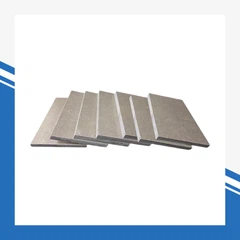
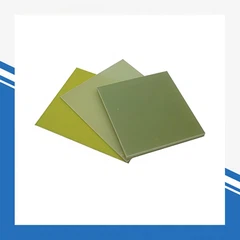
Mica sheets are cost-effective and lightweight, while providing essential safety protection for batteries. For this reason, manufacturers strongly prefer high-temperature resistant mica. However, it should be noted that standard mica can become brittle under harsh environmental conditions.

Thermal Stability Comparison
| Mica Type | Thermal Stability (°C) |
|---|---|
| Phlogopite | Over 1000 |
| Muscovite | Up to 800 |
Key Summary
Phlogopite mica sheets withstand temperatures above 1000°C, making them ideal for high-temperature EV battery environments.
Mica exhibits excellent electrical insulation and blocks current flow effectively, but muscovite performs best at temperatures below 700°C.
Using phlogopite helps manufacturers reduce costs while delivering superior thermal insulation for batteries.
Both mica types offer chemical corrosion resistance, but phlogopite performs significantly better in harsh conditions, further enhancing battery safety.
Flexible mica sheets fit easily into compact battery spaces, effectively managing heat while maintaining outstanding insulation performance.
Mica Sheets for EV Batteries: Comparison & Selection
Choosing the right mica sheet is essential to ensure the safety and performance of electric vehicle batteries.
Phlogopite is more effective at preventing thermal runaway due to its higher heat resistance and chemical stability.
Muscovite performs best in moderate-temperature applications.
When selecting mica, consider thermal stability, chemical resistance, dielectric strength, and cost.
Advantages of Phlogopite Mica Sheets
Phlogopite excels in harsh environments. With thermal stability up to 900°C, it is specially designed for batteries exposed to extreme heat. Its outstanding heat resistance effectively prevents fires and protects individual battery cells.
Phlogopite resists chemical degradation, which is critical in cases of battery leakage or gas emission.
In battery packs, mica sheets:
Separate battery cells
Block heat transfer
Suppress thermal propagation and chain reactions
Phlogopite sheets are highly flexible and easy to install. Their structural strength allows battery packs to be thinner and lighter, enabling higher energy density without added weight. Lightweight yet safe design is essential for modern electric vehicles.
Performance Comparison
| Property | Phlogopite | Muscovite |
|---|---|---|
| Dielectric Strength | Excellent | High |
| Thermal Stability | Excellent (up to 900°C) | Good (max 700°C) |
| Flexibility | High | Moderate |
Phlogopite sheets are also more affordable than muscovite sheets, helping manufacturers produce more cost-effective batteries.
Strengths of Muscovite Mica
Muscovite provides exceptional electrical blocking capabilities with higher dielectric strength, making it an excellent electrical barrier for batteries requiring strong insulation.
Dielectric Strength Range
| Material | Dielectric Strength (kV/mm) |
|---|---|
| Muscovite | 50 – 150 |
| Phlogopite | ≥ 20 |
Muscovite is pure and smooth, making it suitable for precision electronic insulation. However, its thermal limit is approximately 700°C, so it is not the best choice for high-temperature EV battery environments.
Cost & Property Comparison
| Mica Type | Cost | Key Properties |
|---|---|---|
| Muscovite | Higher | Outstanding dielectric strength |
| Phlogopite | Lower | Superior heat resistance |
Key Comparison Factors
Thermal Stability: Phlogopite absorbs far more heat than muscovite.
Chemical Resistance: Both resist chemicals, but phlogopite performs better under severe conditions.
Dielectric Strength: Muscovite provides superior current-blocking performance.
Cost: Phlogopite is more economical for large-scale manufacturing.
How Mica Sheets Protect Batteries
Shield cells from electrical damage
Prevent short circuits
Control internal heat buildup
Extend service life and improve safety
Enable thinner, lighter battery packs with higher energy storage
Thermal Stability & Chemical Resistance
High-Temperature Performance of Phlogopite
Phlogopite plays a vital role in managing heat in EV batteries, maintaining performance even under extreme heat-critical for preventing thermal runaway.
Batteries often reach high temperatures during charging and operation. Phlogopite retains its strength and shape at temperatures near 900°C.
| Property | Phlogopite |
|---|---|
| Temperature Limit | ~900°C |
| Acid Resistance | Excellent |
| Alkali Resistance | Good |
| Solvent Resistance | Impermeable |
Phlogopite is not damaged by strong chemicals. It maintains insulation performance even when exposed to acids or solvents, providing long-term reliability.
Mica sheets act as fire barriers between cells, stopping heat transfer and reducing thermal runaway risk. Being non-combustible, they add an extra layer of safety.
Thermal Limits of Muscovite
Muscovite offers excellent electrical insulation and performs well at moderate temperatures, with a maximum thermal resistance of 700°C.
| Property | Muscovite |
|---|---|
| Temperature Limit | Up to 700°C |
| Acid Resistance | Moderate |
| Alkali Resistance | Good |
| Solvent Resistance | Impermeable |
While muscovite resists alkalis and most solvents, its acid resistance is only moderate, leading to shorter service life in aggressive battery environments. It is best suited for batteries with low heat generation and mild chemical exposure.
Dielectric Strength & Flexibility
Electrical Properties of Mica
Mica is an elite insulating material with high dielectric strength, effectively blocking electric current and preventing short circuits.
In high-voltage EV systems, mica protects batteries from strong electric fields, resisting arcing and corona discharge to ensure pack safety.
Its pure, smooth surface enables precise, stable insulation.
| Electrical Property | Description |
|---|---|
| High Volume Resistivity | Maintains strong insulation under stress; prevents current leakage |
| Dielectric Strength | Reliable electrical barrier; prevents short circuits |
| Arc & Corona Resistance | Stable under harsh conditions; preserves insulation integrity |
Muscovite is rigid and stable, making it suitable for high-voltage battery packs with minimal vibration.
Durability of Phlogopite
Phlogopite is more flexible than muscovite. Silicone bonding allows it to bend and conform to irregular shapes, ideal for dynamic battery packs exposed to vibration and mechanical stress during vehicle operation.
| Property | Phlogopite Sheets | Muscovite Sheets |
|---|---|---|
| Flexibility | High, due to silicone binders | Lower, with thicker binding |
| Mechanical Behavior | Adapts to irregular shapes & vibration | Structurally rigid & form-stable |
| Application | Ideal for mobile battery packs | Best for stationary assemblies |
Phlogopite retains insulation even under high heat and vibration, making it the top choice for EV battery packs requiring both insulation and flexibility.
Real-World EV Battery Applications
Phlogopite Sheets for Battery Insulation
Phlogopite is essential for electrical insulation in EV batteries. Manufacturers use it to physically separate cells and control thermal propagation.
Its ability to withstand extreme temperatures helps prevent fires during charging and operation. Chemically stable and durable at up to 900°C, phlogopite is preferred by engineers for high-performance thermal management.
Its flexibility allows installation in tight spaces and around complex module layouts.
By blocking heat transfer between cells, phlogopite significantly reduces the risk of thermal runaway.
Muscovite Sheets for Electronic Components
Muscovite serves as premium electrical insulation in electronic devices. Its superior electrical isolation makes it ideal for high-voltage systems within EVs.
Its smooth, pure surface provides stable insulation for sensitive electronics. However, due to lower heat resistance, muscovite is generally avoided in high-temperature battery zones.
| Mica Type | Dielectric Strength | Thermal Stability | EV Battery Application |
|---|---|---|---|
| Muscovite | Exceptional | Moderate | High-voltage electrical insulation |
| Phlogopite | High | Excellent | Thermal management & fire protection |
Mica sheets protect control units, sensors, and internal circuitry from electrical failures.
Cost & Selection Guide
Price Comparison
Cost is a major factor in material selection for EV batteries. Phlogopite sheets are less expensive than muscovite sheets, supporting high-volume, cost-efficient production.
Lower cost does not mean lower performance-phlogopite still delivers exceptional heat insulation and temperature control.
Environmental impact also matters:
Phlogopite requires less energy to process
Phlogopite is easier to recycle
Muscovite consumes more energy and is less recyclable
| Feature | Phlogopite | Muscovite |
|---|---|---|
| Per-unit cost | Lower | Higher |
| Processing energy | Less | More |
| Recyclability | Easier | Harder |
| Environmental impact | Favors circular economy | Less eco-friendly |
Manufacturer Recommendations
For battery packs requiring fire resistance and thermal control, phlogopite is the preferred choice.For precision electronic insulation, muscovite remains superior.
Both micas prevent failures and improve safety, but phlogopite is favored in high-temperature EV battery environments.
Future Trends & Regulations
Phlogopite is a leading material for EV battery safety due to its high heat resistance and chemical stability.
Future innovations include:
Flexible mica separators
Advanced insulation for fast-charging systems
Expanded use of mica in thermal management systems
Mica production and use comply with global safety regulations:
REACH (EC 1907/2006): Protects human health and the environment
OSHA standards: Ensures safe handling and workplace protection
New products such as EV-grade mica bonding materials support safer, higher-performance battery designs.
FAQ
What makes phlogopite better for EV battery protection?
Phlogopite withstands extreme temperatures and resists corrosive chemicals. It suppresses thermal runaway, remains stable under heat stress, and helps prevent fire propagation, greatly improving battery pack safety.
Why do some EVs use muscovite instead of phlogopite?
Muscovite provides superior dielectric insulation. It is used in lower-temperature sections of EVs where strong electrical isolation is required, offering stable, high-performance insulation.
How do flexible mica sheets improve EV battery protection?
Flexible mica sheets fit into narrow, complex spaces within battery modules, physically separating cells and controlling heat. Their flexibility maintains insulation integrity under vibration and movement, boosting safety and efficiency.
Can muscovite and phlogopite resist chemical leakage in EV batteries?
Both resist chemical exposure, but phlogopite offers superior protection against acids and solvents. Muscovite provides moderate chemical resistance. Both support durable shielding against leakage and extend battery life.
What factors influence mica selection for EV thermal runaway protection?
Manufacturers evaluate heat resistance, chemical stability, dielectric performance, and cost.Phlogopite is preferred for high-temperature environments; muscovite excels in electrical insulation.Choosing the right mica improves both battery performance and safety.