










Operation and Maintenance of Load Tap Changer Transformers
Recently, the use of load tap changers (OLTC) in transformers up to 110kV has become more common, especially in domestic transformers. These tap changers play a key role in improving the voltage quality in the power supply system. In rural and county-level power grids that rely on the larger grid for electricity, the main method of voltage regulation is through transformers with load tap changers. As a result, the operation and maintenance of these transformers and their tap changers are crucial.

1. Maintenance Tasks and Requirements
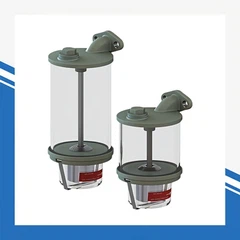
Oil Conservator Check: Before putting a load tap changer into operation, the oil conservator should be checked to ensure the oil level is correct and there are no leaks. The control box should be properly sealed to prevent moisture. When performing a manual cycle (raising and lowering one cycle), the tap position indicator and counter should work properly, the limit switches should function correctly, and the interlock between manual and electric controls must be reliable.
Gas Protection: The load tap changer should be equipped with gas protection, which includes a heavy gas alarm that causes a trip, and a light gas alarm that signals an issue. This is similar to the gas protection for the transformer itself. The gas relay should be installed in a location where it's easy to vent the gas safely. If there's any gas buildup, the operator should vent it as needed.
Electric Control Check: The electric control system needs to be tested to make sure the power supply is stable, connections are secure, and the motor runs smoothly in the correct direction. The fuse should be rated at 2 to 2.5 times the motor's rated current.
Control Circuit Inspection: The control circuits include the electric operation buttons on the control panel and the ones on the transformer's tap changer control box. These should be checked to ensure they're working properly. The power indicator light, tap position indicator, and electrical interlocks must also function correctly.
Current Interlock Device: The electric control circuit should have a current interlock device set to 1.2 times the transformer's rated current, with the current relay's return ratio greater than or equal to 0.9. If using an automatic voltage regulator, the control panel should have a counter for operations, and the voltage transformer's secondary disconnection lockout should be reliable.
Test Operation: After installation or major repairs, the load tap changer should be tested with the transformer running without load. Test the operation both remotely from the control room and manually at the transformer site. Ensure the tap position and voltage are correct, and that the limit switches work as expected. Only after confirming everything is functioning properly should it be put into service under load, with continuous monitoring.
Record Keeping for Voltage Regulation: The operator should follow the voltage curve and signals provided by the dispatcher to perform automatic voltage regulation. Each operation should be carefully checked for changes in the tap changer's voltage and current, and all actions should be documented.
Operation During Parallel Operation: When two load tap changer transformers run in parallel, tap changes are allowed at up to 85% of the transformer's rated load current. However, tap changes should not be performed continuously on the same transformer. After a tap change on one transformer is completed, wait until the other transformer's tap change can be performed.
If a load tap changer transformer and a no-load tap changer transformer are running in parallel, the tap changer on the load transformer must be set to the same or a similar position as the no-load transformer. It is strictly prohibited to adjust the tap changer when they are running in parallel.
Gas Relay Monitoring: When operating the load tap changer, the operator should follow the inspection procedures and carefully monitor the gas relay for any signs of gas bubbles, which could indicate a potential issue.
Conclusion
Maintaining a load tap changer involves checking and maintaining its oil levels, gas protection, electric control, and current interlock, among other functions. By adhering to strict operational procedures and performing regular inspections, the load tap changer can operate safely and reliably, ensuring stable voltage regulation for the power system.