







1. What Are Mica Insulation Materials?
Because of their electrical insulation characteristics and heat resistance, mica-based materials are used in the manufacturing and insulation of electrical equipment, motors and other industrial components.
Depending on the application and manufacturing process, mica products can be combined with glass fiber, PET film, ceramic fiber and bonding resins to achieve different mechanical, thermal and electrical properties.
For manufacturers and equipment designers, choosing the right mica insulation materials is important for achieving suitable insulation performance, processing efficiency and product reliability.

2. Main Types of Mica Insulation Products
Different mica products are designed for different processing methods and application requirements.
2.1 Mica Sheet
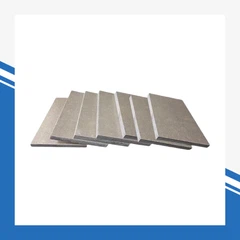
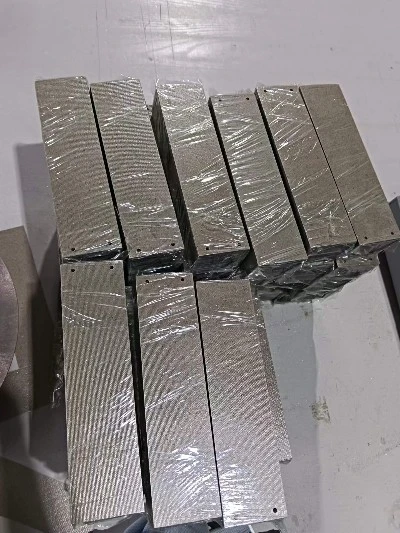
Mica sheets are rigid insulation materials manufactured using mica paper and bonding materials. They are available in different thicknesses and surface finishes.
Common types include:
Rigid Muscovite Mica Sheet
Rigid Phlogopite Mica Sheet
Smooth Surface Mica Sheet
Standard Surface Mica Sheet
According to different product specifications, mica sheets can be supplied in thicknesses from approximately 0.10 mm to 1.90 mm, with customized strips or parts available according to customer drawings.
Muscovite and phlogopite mica sheets have different heat-resistance characteristics. Based on the product specifications in our catalogue:
Muscovite mica sheet: continuous temperature resistance of 500°C and intermittent temperature resistance of 800°C.
Phlogopite mica sheet: continuous temperature resistance of 600°C and intermittent temperature resistance of 1,000°C.
These values are product specification references. Actual performance should be confirmed according to testing conditions and application requirements.
2.2 Mica Tape
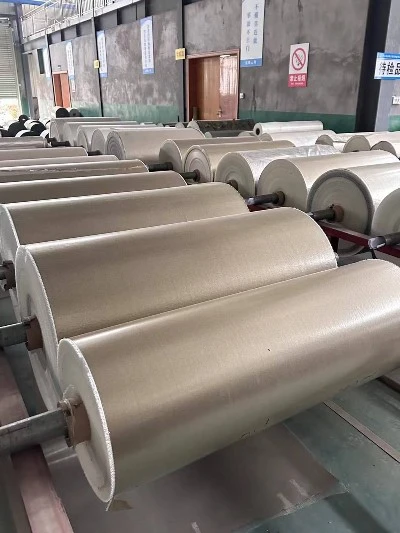
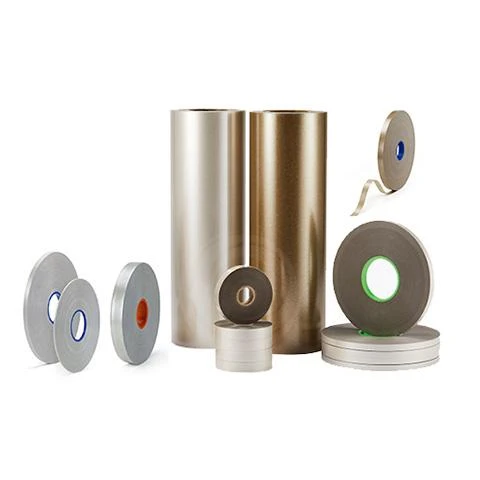
Mica tape is a flexible insulation material supplied in rolls or pads. It can be designed with different backing materials depending on the intended manufacturing process.
One example is PET and glass cloth backed low-binder mica tape for VPI (Vacuum Pressure Impregnation).
This product consists of mica paper bonded to PET film and glass cloth on both sides using modified epoxy resin.
Its main characteristics include:
Good flexibility
Good workability
Electrical insulation properties
Class F thermal rating (155°C)
It can be used as main insulation for low-voltage and high-voltage machine coils exposed to demanding environmental conditions.
Typical supply specifications include:
Standard lengths: 30 m, 100 m, 300 m and 500 m
Standard widths: 15 mm, 20 mm and 25 mm
Maximum roll width: 1,000 mm
Core inner diameter: 76 mm
Customized thicknesses and material combinations can also be supplied according to customer requirements.
2.3 Mica Tube
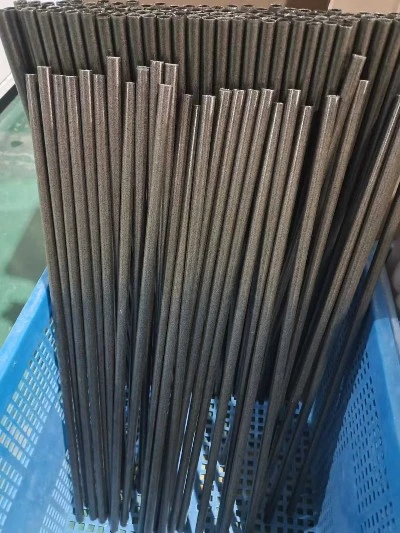
Mica tubes are tubular insulation components manufactured in different dimensions according to customer drawings or requirements.
They are available in different product grades, including M and P types.
According to the product catalogue, the main technical specifications include:
Mica content: ≥90%
Bond content: ≤10%
Density: 1.6–1.8 g/cm³
Dielectric strength: >20 kV/mm
The continuous heat resistance is listed as 500°C for type M and 700°C for type P. Intermittent heat resistance is listed as 800°C and 1,000°C, respectively.
2.4 Mica, Glass Fiber and Ceramic Fiber Composite Materials
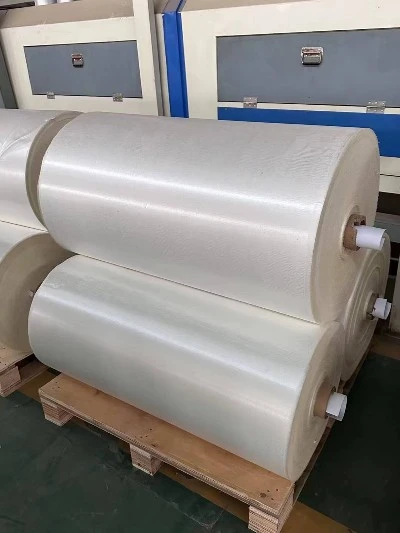
Composite mica insulation materials combine mica, glass fiber and ceramic fiber to create different material structures.
Two configurations are available:
MGC: Mica + Glass Fiber + Ceramic Fiber
GMC: Glass Fiber + Mica + Ceramic Fiber
Calcium silicate fiber can also be selected as an optional material.
Available thicknesses include 2.2 mm, 2.5 mm, 3.2 mm and 3.5 mm. Standard widths include 1 m and 0.5 m, while different roll lengths can be customized.
3. Key Performance Properties of Mica Materials
When selecting mica insulation products, buyers should pay attention to several important technical parameters.
Electrical Insulation Performance
Electrical insulation is one of the most important characteristics of mica products.
Parameters such as dielectric strength and volume resistivity help evaluate the electrical performance of insulation materials.
For example, the rigid mica sheet specifications in our catalogue indicate dielectric strength above 20 kV/mm.
The actual insulation performance should be evaluated based on the equipment's operating voltage, design and applicable testing standards.
Heat Resistance
Different mica materials have different thermal characteristics.
Muscovite and phlogopite mica sheets, for example, have different continuous and intermittent temperature resistance values.
When choosing a product, engineers should consider the actual operating temperature, exposure duration and surrounding environment rather than relying on a single maximum temperature figure.
Mechanical Properties
Mechanical properties are also important during manufacturing and installation.
Flexural strength, tensile strength, density and thickness tolerance can influence how a material performs during cutting, forming, winding and assembly.
Flexible mica tapes are suitable for winding processes, while rigid mica sheets and customized mica tubes are available for applications requiring specific shapes.
Material Composition
Mica products may contain different combinations of mica paper, glass fiber, PET film, ceramic fiber and bonding resins.
The material structure directly affects the product's flexibility, thickness, processing characteristics and performance.
Therefore, buyers should check the complete material construction rather than comparing products based on thickness alone.
4. How to Choose the Right Mica Insulation Product?
Selecting the correct product requires consideration of the application and manufacturing process.
Here are four important factors:
1. Application requirements
Determine whether the project requires a rigid sheet, flexible tape, tubular component or composite insulation material.
2. Operating temperature
Check the continuous and intermittent temperature requirements. Make sure the selected product's technical specifications are suitable for the
intended operating conditions.
3. Electrical requirements
Consider operating voltage, dielectric strength and other relevant electrical performance requirements.
4. Dimensions and processing requirements
Confirm thickness, width, length, tolerances and component drawings before placing an order.
For customized projects, providing technical drawings or detailed specifications can help suppliers recommend a suitable product structure.
5. Why Work with a Professional Mica Insulation Supplier?
For industrial buyers, choosing a reliable supplier is about more than purchasing a standard material.
A suitable supplier should be able to provide clear technical specifications, different product structures and customized dimensions.
At HANGZHOU WESHARE IMP. & EXP. CO., LTD., we offer a range of mica insulation products, including:
Rigid Muscovite Mica Sheets
Rigid Phlogopite Mica Sheets
PET & Glass Cloth Backed Mica Tape
Mica Tubes
Mica, Glass Fiber and Ceramic Fiber Composite Materials
We support customized dimensions and product configurations according to customer drawings and project requirements.
Whether you are sourcing mica sheets for industrial insulation, mica tape for electrical winding or customized mica components, selecting the appropriate material is an important step toward achieving reliable product performance.
6. Frequently Asked Questions About Mica Insulation Materials


7. Contact Us for Mica Insulation Solutions
Looking for reliable mica insulation materials for your industrial or electrical projects?
HANGZHOU WESHARE IMP. & EXP. CO., LTD. can help you identify suitable mica sheets, mica tapes, mica tubes and composite insulation products according to your technical requirements.
Contact our team today to request product specifications, technical data sheets and customized quotations.