






Mica Insulation for Aluminum Reduction Cells
Aluminum reduction cells require robust protection, as they operate under extreme daily stress:
Temperatures up to 1000°C
Operating current: 300–600 kA
Exposure to highly corrosive chemicals: fluoride vapors and hydrofluoric acid (HF)
Key Summary
Mica insulation shields aluminum cells from extreme heat, high current, and corrosive chemicals, enabling safe and efficient operation.
Phlogopite mica is preferred for high-temperature and harsh chemical environments; muscovite is suitable for lower-temperature zones.
Proper installation is critical: clean surfaces, eliminate air gaps, and overlap edges to extend service life and improve performance.
Thicker mica insulation enhances heat retention, lowers energy consumption, and reduces required operating voltage.
Mica is safe for workers: it does not emit toxic fumes and remains structurally stable at high temperatures.

Insulation Challenges
High-Temperature Risks
Aluminum cells operate at temperatures up to 1000°C. Rapid heat loss can cause production failure, especially within 15–30 minutes after power loss. Frequent cooling cycles reduce aluminum output and waste energy. Strong insulation is required to maintain stable internal temperatures.
Electrical Safety Requirements
With currents reaching 600,000 amps, damaged insulation can cause current leakage, short circuits, busbar damage, and electric shock hazards. Reliable insulation contains current within conductors, protecting personnel and equipment.
Chemical Exposure Issues
Fluoride vapors and HF gas rapidly degrade conventional insulation materials, leading to performance loss and safety risks. Mica's chemical resistance prevents breakdown and leakage, ensuring long-term stable cell operation.
Insulation Properties of Mica
Thermal Resistance & Electrical Insulation
Mica performs reliably under extreme heat and high voltage:
| Mica Board Type | Continuous Operating Temp | Intermittent Temp |
|---|---|---|
| HP‑5 | 500°C | 850°C |
| HP‑8 | 850°C | 1050°C |
Mica insulation withstands voltages up to 2000V, preventing current leakage and short circuits in busbars.
Chemical & Acoustic Protection
Mica is chemically inert and resists fluoride and HF gases without degradation.It also reduces noise radiation from cells, creating a safer, quieter workplace.
Safety & Durability
Non‑flammable and non‑melting
Stable under rapid thermal cycling
No toxic fumes at high temperatures
Reduces maintenance and downtime

Types of Mica Insulation
Muscovite vs. Phlogopite
| Mica Type | Max Heat Resistance | Chemical Resistance |
|---|---|---|
| Muscovite | 600–800°C | Limited resistance to HF |
| Phlogopite | 800–1000°C | Excellent acid/alkali resistance |
Phlogopite is recommended for the hottest, most corrosive areas of reduction cells.
Thickness & Material Selection
Increased thickness improves heat retention and energy savings. Advanced insulation systems can reduce operating voltage by 0.3V, cutting energy use by 13%.
Resin-Impregnated Mica Laminates
These void-free laminates provide superior performance:
Extremely high dielectric strength
Excellent high-temperature stability
Very low partial discharge
Longer service life
Applications in Aluminum Reduction Cells
Busbar Insulation
Busbars carry extremely high current and risk overheating, deformation, or short circuits without proper insulation.Mica forms a protective barrier between busbars and cell partitions, retaining heat and containing current, reducing fire risk and extending service life.
Forms: Sheets, Rolls, Tapes
| Form | Best For | Benefits |
|---|---|---|
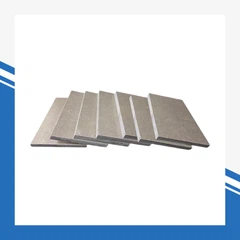
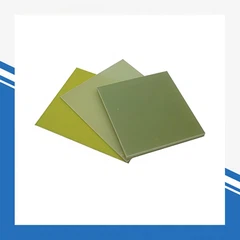
| Plates | Large flat surfaces | Strong, stable protection |
| Rolls | Wrapping busbars / lining walls | Flexible, easy to install |
| Tapes | Sealing gaps, corners & small areas | Precise fitting |
Combining formats provides optimal coverage.
Installation Guidelines
Thoroughly clean all surfaces to remove oil and dirt.
Measure and cut accurately to avoid waste.
Apply tightly with no air gaps (which cause hotspots).
Overlap edges for complete sealing.
Inspect for cracks, gaps, or loose areas before closing the cell.
Proper installation significantly extends service life and performance.
Performance Advantages
| Improvement | Description |
|---|---|
| Thermal Stability | Maintains shape across wide temperature swings |
| Mechanical Strength | Resists cracking and wear under stress |
| Chemical Resistance | Unaffected by corrosive gases, oils, and moisture |
FAQs
What makes mica insulation superior?
Mica offers exceptional thermal and electrical insulation, is non-flammable, chemically resistant, and far more durable than most alternatives.
Can mica be used in other high-temperature industries?
Yes. It is widely used in steel, glass, foundry, and other high-heat applications requiring strong insulation.
How to choose mica for your cell?
Use phlogopite for high temperatures and corrosive chemicals; use muscovite for lower-temperature zones.
Are special installation steps required?
Yes: clean surfaces, eliminate air gaps, overlap edges, and ensure full coverage.
Is mica safe for workers?
Yes. It does not produce toxic fumes or support combustion, making it safe for industrial environments.