






Mica in Electrical Appliances: A Comprehensive Guide
Mica is a trusted material in electrical appliances thanks to its unique combination of excellent thermal insulation and electrical insulation properties.Renowned for its outstanding performance under extreme conditions, mica ensures safety, durability, and efficiency across a wide range of applications.
But what exactly is mica, and why has it become the top choice for so many electrical and thermal applications?This comprehensive guide explores the properties, applications, and advantages of mica in electrical appliances.
What is Mica?
Mica is a naturally occurring mineral belonging to the silicate mineral group.It is characterized by its layered crystal structure, which allows it to be easily split into thin, flexible sheets.These sheets retain their physical and chemical properties even under extreme conditions, making mica an indispensable component in both industrial and household applications.
There are two primary types of mica used commercially:
Muscovite: Known for its superior electrical insulation performance and can withstand temperatures up to 700°C.
Phlogopite: Offers enhanced heat resistance, capable of withstanding temperatures as high as 1000°C, making it ideal for high-temperature environments.
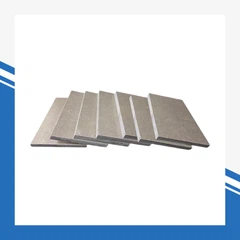
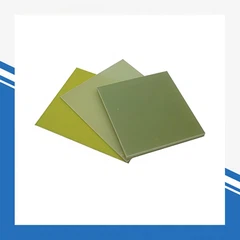
Manufacturers process mica into various forms - including sheets, tapes, and powders - to suit different industrial applications.

Key Properties That Make Mica Essential in Electrical Appliances
The widespread use of mica in electrical appliances is due to its exceptional properties.Below are the core characteristics that make it the preferred material:
1. Superior Electrical Insulation
Mica exhibits high dielectric strength, a critical property for insulating electrical components.This ensures mica effectively prevents arcing and breakdown in high-voltage applications.
2. High Thermal Resistance
Mica can withstand extreme temperatures, making it vital for appliances that generate significant heat.It provides dimensional stability and prevents damage caused by thermal expansion.
3. Mechanical Strength and Durability
Despite being lightweight, mica has high mechanical strength and does not degrade easily under pressure or stress in heavy-duty electrical appliances.
4. Flame Retardancy
Mica sheets are non-combustible, enhancing appliance safety and reducing fire risks.
5. Chemical Resistance
Mica is resistant to most chemicals, ensuring stable performance in environments exposed to oils, solvents, and corrosive substances.
6. Form Flexibility
Mica is flexible and can be manufactured into sheets, tubes, tapes, and other shapes without losing its insulating properties.
These essential properties explain why mica has become an integral material in electrical appliances and components.
How Mica Is Used in Electrical Appliances
Mica's versatility allows it to be used for insulation and thermal management in a wide variety of appliances.Common applications include:
1. Insulation for Heating Elements
Mica is widely used in heating appliances such as toasters, hair dryers, electric irons, and heaters.It electrically isolates heating elements from metal casings while resisting high operating temperatures.
Example:Toasters use mica sheets as an insulating barrier between heating coils and the metal housing to prevent electrical hazards.
2. Dielectric Plates in Motors and Generators
Mica ensures safe operation of high-performance motors and generators by providing reliable electrical insulation.It helps maintain efficiency and prevents short circuits under heavy loads.
3. Fire-Resistant Cables
Mica tape is used to wrap conductors in fire-resistant cables.This is critical for applications where cables must remain functional during high-temperature emergencies, such as fire alarm systems and emergency lighting.
4. Microwave Oven Components
Mica sheets serve as waveguide covers in microwave ovens, protecting key components from grease, food particles, and moisture while ensuring efficient and safe operation.
5. Capacitors
Mica provides high precision and stability in capacitors, which rely on its dielectric properties to store and release energy efficiently.Mica capacitors are widely used in radio circuits and other electrical systems.
6. Furnace Linings
For industrial applications requiring thermal insulation, mica sheets are an ideal lining for furnaces and industrial ovens, retaining heat while protecting surrounding equipment.
Advantages of Mica in Electrical Appliances
Mica's multifaceted benefits enhance both the performance and safety of electrical appliances:
1. Enhanced Safety
Mica's non-conductive nature ensures reliable insulation between live parts and casings, significantly reducing risks of electric shock and short circuits.
2. Extended Appliance Lifespan
Mica withstands high temperatures and mechanical stress, protecting critical components from wear and extending the service life of appliances.
3. Energy Efficiency
Mica reduces heat loss within appliances, optimizing energy consumption and improving overall efficiency.
4. Fire Resistance
Mica's non-flammable properties make appliances safer in high-temperature environments, especially for applications involving heating or potential fire risks.
5. Cost-Effective Solution
Mica's durability lowers maintenance and replacement costs, providing a long-term solution for both manufacturers and users.
6. Eco-Friendly Material
As a natural mineral, mica is environmentally friendly and non-toxic, making it safe for consumer products.
Best Practices for Using Mica in Electrical Appliances
To maximize the benefits of mica, proper handling and application are essential.
Choose the Right Type of Mica
Use muscovite for applications requiring high electrical insulation.
Select phlogopite for applications demanding exceptional heat resistance.
Ensure Proper Installation
Secure mica sheets firmly using heat-resistant adhesives or mechanical fasteners to prevent shifting.
Proper Storage Conditions
Store mica in a dry, clean environment to avoid moisture or dust contamination, which can reduce performance.
Regular Inspection
During appliance maintenance, inspect mica components for signs of wear, cracking, or damage.
Safety Measures During Manufacturing
Wear protective equipment when cutting or shaping mica, as fine dust particles may be harmful if inhaled.
Precautions When Using Mica
While mica is reliable and durable, proper precautions help avoid potential issues:
Avoid Excessive Moisture
Although mica is chemically resistant, excess moisture can weaken binders or bonding materials.
Minimize Dust Generation
Cutting or processing mica may produce fine particles. Ensure good ventilation and wear protective gear.
Proper Waste Disposal
Dispose of mica waste in accordance with environmental regulations to reduce ecological impact.
Why Mica Is the Future of Electrical Insulation
Mica's unique properties make it irreplaceable in modern electrical appliances.As the industry moves toward safer, more energy-efficient designs, demand for reliable insulation materials like mica continues to grow.It not only improves safety and performance but also supports sustainable and eco-friendly practices.