







Industry Knowledge of Diamond Dotted Insulation Paper (DDP)
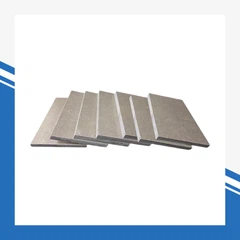
Diamond Dotted Insulation Paper, commonly abbreviated as DDP, is a high-performance electrical insulation material widely used in the power equipment industry, also known as insulation DDP. It is a specialized insulating paper with a unique diamond pattern on the surface, which is designed to enhance its insulation performance, mechanical strength and heat resistance, making it an indispensable core material in the manufacturing of transformers, motors, reactors and other electrical equipment.

The production and processing of insulation DDP involves a sophisticated, multi-step process, with strict quality control implemented at every stage-from raw paper selection to final packaging. In the raw paper selection phase, we adhere to stringent standards, exclusively utilizing imported long-fiber electrical-grade wood pulp sourced from frigid regions. This premium wood pulp boasts exceptional fiber strength, toughness, electrical insulation properties, and high-temperature resistance, serving as the cornerstone for the superior performance of our DDP products. Our dedicated raw paper inspection team conducts rigorous testing on the imported wood pulp, including fiber length, purity, moisture content, and electrical performance, ensuring only qualified raw materials proceed to the production line.
During the production and processing stage, Diamond Dotted Insulation Paper (DDP) undergoes a series of complex and precise manufacturing procedures. Firstly, the imported electrical-grade wood pulp is subjected to pulping, refining, and screening processes to remove impurities, guaranteeing the uniformity and fineness of the pulp. Subsequently, the pulp is formed into base paper with consistent thickness and a smooth surface through advanced papermaking technology. Next comes the critical diamond dotting process: using state-of-the-art mechanical equipment, uniformly sized and distributed diamond-shaped dots are embossed on the surface of the base paper. These diamond dots not only enhance friction between the insulation paper and the coil-preventing relative sliding during the winding process of electrical equipment-but also improve the paper's heat dissipation efficiency, effectively extending the service life of the equipment. Following dotting, the paper undergoes high-temperature drying, calendering, and other finishing processes to further enhance its density, flatness, and insulation performance, ensuring the final product meets or exceeds national insulation paper standards.
The production and processing of insulation DDP is a sophisticated process that requires strict control of every link, from raw paper selection to final packaging. In the raw paper selection stage, we adhere to high standards and exclusively adopt imported long-fiber frigid zone electrical grade wood pulp. This type of wood pulp has the characteristics of high fiber strength, good toughness, excellent electrical insulation and high temperature resistance, which lays a solid foundation for the high performance of DDP products. We have a professional raw paper inspection team that conducts strict tests on the fiber length, purity, moisture content and electrical performance of the imported wood pulp to ensure that only qualified raw materials enter the production link.
In the production and processing stage, Diamond Dotted Insulation Paper (DDP) undergoes a series of complex production procedures. First, the imported electrical grade wood pulp is subjected to pulping, refining and screening to remove impurities and ensure the uniformity and fineness of the pulp. Then, through the papermaking process, the pulp is formed into base paper with uniform thickness and smooth surface. After that, the key diamond dotting process is carried out: using advanced mechanical equipment, diamond-shaped dots with uniform size and distribution are pressed on the surface of the base paper. These diamond dots not only enhance the friction between the insulation paper and the coil, preventing relative sliding during the winding process of electrical equipment, but also improve the heat dissipation performance of the insulation paper, effectively extending the service life of the equipment. After dotting, the paper is subjected to high-temperature drying, calendering and other processes to further improve its density, flatness and insulation performance, ensuring that the product meets or exceeds the national insulation paper standard.
We have established long-term and in-depth cooperation with HongKong Nine dragon LeShan limited, the largest insulating paper mill in China. As their largest insulating paper purchaser, we have jointly developed a new standard insulation paper specially for DDP, which is higher than the national standard. This new standard insulation DDP has more excellent electrical insulation performance, mechanical strength and heat resistance, and can adapt to the increasingly high requirements of modern power equipment for insulation materials, filling the gap in high-end DDP products in the market.
In the packaging link, we pay equal attention to protection and convenience to ensure that the Diamond Dotted Insulation Paper (DDP) is not damaged during transportation and storage. Each roll of DDP is wrapped with moisture-proof, dust-proof and anti-collision packaging materials to prevent moisture absorption, pollution and mechanical damage. At the same time, we mark the product information (including thickness, specification, production date, batch number, etc.) clearly on the packaging, which is convenient for customers to check and use. For large-volume orders, we use standardized packaging boxes to facilitate loading, unloading and transportation, ensuring that the products can be delivered to customers in good condition.
All our efforts in raw material selection, production, processing and packaging are centered on export and maintaining strong competitiveness in the international market, as well as establishing long-term and stable cooperative relations with global customers. Our good reputation in the export market is accumulated through years of dedicated operation and unremitting pursuit of product quality. We have exported Diamond Dotted Insulation Paper (DDP) to many countries and regions around the world, and have won wide recognition and trust from overseas customers with high-quality products, professional services and competitive prices.
In the future, with the continuous development of the power equipment industry, the demand for high-performance insulation materials such as insulation DDP will continue to grow. We will continue to deepen cooperation with HongKong Nine dragon LeShan limited, increase investment in R&D, optimize the production process, improve product performance, and launch more high-quality, high-standard Diamond Dotted Insulation Paper (DDP) products to meet the changing market needs, and strive to maintain our leading position in the global DDP export market, and create more value for our customers and partners.
Frequently Asked Questions (FAQ) About Diamond Dotted Insulation Paper (DDP)
Q1: What is the main difference between Diamond Dotted Insulation Paper (DDP) and ordinary insulating paper?
A1: The core difference lies in the unique diamond dot pattern on the surface of DDP. Unlike ordinary flat insulating paper, the diamond dots embossed on DDP enhance friction between the paper and electrical coils, preventing relative sliding during equipment winding. Additionally, DDP is made of imported long-fiber frigid zone electrical-grade wood pulp and undergoes a more complex production process, resulting in better insulation performance, mechanical strength, and heat dissipation compared to ordinary insulating paper. It is specifically designed for high-demand power equipment scenarios.
Q2: How to choose the right thickness of DDP for different applications?
A2: The selection of DDP thickness depends on the insulation requirements, operating temperature, and winding tightness of the electrical equipment. For small-sized motors or low-voltage transformers with relatively low insulation requirements, 0.05mm-0.13mm DDP is usually suitable. For medium-voltage transformers and motors, 0.18mm-0.25mm DDP is recommended to ensure sufficient insulation and mechanical support. For high-voltage transformers, reactors, and other high-demand equipment, 0.38mm-0.50mm DDP is more appropriate, as it can withstand higher voltage and temperature, ensuring long-term stable operation.
Q3: Is your DDP compliant with international insulation standards?
A3: Yes. Our insulation DDP not only meets and exceeds China's national insulation paper standards but also complies with international mainstream standards such as IEC (International Electrotechnical Commission) and ANSI (American National Standards Institute). We have jointly developed a new DDP standard with HongKong Nine dragon LeShan limited, which is higher than the national standard, and all our products have passed strict quality testing to ensure they meet the insulation and safety requirements of global power equipment manufacturers.
Q4: What is the shelf life of DDP, and how should it be stored?
A4: Under proper storage conditions, the shelf life of our DDP is 2 years. It should be stored in a dry, ventilated, and clean warehouse, away from moisture, direct sunlight, high temperature (above 40℃), and corrosive substances. The packaged DDP should be placed on pallets to avoid direct contact with the ground, preventing moisture absorption and contamination. Once the packaging is opened, the DDP should be used within 3 months to ensure its insulation performance is not affected.
Q5: Can you provide customized DDP products according to customer requirements?
A5: Absolutely. We have a professional R&D and production team that can provide customized DDP solutions based on customers' specific needs, including customized thickness (within 0.05mm-0.50mm), diamond dot size and distribution, and packaging specifications. We can also adjust the product formula and production process according to the special insulation, temperature, or mechanical requirements of customers' equipment to meet their personalized application scenarios.