






G10 vs G11 Epoxy Insulation Board: Differences & Selection Guide
In the epoxy insulation board industry, G10 and G11 are two of the most widely used glass fiber reinforced epoxy laminates. Many buyers and engineers are confused about how to distinguish these two similar-looking boards and make a reasonable selection according to working conditions. In this article, Weshare clearly sorts out their material differences, performance gaps and application scenarios to help you make an accurate choice.

1. Basic Definition & Raw Material Difference
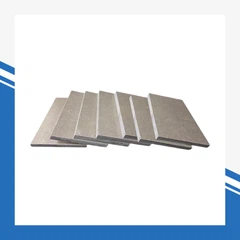
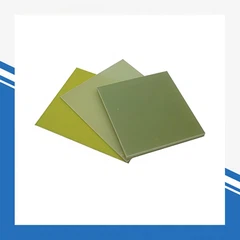
Both G10 and G11 are non-flame-retardant epoxy glass cloth laminates, manufactured by impregnating fiberglass cloth with epoxy resin under high temperature and high pressure molding.
G10: Made of standard general-purpose epoxy resin formula. It is a basic-grade insulation board with stable conventional performance and cost advantages.
G11: Optimized upgraded version of G10, adopting modified high-temperature resistant epoxy resin. The molecular structure is improved to enhance thermal stability and high-temperature mechanical retention.
2. Core Performance Differences
The essential gap between G10 and G11 lies in heat resistance, while other mechanical and insulating properties are relatively close. The detailed performance comparison is shown below:
|
Performance Parameter |
G10 Epoxy Board |
G11 Epoxy Board |
|---|---|---|
|
Continuous Working Temperature |
Max 130°C |
Max 155°C (F-class heat resistance) |
|
High-temperature Resistance |
Softens gradually above 130°C, decreased mechanical strength |
Excellent structural stability at 150-180°C, no obvious deformation |
|
Mechanical Properties |
Good tensile & bending strength at room temperature |
Similar room-temperature performance; better high-temperature mechanical retention |
|
Insulation & Dielectric Property |
Stable for conventional low and medium voltage equipment |
Higher dielectric strength, suitable for harsh electrical working conditions |
|
Moisture Resistance |
General level |
Improved moisture and chemical corrosion resistance |
|
Cost |
Economical & cost-effective |
Higher cost due to modified resin formula |
3. Application Scenarios
3.1 Application of G10
G10 is suitable for normal temperature and common working conditions. It is the preferred cost-effective material for conventional electrical insulation structures.
General electronic insulation components, electrical fixtures;
Low-voltage electrical cabinets, ordinary motor internal structural parts;
Mechanical processing jigs, marine and daily industrial insulating parts;
Working environment with stable temperature below 130°C.
3.2 Application of G11
G11 is designed for high-temperature and heavy-load harsh environments, widely used in high-end power equipment.
Power transformers, high-voltage reactors, power transmission equipment;
Industrial furnaces, high-temperature electrical control systems;
Equipment requiring long-term operation above 130°C;
Projects requiring high mechanical stability under sustained high temperature.
4. How to Choose Between G10 and G11?
Weshare summarizes simple and practical selection principles for industrial purchasers and engineers:
Choose G10: If your equipment runs at room temperature with low heat generation, requires conventional insulation performance, and has a strict procurement budget. It meets most standard industrial insulation demands with higher cost performance.
Choose G11: If the working environment is continuously high-temperature (over 130°C), or the equipment generates severe heat during operation. G11 avoids softening, deformation and insulation failure, ensuring long-term stable operation of high-end electrical equipment.
5. Conclusion
Essentially, G11 is the high-temperature upgraded version of G10. There is no absolute superiority between them-only suitability for different working conditions. Both boards feature eco-friendly raw materials, low shrinkage rate and excellent electrical insulation performance.
Weshare Tip: When purchasing epoxy insulation boards, confirm the maximum continuous operating temperature and equipment load first. Weshare provides customized cutting, processing and one-stop insulation material solutions to match your unique industrial application needs.