






Application & Operation of Calcined Mica Tape
The application of calcined mica tape requires careful operation and full concentration. The tape must be firmly secured and applied with smooth overlapping. Close attention to each step is essential. Selecting the appropriate tape and application method ensures efficient thermal insulation. To avoid defects, follow the steps below:
Store mica tape in a dry box to prevent moisture absorption.
Smooth or trim the edges to avoid weak points.
Tension the tape tightly and evenly to prevent cracks or gaps.
Verify compatibility between the tape and adhesive.
Perform regular inspections after application to maintain stable insulation and fire resistance.

Key Summary
Keep calcined mica tape in a dry environment to avoid water damage.
Overlap the tape by 50% or slightly more during wrapping to ensure a robust insulation layer and reduce fire risks.
After application, inspect for gaps, creases, or loose ends to guarantee effective insulation.
Choose the appropriate grade of mica tape and matching adhesive based on operational requirements.
Use fiberglass cloth for additional mechanical strength in high-voltage applications.
Fundamentals of Calcined Mica Tape
What is Calcined Mica?
Calcined mica is mica processed through high-temperature heat treatment, known as calcination. This process removes excess moisture and volatile impurities, resulting in a rigid, stable material that is flexible and resistant to cracking.
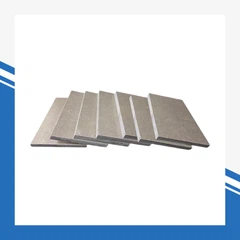
Calcined mica tape consists of thin calcined mica sheets bonded with an adhesive matrix. It is widely used for electrical insulation in motors, cables, and large industrial equipment. The tape conforms to complex shapes while maintaining high mechanical strength. It is also referred to as mica glass tape, cable mica tape, or glass mica tape.
Key Fire-Rated Performance
Calcined mica tape is inherently non-flammable and retains its shape and strength even under fire conditions.
| Material | Fire Rating |
|---|---|
| Calcined Mica Tape | UL 94 V‑0 (Class A) |
| ST‑SG Mica Tape | Higher fire rating |
| ST‑MP Mica Tape | Varies by film type |
It is widely applied in winding insulation for dry-type high-voltage motors and generators, performing reliably under surge currents and sparks. It meets stringent safety standards including UL 1441, RoHS, and IMO FTP Code, making it suitable for use in buildings, marine applications, and nuclear power plants.
Thermal Stability & Insulation Properties
Calcined mica tape maintains performance at extremely high temperatures and withstands repeated thermal cycling without losing electrical strength or flexibility.
| Property | Specification |
|---|---|
| Thermal Stability | Functional up to 950°C |
| Thermal Shock Resistance | Superior to conventional mica products |
| Compliance | IEC 60371, ASTM D352, UL 1441 |
The material does not decompose at high temperatures, providing reliable protection for wires. It is used in cables, high-temperature furnaces, and aerospace components. Its uniform thickness allows easy wrapping around irregular surfaces. As a safe, non-toxic, non-flammable, and long‑lasting material, it is the preferred choice for high‑performance electrical insulation.
Preparation & Material Selection
Surface Preparation
Effective insulation starts with a clean surface. Before applying mica tape:
Remove dust, oil, and old insulation layers.
Wipe loose contaminants with a dry cloth; use mild solvents for stubborn residues.
Ensure the surface is completely dry before application.
Sand sharp edges smooth to improve adhesion and prevent tearing.Thorough inspection helps identify and resolve defects early.
Selecting Mica Tape & Adhesive
Choosing the correct mica tape is critical for reliable insulation. Binder content directly affects durability and processability, especially for medium‑voltage coils and vacuum pressure impregnation (VPI).
Calcined muscovite mica is ideal for resin‑rich tapes due to its fine flake structure, which reduces clogging risks.
| Product No. | Recommended Use | Binder Type | Binder Content (by weight) |
|---|---|---|---|
| 11324 | Motor Coils & Windings | Epoxy Resin | 27–33% |
| 11863 | Motor Coils & Windings | Epoxy Resin | 38–44% |
| 12025 | Motor Coils & Windings | Epoxy Resin | 30–35% |
Epoxy binders are widely used for their high strength and stability.
Reinforcement with Fiberglass Cloth
Fiberglass cloth provides additional mechanical support for mica tape. Placed above or below the tape, it improves tensile strength, stabilizes the tape during wrapping, and prevents stretching or tearing. It is recommended for high‑stress applications such as high‑voltage cables and motor windings.
Note: Always store mica tape in a dry environment to preserve performance.
Effective Application of Mica Tape
Anchoring & Starting the Wrap
Begin on a clean, dry surface.
Secure the starting end of the mica tape firmly onto the cable or coil.
Fix the tape in place with a small tab to prevent shifting.
Start wrapping slowly and evenly, ensuring the tape remains straight.
The first layer should cover the anchor point to establish a tight base.
Tip: Check for twisted tape before wrapping, as twists create weak points in insulation.
Full‑Coverage Overlap Technique
Overlapping is critical for reliable insulation. Each layer should overlap the previous one by 50%–60%. This ensures complete coverage and eliminates gaps that reduce dielectric strength.
Guide the tape roll evenly by hand, maintaining consistent tension-not too tight or too loose. Proper overlapping blocks heat and flame penetration and preserves fire resistance and dielectric performance.
Avoiding Wrinkles & Voids
Wrinkles and air pockets reduce thermal resistance and can lead to insulation failure. Use the following controls:
| Technique | Description |
|---|---|
| Tension Control | Maintain stable tension of 2–4 N during wrapping. |
| Seam Roller | Smooth the tape immediately after application to eliminate air gaps. |
| Pressure Rollers | Apply uniform pressure to ensure full contact. |
| Inspection | Inspect with a 10x magnifier during winding. |
| Thermal Imaging | Detect hidden voids during low‑current testing. |
If wrinkles appear, stop and correct them immediately using a seam roller to maintain dielectric strength and fire performance.
Post‑Application Inspection
After wrapping, inspect the mica tape for gaps, wrinkles, or loose edges. Use magnification to detect small defects. Test dielectric strength with low‑voltage insulation testing. Thermal imaging can identify hidden air pockets.
Ensure full coverage of all surfaces for improved safety and service life.
Safety Note: Wear gloves and safety goggles when handling mica tape and glass mica tape.
Common Errors & Troubleshooting
Tension & Coverage Issues
Excessively loose wrapping causes gaps and reduced heat resistance.
Excessively tight tension leads to tearing or wrinkling.
Uneven tension results in poor coverage.
Insufficient overlap leaves exposed areas; excessive overlap wastes material and causes bulkiness.
Tip: Use a small tension meter to maintain consistent tape tension.
Fire Resistance Issues
Poor fire performance may result from:
Incorrect tape grade or insufficient binder content.
Incomplete coverage allowing heat transfer.
Non‑compliance with fire safety standards.
Always verify the fire rating on product labels and ensure the tape is designed for high‑temperature insulation. Test after installation to confirm thermal barrier performance.
| Problem | Cause | Solution |
|---|---|---|
| Tape burns in fire | Wrong tape or insufficient adhesive | Use specified fire‑rated mica tape |
| Heat penetration | Inadequate overlap or gaps | Rewrap with full overlapping coverage |
| Low insulation resistance | Damaged tape or loose ends | Replace tape and retest |
Quick Fixes for Application Defects
Wrinkles: Stop and smooth immediately using a seam roller.
Voids/bubbles: Press firmly with a roller to eliminate air.
Gaps: Apply an additional layer of mica tape for full coverage.
Thorough final inspection ensures robust, fire‑safe insulation.
FAQs
What is the main advantage of calcined mica tape in fire‑resistant cables?
Calcined mica tape maintains cable functionality during fires by blocking heat and isolating flames, safeguarding electrical systems and ensuring operational safety.
How do I check the temperature rating of mica tape before use?
Refer to the product label or technical datasheet for the rated maximum operating temperature. Select the appropriate grade for your application.
Does glass mica tape insulation prevent short circuits?
Yes. Glass mica tape forms a rigid barrier around conductors, preventing current leakage and reducing the risk of short circuits.
Where are fire‑resistant power cables with mica tape most commonly used?
They are widely used in hospitals, industrial facilities, and marine vessels, where continuous power supply during fire events is critical for protecting personnel and equipment.
What should I do if gaps are found after wrapping with mica tape?
Apply additional mica tape to cover all exposed areas completely to restore insulation and protect against high temperatures.