







Products Description
High-Current Copper Conductors for Transformers and Electrical Equipment
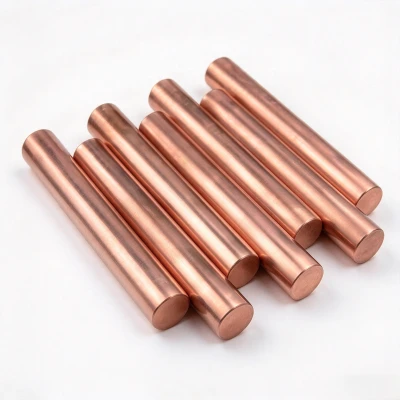
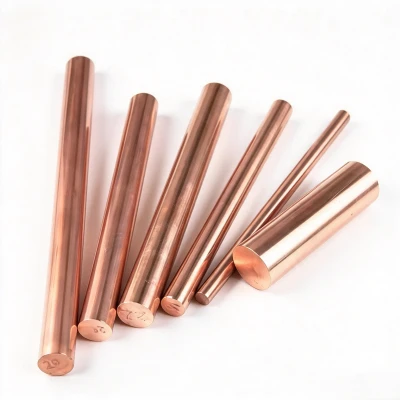
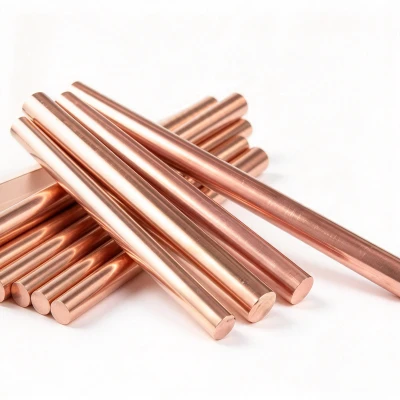
Conductive copper rods are solid copper conductors engineered to carry large electrical currents with minimal loss. In transformers they are machined into lead rods and conductive stems; across electrical engineering they are used for switch contacts, HV/LV apparatus and power distribution equipment; and in heavy industry they serve electrolytic smelting, electroplating and chlor-alkali (caustic soda) plants, where extremely high currents must pass through the conductor.
Because the cost of a poor conductor shows up as heat and power loss, these rods are specified for one thing above all - consistent electrical conductivity in a dense, defect-free section.
Why Our Conductive Copper Rods
High electrical conductivity - verified on every batch by resistivity test in accordance with GB/T 3048.2
Dense, uniform structure - copper ingots conforming to GB/T 486-97 are water-sealed extruded to billet, giving material free from shrinkage cavities, porosity, laminations and inclusions
Two tempers for two jobs - soft extruded rod in coils for forming and bending; hard drawn rod in straight lengths for machined parts
Tight dimensional tolerances - controlled diameter and roundness for reliable subsequent machining
Wide size range - standard production from 8 mm to 65 mm, with larger sizes and custom special profiles on request
Production Standard
| Product | Temper | Symbol | Condition | Supply form |
|---|---|---|---|---|
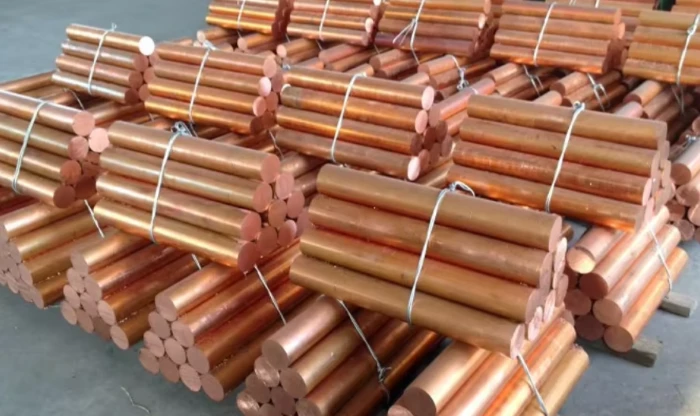
| Extruded copper bar | Soft | TR | Annealed | Coils |
| Drawn copper bar | Hard | TY | Hard-drawn | Straight lengths |
Choose soft extruded rod where the conductor will be bent or formed after supply, and hard drawn rod where the part is machined to final shape and needs to hold its geometry.
imensions & Tolerance
| Nominal diameter / across-flats (mm) | Permissible tolerance, ± |
|---|---|
| 12 – 18 | 0.3 mm |
| > 18 – 90 | 2 % |
Standard production diameter: 8 – 65 mm
Sizes outside this range: contact us
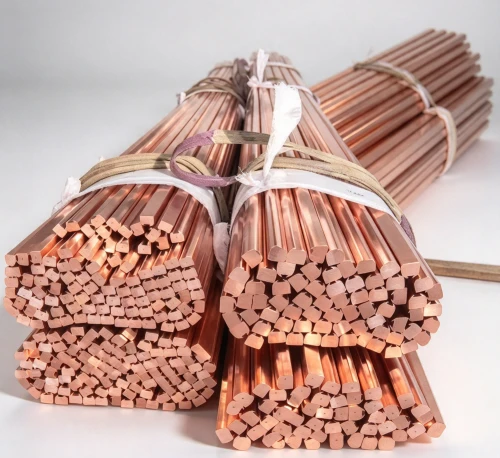
Custom special (non-round) profiles available on request
Material & Conductivity
The rod is produced from copper ingot conforming to GB/T 486-97, water-sealed extruded to billet. The material is required to be dense and uniform, and free from shrinkage, porosity, lamination and inclusions.
| Item | Requirement | Test method |
|---|---|---|
| Material | Copper ingot per GB/T 486-97, water-sealed extrusion billet; dense, uniform, free from shrinkage / porosity / lamination / inclusions | GB/T 8121.1, YB 732-71, or non-destructive testing |
| Conductivity | Grade-dependent - quoted as DC resistivity at 20 °C (Ω·mm²/m) and as % IACS | GB/T 3048.2 |
Reference values (typical, to be confirmed per grade): electrical copper of T2 grade runs at approximately 0.0172 – 0.0175 Ω·mm²/m at 20 °C, i.e. about 98 – 100 % IACS (soft temper at the higher end). Confirm the exact figure against the mill test certificate for your grade.
Applications and Use Cases
Conductive copper rods for transformer leads and conductive stems
Machined into transformer lead rods and conductive stems, the rod carries current from the winding to the bushings and terminals - the application that gives this product its transformer-grade role.
01
Copper rods for HV/LV switchgear and switch contacts
Used in HV and LV electrical apparatus and switch contacts, where high conductivity and a stable contact section keep resistance and heating low.
02
Copper rods for power distribution equipment
In power distribution equipment and busbars, conductive copper rod delivers current with minimal voltage drop.
03
Copper rods for electrolytic smelting, electroplating and chlor-alkali plants
In metal smelting, electroplating and chlor-alkali (caustic soda) plants, the rod carries the ultra-high currents of electrolytic processes, where a dense, consistent conductor is essential.
04
Large-diameter and custom-profile copper rods
For large-current conductors up to 65 mm and non-round profiles, we supply special shapes to drawing
05
Application pictures
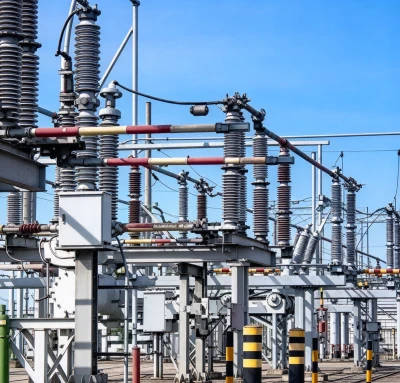
Power

Car

Ship

Machanical
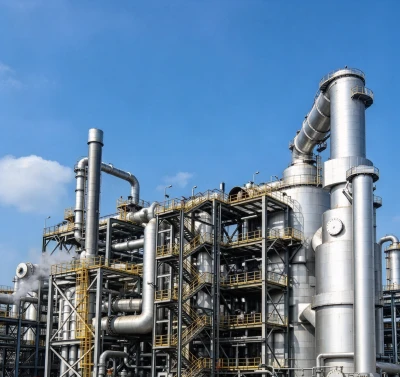
Chemical

Architectural
Custom Profiles & Cut-to-Length
Beyond standard round rod, we supply special (non-round) profiles to customer requirement. Send your drawing and specify:
Profile - round or special shape
Diameter / across-flats and tolerance
Temper - soft (TR) or hard (TY)
Supply form - coil or straight lengths
Length and quantity
Grade / conductivity requirement - so the mill test certificate matches your design
Quality Control & Testing
Material verification - copper ingot per GB/T 486-97, water-sealed extrusion billet
Defect control - inspected for shrinkage, porosity, lamination and inclusions (GB/T 8121.1, YB 732-71, or non-destructive testing)
Conductivity test - resistivity measured in accordance with GB/T 3048.2 and reported as % IACS
Dimensional check - diameter / across-flats to the tolerance table
Batch traceability - records retained for repeat orders
certificate

FAQ
What are conductive copper rods used for in transformers?
They are machined into transformer lead rods and conductive stems that carry current from the winding to the bushings and terminals, and are also used for switch contacts and power distribution conductors.
Soft (TR) or hard (TY) copper rod - which do I need?
Choose soft extruded rod supplied in coils when the conductor will be bent or formed. Choose hard drawn rod in straight lengths when the part is machined to final shape and must hold its dimensions.
What is the conductivity of your copper rod?
Conductivity is measured to GB/T 3048.2 and quoted as % IACS. Electrical copper is typically around 98 – 100 % IACS (≈ 0.0172 – 0.0175 Ω·mm²/m at 20 °C); confirm the exact value for your grade on the mill test certificate.
What sizes can you supply?
Standard production is 8 – 65 mm diameter; the tolerance specification covers nominal diameters of 12 – 90 mm. Larger sizes and non-round special profiles are available on request.
Can you supply custom (special-profile) copper rod?
Yes. We supply special non-round profiles to drawing, in your chosen temper, diameter and supply form.
Do you supply test certificates? Yes - conductivity, material and dimensional records are provided with the batch. Additional test reports are available on request.
Hot Tags: conductive copper rods for transformers, China conductive copper rods for transformers suppliers