










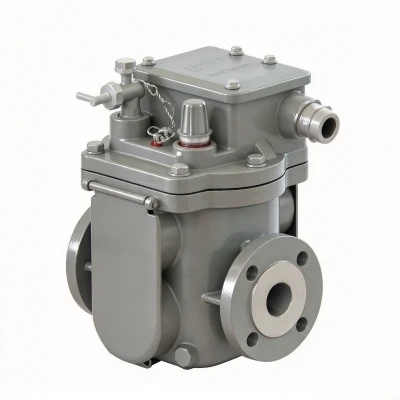
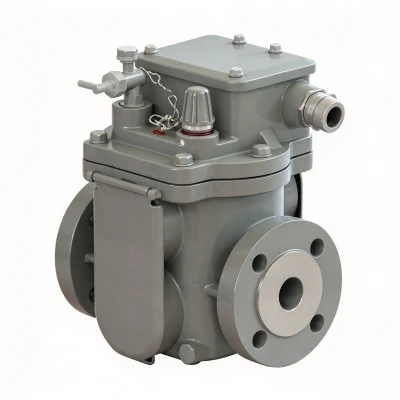
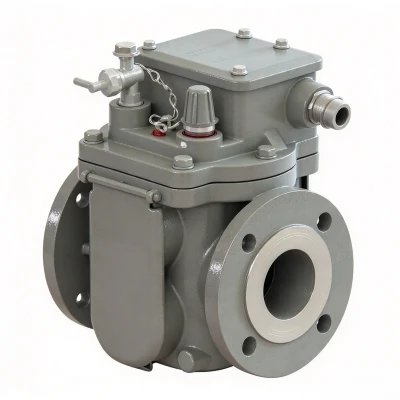
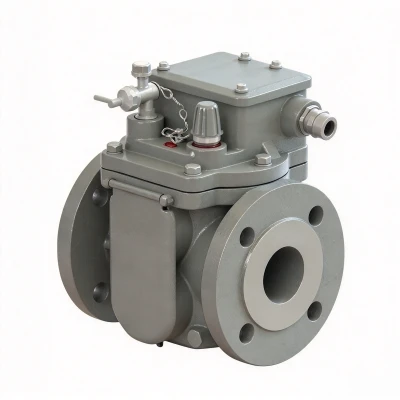
Products Description
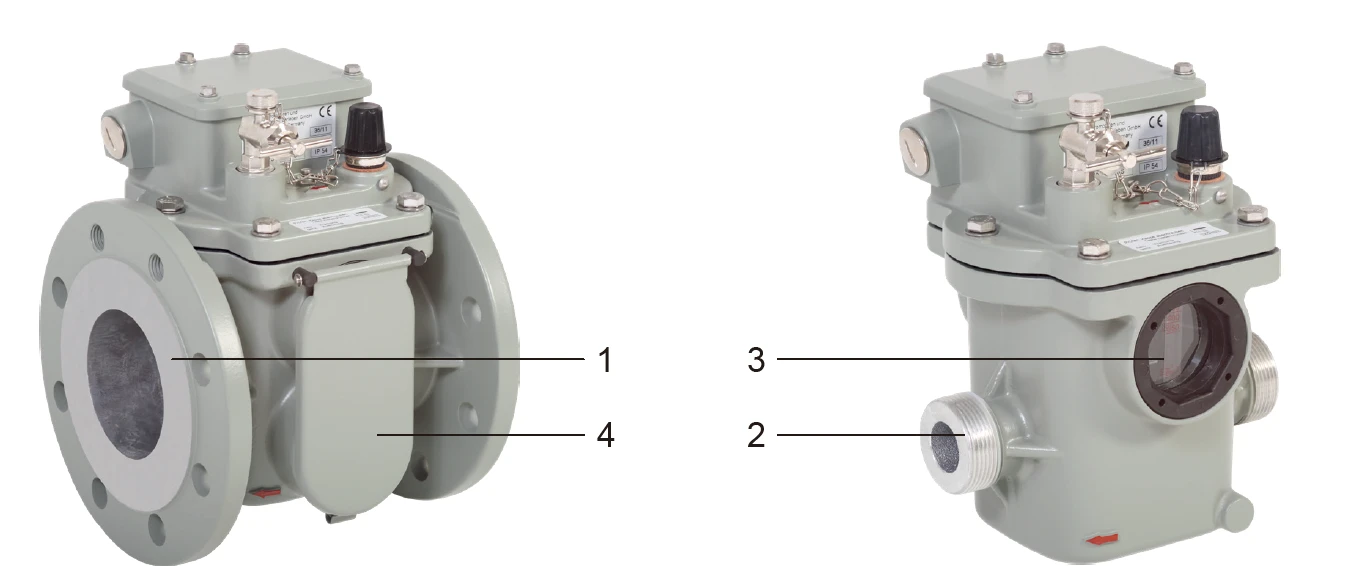
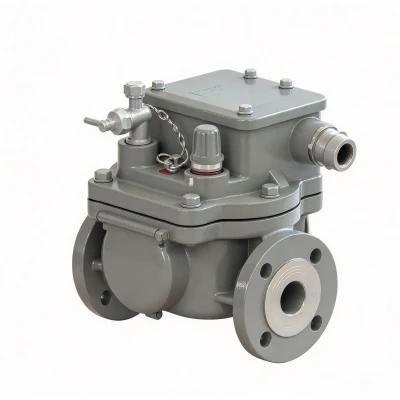
The Gas Relay is a high-performance protective device designed for liquid-immersed transformers, reactors, and oil-filled compartments. Serving as an essential safety barrier, it is engineered to monitor the internal condition of oil-filled electrical equipment continuously and reliably.
Built in strict compliance with international standards such as EN 50216-2 and IEC 60076-22-1, the gas relay responds instantly to internal anomalies-such as gas generation, loss of insulating liquid, and rapid oil surges-triggering alarms or tripping circuit breakers to prevent catastrophic equipment failure.
Working Principle
Installed in the pipeline connecting the transformer main tank and the conservator, the gas relay utilizes precision float and baffle mechanisms:
Gas Accumulation (Alarm): When minor, non-dissolved gases form inside the transformer, they travel upward, accumulate inside the relay housing, and displace the liquid level, causing the upper float to tilt and trigger a magnetic reed contact for an early warning signal.
Loss of Liquid (Alarm & Trip): If insulating liquid gradually leaks or drops, both upper and successive lower floats descend sequentially to signal warnings and initiate system shutdown.
Rapid Oil Surge (Trip): In the event of a severe internal short-circuit creating a pressure wave, high-speed oil surges strike an internal baffle plate, instantly closing the tripping contacts to isolate the transformer.
Key Features & Benefits
Industry-Standard Design: Proven mechanics based on classic Buchholz principles, widely adopted across global power transmission and distribution networks.
High-Precision Switching System: Equipped with reliable magnetic reed switches, offering flexible configurations of normally open (NO), normally closed (NC), or changeover contacts.
Rugged Construction: Weather-resistant cast aluminum housing coated with high-grade, corrosion-resistant polyurethane paint, providing a robust IP56 standard protection rating (IP66/67 optional).
Versatile Range of Models: Available in single-float and double-float configurations, supporting various pipe connections and international flange standards (DIN, ANSI, GB, etc.).
Smart Monitoring Options (Optional): Supports integrated gas volume sensors, temperature sensors (Pt1000), and digital communication modules for continuous transformer health monitoring.
Technical Specifications
| Parameter | Technical Value / Description |
| Voltage Range | AC / DC 5V up to max. 250V |
| Current Range | AC / DC 0.01A up to max. 6A ($\cos\varphi > 0.5, L/R < 40\text{ms}$) |
| Max. Breaking Capacity | AC max. 1500VA, DC max. 1250W |
| Dielectric Strength | 2500V AC (between circuits and earth) |
| Operating Temperature | Insulating liquid temperature: $-40^\circ\text{C}$ to $+115^\circ\text{C}$ (special types available up to $+135^\circ\text{C}$) |
| Pressure Resistance | 0.25 MPa |
| Vacuum Resistance | $< 2.5\text{ kPa}$ |
| Degree of Protection | IP56 (Standard, customizable to IP66 / IP67) |
| Governing Standards | EN 50216-2, IEC 60076-22-1 |
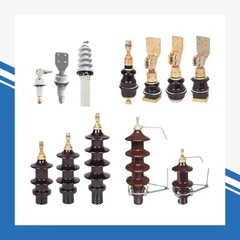
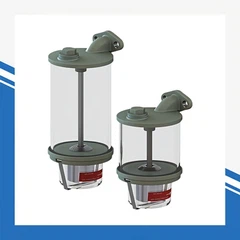
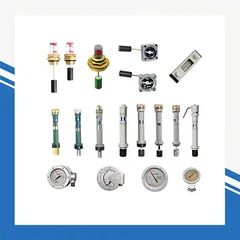
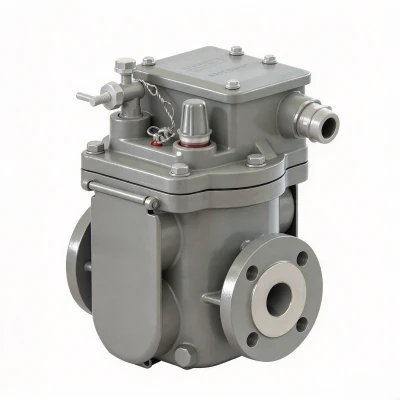
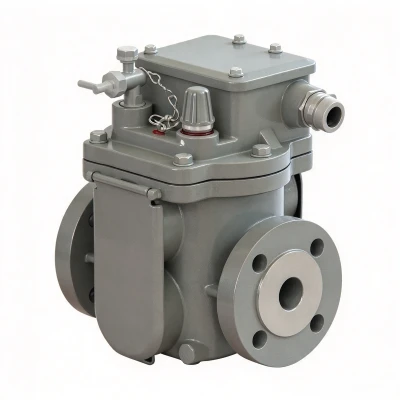
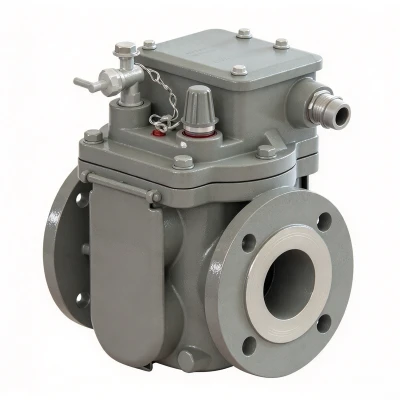
Our Product display
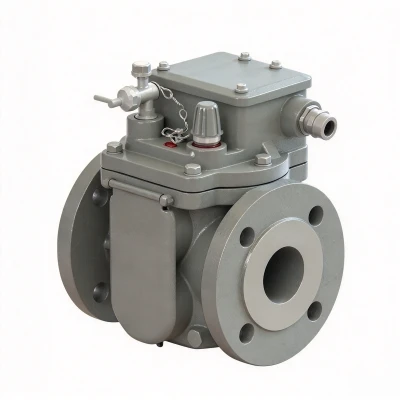
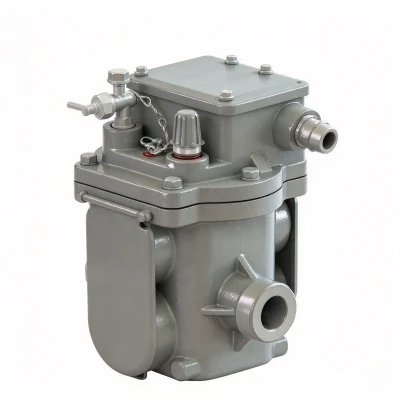
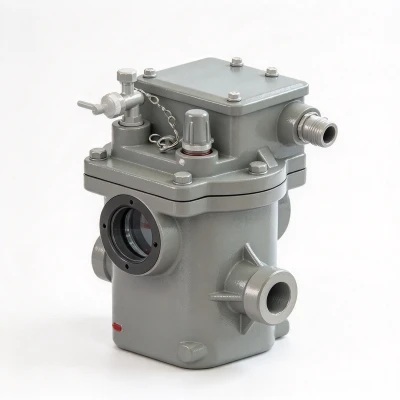
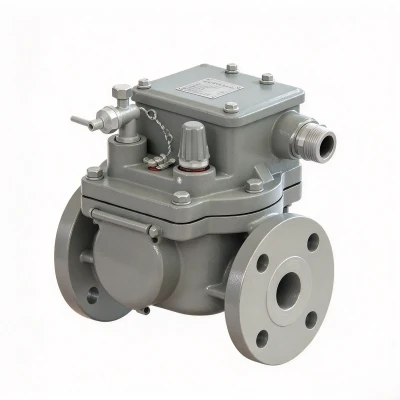
Applications
Liquid-immersed power and distribution transformers with conservators
Grounding reactors
Independent monitoring compartments for oil-filled bushings and cable junction boxes
Specialized railway rolling stock power units and industrial transformers
certificate

How to Select the Right Gas Relay
Nominal Pipe Size & Flange Connection Standard
Nominal Diameter (DN): Match the relay size to the internal diameter of the connecting pipe between the transformer main tank and the conservator (common sizes include DN25, DN50, and DN80).
Flange Standard: Ensure the bolt hole spacing and flange pattern match your system specifications (e.g., DIN standards, ANSI/ASME, GB, or BS standards).
Float & Contact Configuration
Single-Float Relays: Typically used for simple or single-stage applications where only basic monitoring is required.
Double-Float Relays (Industry Standard): Features an upper float for minor gas accumulation (alarms) and a lower float for rapid oil surges or severe oil loss (tripping the circuit breaker).
Switch Contacts: Choose appropriate electrical contact types (Normally Open [NO], Normally Closed [NC], or Changeover contacts) and verify their breaking capacity against your control circuit requirements.
Environmental Protection & Temperature Ratings
IP Protection Rating: Standard outdoor installations require at least IP56 protection. For extreme high-humidity, heavy rainfall, or coastal saline environments, consider upgrading to IP66 or IP67.
Advanced / Smart Monitoring Options
For digital substations or smart grid upgrades, select advanced relays equipped with integrated gas volume sensors, Pt1000 temperature sensors, or digital communication interfaces (RS-485 / Modbus protocol) for continuous remote tracking.
FAQ
Q: What is the main function of a gas relay in a transformer?
A: A gas relay acts as an essential safety and protection device for liquid-immersed transformers and reactors. It monitors the internal condition of the transformer by detecting the accumulation of slow-forming gases (minor faults) or rapid surges of insulating liquid (severe internal faults like short circuits), triggering alarms or tripping the circuit breaker to prevent catastrophic damage.
Q: What is the difference between single-float and double-float gas relays?
A: Single-float relays typically feature only one float mechanism, used for basic single-stage monitoring or alarm functions. Double-float relays (the industry standard) feature two floats: the upper float responds to gas accumulation to trigger an alarm, and the lower float responds to rapid oil surges or severe oil loss to trip the power system, providing comprehensive dual-stage protection.
Q: Can the gas relay be installed in any direction?
A: No. The relay must be installed strictly in accordance with the oil flow direction arrow marked on its housing-ensuring oil flows from the transformer main tank toward the conservator. Additionally, the connecting pipe and the relay should maintain a slight upward slope (1% to 4%) so that internal gases can rise naturally into the relay chamber.
Q: What should I do if gas is observed in the relay viewing window during routine inspection?
A: If gas is visible through the inspection window, it indicates a potential internal anomaly (such as overheating, partial discharge, or insulation breakdown). You should immediately collect a gas sample using the top valve and send it for a Dissolved Gas Analysis (DGA) laboratory test to accurately diagnose the internal health of the transformer.
Q: How do I test the relay to ensure it works properly before commissioning?
A: Each standard gas relay is equipped with a mechanical test button (or test valve). During commissioning or scheduled maintenance, you can actuate the test button or use a specialized test pump to simulate gas accumulation and oil surge conditions. This verifies that the electrical contacts, wiring, and alarm/trip circuits are functioning correctly without needing to dismantle the unit.
Q: What parameters do I need to provide when selecting or ordering a gas relay?
A: To ensure a precise match for your system, you should provide: Nominal Pipe Diameter (DN): (e.g., DN25, DN50, DN80) matching your connecting pipe size. Flange Connection Standard: (e.g., DIN, ANSI, GB, or BS standard) for bolt-hole compatibility. Electrical Contact Requirements: Voltage/current ratings and contact types (NO/NC). Environmental Conditions: Operating temperature range and required IP protection rating (e.g., IP56 or IP66).
Hot Tags: gas relay for liquid-immersed transformers, China gas relay for liquid-immersed transformers suppliers, transformer combiners, transformer decoders, transformer filters, transformer internet of things accessories, transformer rectifiers, transformer shipping