


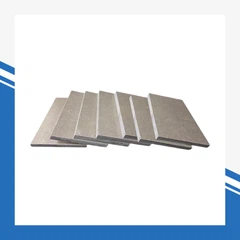


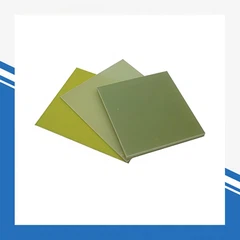


NHN insulating paper is a flexible composite insulating material composed of a layer of polyimide film in the middle and Nomex1 paper (DuPont paper in the United States) on both sides, with a heat resistance grade of H (180 °C), and has good mechanical properties and insulation properties.
What are the main aspects that affect the performance of NHN insulating paper?


1. Flame resistance: refers to the ability of NHN insulating paper to resist combustion when it comes into contact with the flame or to prevent continued combustion when leaving the flame. With the increasing application of insulating materials, the requirements for their combustion resistance are more important, and people have improved and improved the combustion resistance of insulating materials through various means. The higher the flammability, the safer it is.
2. Tensile strength: It is the maximum tensile stress of the specimen in the tensile test. It is the most widely used and representative test for the mechanical properties of NHN insulating paper.
3. Arc resistance: the ability of NHN insulating paper to withstand arc action along its surface under specified test conditions. In the test, the arc resistance of NHN insulating paper is judged by the time required for the formation of a conductive layer on the surface of NHN insulating paper by the arc action generated by high voltage between two electrodes. The larger the time value, the better the arc resistance.
4. Sealing: It is better to seal and isolate oil quality and water quality. Tensile strength and edge tear resistance as well as good electrical strength. Its smooth surface ensures trouble-free when producing low-voltage motors using automatic offline machines is mainly used for inter-slot, slot cover, and interphase insulation of high-heat resistant motors, in addition to interlayer insulation of transformers or other electrical appliances.