


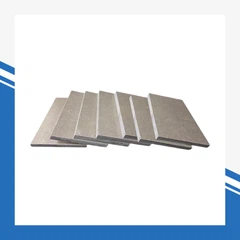



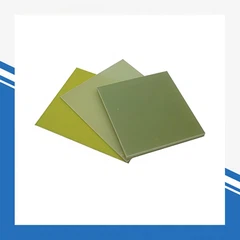


As an important material in the field of electrical engineering, insulating cardboard plays a key role in a variety of applications. Its insulation performance is directly related to the safe and reliable operation of electrical equipment. In this article, we will take an in-depth look at the production process of insulated cardboard, focusing on the key steps and technologies


Preparation of raw materials: The preparation of insulating cardboard begins with the selection and preparation of raw materials. Usually, high-quality insulating cardboard uses natural cellulose pulp as the main raw material. At this stage, raw materials need to be screened, washed, bleached, etc., to ensure the quality of the final product.
Preparation of pulp: The raw material is made into a uniform and delicate pulp through the process of mixing, grinding, and heating. The quality and uniformity of the pulp are critical to the performance of insulating paperboard, so the process parameters need to be tightly controlled at this stage.
Wet forming: Wet forming is a key part of the preparation of insulating cardboard. Continuous insulating cardboard is formed by evenly coating the pulp on a continuously moving strip substrate. In this process, the coating amount, speed, and temperature need to be precisely controlled to ensure uniform molding and thickness consistency.
Drying and curing: After wet molding, the insulating cardboard needs to be dried and cured. The purpose of this step is to remove moisture and enhance the mechanical strength and stability of the insulating cardboard. Temperature and time control during the drying process are essential to avoid internal stresses and deformations.
Coating and coating: Some insulating paperboard requires additional coating and coating treatments to improve its surface properties, abrasion resistance, and chemical resistance. This step needs to be carried out under strict process conditions to ensure the adhesion and uniformity of the coating.
Cutting and finishing: Finally, insulated cardboard needs to be cut and sorted according to specific sizes and requirements. This step not only involves customizing the size and shape of the insulating cardboard but also requires final inspection and adjustment of the appearance and quality of the final product.
Conclusion: With an in-depth understanding of the insulating cardboard production process, we can better understand the preparation process of this critical material. Throughout the production process, precise process control and strict quality management are the keys to ensuring excellent performance of insulated paperboard. The continuous optimization of this professional process will help to improve the application effect of insulating cardboard in electrical engineering and ensure the safe and reliable operation of electrical equipment